

Today: 9:00AM - 8:00PM

Blog

All New Port Richey New Cars New Port Richey Kia Dealer Informational New Port Richey Kia Service Kia Seltos Kia EV9 Kia Sorento Kia Sportage Kia Telluride Ken Ganley Kia New Port Richey Service Kia Carnival Kia EV6 Kia Forte Credit Financing Kia Carnival MPV Kia K4 Kia Niro Hybrid Kia Soul Loans New Port Richey Used Cars New Specials Trim Levels
How to Charge Your Kia EV at Home: Tips & Best Practices
in Kia EV6

How to Charge Your Kia EV at Home: Tips & Best Practices

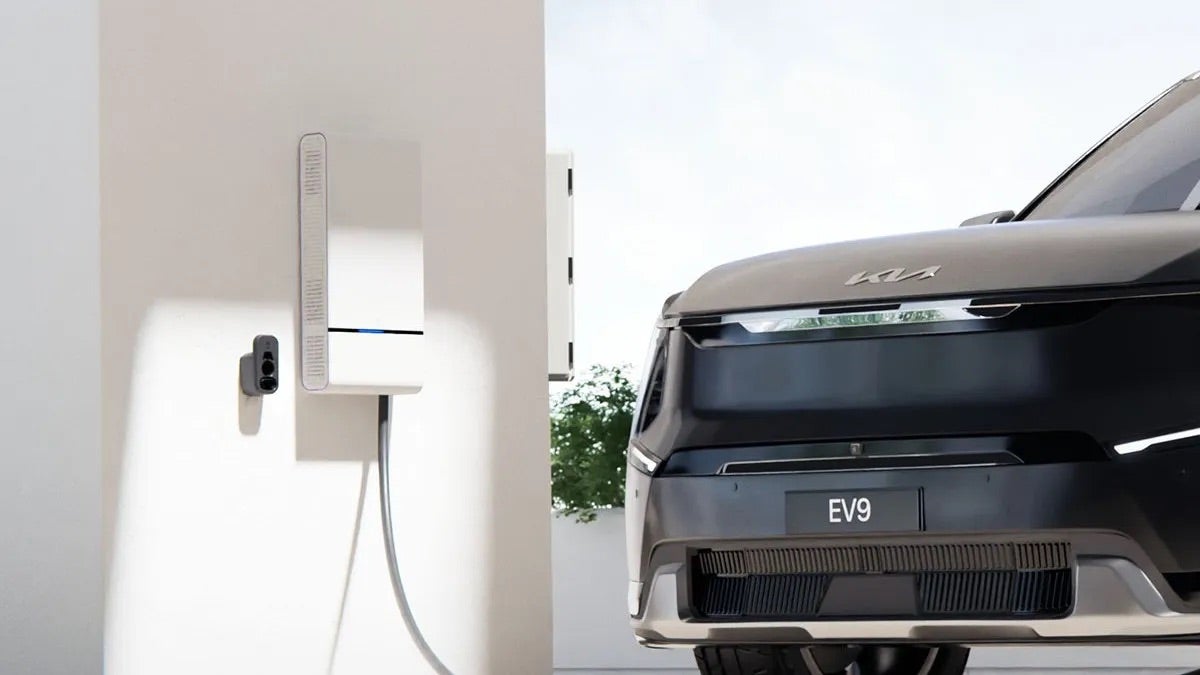
The best home charging setup for a Kia EV is a dedicated 240-volt Level 2 charging station installed on a 40-amp or 50-amp circuit. Connected through a hardwired terminal or a NEMA 14-50 outlet, Level 2 delivers up to 35 miles of range per hour, enabling complete overnight replenishments for long-range electric models. First-time electric vehicle shoppers at our showroom often ask whether a standard wall outlet is sufficient for daily driving before deciding if they need a 240-volt home installation. While every electric Kia is designed for versatile plug-in capability, equipping your garage with a dedicated Level 2 charger provides the ideal blend of speed, convenience, and daily peace of mind. Models such as the 2026 Kia EV6 come equipped with a standard dual-voltage charging cable that connects to both 120-volt and 240-volt power sources, allowing new owners to charge immediately while deciding on permanent equipment. Kia also offers official Level 2 home charging hardware available with either J1772 or NACS connectors, backed by a 3-year limited warranty. Installing a dedicated home station ensures your vehicle is always ready for the day ahead without relying on public infrastructure. If you want to view electric models in person or explore home charging accessories, stop by our showroom on US Highway 19 or give our team a quick call to learn more. What Is the Difference Between Level 1 and Level 2 Home Charging for a Kia EV? Level 1 home charging uses a standard 120-volt household AC outlet to add 3 to 5 miles of range per hour, whereas Level 2 charging utilizes 240-volt power to restore 25 to 35 miles of range per hour. Understanding the technical differences between these two power delivery methods helps buyers choose the right setup for their daily driving habits. Level 1 relies on the portable charging cable included with the vehicle, plugging directly into any grounded three-prong wall socket. Because standard household outlets supply continuous current at roughly 1.4 kW, power recovery is gradual. This trickle approach works fine when a vehicle sits parked for 12 or more hours, but it requires patience when recharging larger battery packs from a low state of charge. Level 2 charging elevates power delivery by tapping into a dedicated 240-volt circuit—similar to the heavy-duty outlets used by clothes dryers or electric ranges. Supplying between 7.6 kW and 11.5 kW of continuous power, a Level 2 station drastically reduces total charge time. Owners can set custom charging schedules directly through the vehicle's infotainment system or the Kia Access app to take advantage of lower off-peak electricity rates overnight. Choosing between charger types often comes down to daily mileage expectations; shoppers browsing our new Kia EV inventory can evaluate their driving routine with our team to determine whether a Level 1 cable fits their lifestyle or if a Level 2 station is worth the upgrade. Why Would a Kia EV Owner Rely Solely on Level 1 Charging or Upgrade to Level 2? A Kia EV owner relies solely on Level 1 charging because it requires no upfront electrical installation costs and easily recovers 30 to 40 miles of range during an overnight plug-in session. Upgrading to Level 2 becomes necessary when daily driving distances exceed 40 miles or when charging larger electric vehicles. For drivers with predictable routines, low daily mileage, or short trips like suburban driving around New Port Richey, Level 1 trickle charging provides all the energy needed without spending extra on electrical upgrades. Plugging into a standard 120-volt outlet for 10 to 12 hours overnight replenishes roughly 35 to 50 miles of driving range. If your commute is brief, the standard wall outlet handles your energy requirements effortlessly. However, daily range recovery demands change significantly with larger vehicles or longer travel schedules. Fully charging a three-row electric SUV like the Kia EV9 from near empty using a 120-volt outlet can take 60 to 70 hours due to its high-capacity battery pack. In those scenarios, upgrading to a 240-volt Level 2 charger transforms the ownership experience by fully restoring range in approximately 7 to 9 hours. Whether you are considering a brand-new crossover or exploring a selection of pre-owned electric vehicles, evaluating your daily mileage helps pinpoint the exact charging hardware you need. Is Level 2 Home Charging More Energy Efficient Than Level 1 Charging? Charging efficiency varies notably: Level 2 chargers typically convert 85% to 90% of power into battery charge, while Level 1 chargers convert only 75% to 80%. The efficiency advantage of Level 2 stems from reducing the operating duration of the vehicle's onboard electronics. When an electric vehicle is plugged in, its internal computer systems, cooling pumps, and battery thermal management controls remain active to monitor voltage and cell temperatures. During a Level 1 session, these auxiliary systems must draw power over a 30-to-50-hour window, consuming a larger proportion of total electricity just to keep the vehicle awake. Because Level 2 delivers power up to six times faster, the vehicle completes its charge cycle in a fraction of the time, allowing cooling systems and onboard computers to enter sleep mode much sooner. In warm climates where sustained summer heat forces active thermal conditioning during charging, Level 2 minimizes heat buildup and energy loss. Investing in home charging equipment is a seamless process, and buyers can complete an online credit application to include home charger accessory costs directly into their purchase financing. What Is the Best Daily Home-Charging Routine for a Kia EV? The best daily home-charging routine for a Kia EV is setting the maximum charge limit to 80% for routine driving and plugging in overnight during off-peak utility hours. Maintaining a target charge level of 80% preserves lithium-ion battery chemistry by preventing the high voltage stress that occurs when cells remain fully saturated. Reserving a 100% state of charge for occasional long-distance travel—such as commuters traveling from Trinity along the Suncoast Parkway for trips toward Tampa—strikes the perfect balance between daily battery health and maximum highway range. Establishing a consistent plug-in habit also allows owners to utilize grid pre-conditioning features. By scheduling departure times through the vehicle settings, the electric powertrain uses grid electricity rather than battery reserve to heat or cool the cabin before you set off. This practice optimizes driving efficiency and preserves maximum battery range for your drive. Every new electric Kia is backed by Kia’s 10-year/100,000-mile warranty, giving owners long-term confidence in their vehicle's powertrain and high-voltage battery system. Is It Safe to Leave a Kia EV Plugged In Overnight After Reaching the Charge Limit? It is completely safe to leave a Kia EV plugged in overnight because the vehicle's internal Battery Management System automatically terminates power intake once the designated charge limit is reached. Modern electric vehicles feature sophisticated onboard charge controllers that actively monitor cell voltage, current intake, and internal temperatures. Once the battery reaches your chosen threshold—whether set to 80% for daily driving or 100% for a weekend highway trip—the vehicle signals the charging station to stop supplying power. The charger then sits in a passive standby mode, drawing virtually no electricity until a scheduled climate pre-conditioning event occurs or the plug is disconnected. Leaving the vehicle connected overnight actually benefits overall battery health. While plugged in, the control system can perform passive cell balancing and utilize external grid power to run thermal management systems during extreme ambient temperatures. Combined with active safety technologies like lane assist and blind spot detection that protect you on the road, Kia’s high-voltage engineering ensures your vehicle remains protected while parked in your driveway. Common Questions About Kia EV Home Charging and Battery Health Q: How often should a Kia EV battery be charged to 100 percent? A Kia EV battery should be charged to 100% roughly once a month or immediately prior to heading out on an extended road trip. Routine monthly 100% charges help the Battery Management System calibrate individual cell voltages across the pack, ensuring accurate range estimates on your driver display. For daily driving, keeping the target limit at 80% is recommended to maximize long-term battery health and minimize chemical degradation. Q: Why does Kia EV home charging slow down after reaching 80 percent charge? Home charging speed slows down past 80% because the vehicle's onboard computer automatically tapers the incoming electrical current to protect internal cell chemistry. As lithium-ion cells approach full capacity, internal resistance increases and generates heat. Reducing charging power past 80% prevents thermal stress, prevents lithium plating on the battery anode, and extends the overall service life of the high-voltage battery pack. Q: Can you charge a Kia EV using a standard 120V household wall outlet? Yes, you can charge any Kia EV using a standard 120-volt household wall outlet via Level 1 charging. Using the portable dual-voltage charging cable supplied with models like the 2026 Kia EV6, the vehicle draws power from a standard grounded outlet to add 3 to 5 miles of range per hour. This method is ideal for drivers with shorter daily commutes who can leave their car plugged in overnight. Q: What safety features protect the EV battery while charging during hot Florida summers? Kia electric vehicles feature active liquid cooling systems that monitor battery cell temperatures continuously during charging sessions. If ambient temperatures rise or charging causes internal heat buildup, the thermal management system circulates coolant and operates active cooling fans to keep the battery within its optimal operating window. Charging in a shaded garage or during cooler overnight hours further enhances thermal efficiency during summer months. Q: Does charging overnight on Level 1 affect battery warranty coverage? No, charging overnight on Level 1 power has zero negative impact on your warranty coverage. Every new electric vehicle is covered by Kia’s 10-year/100,000-mile warranty program, which includes the high-voltage battery pack against major capacity loss and manufacturing defects regardless of whether you primarily charge via Level 1 or Level 2 AC power. To learn more about electric vehicle ownership, test-drive a new model, or discuss home charging accessories, visit our New Port Richey dealership location or call our specialists at (727) 242-9613 today. Prices and MSRP referenced in this article are estimates for informational purposes only and do not constitute an offer to sell. See dealer for complete details. Fuel economy estimates shown may differ from official EPA ratings and should not be relied upon as a guarantee of actual vehicle performance.
Read More
Driving from New Port Richey to Disney World: Which Kia SUV Is Best?

Driving from New Port Richey to Disney World: Which Kia SUV Is Best?

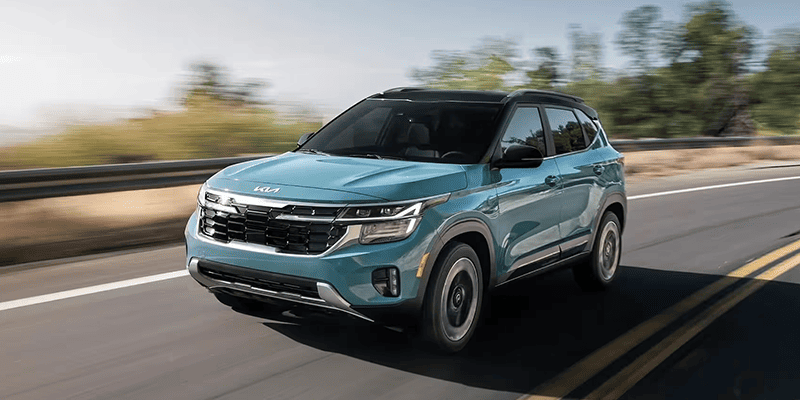
The 2027 Kia Telluride is the best overall Kia SUV for family road trips to Disney World, offering standard three-row seating for up to eight passengers, 22 cubic feet of rear cargo capacity, and up to 5,000 lbs of maximum towing capacity. Families prioritizing fuel efficiency can select the 2027 Kia Telluride Hybrid EX FWD, which achieves an EPA-estimated 34 mpg city / 36 mpg highway and up to 637 miles of total driving range on a single tank. When packing bags, strollers, and cooler bags for an Orlando vacation, cabin space and seating versatility determine how comfortable the journey will be. The 2027 Kia Telluride provides 22 cubic feet of storage behind the third row, expanding to 48 cubic feet when the back row is folded flat. For larger families, standard second-row bench seating accommodates eight people, while higher trims feature second-row captain's chairs that slide forward at the touch of a button. For families starting their road trip in New Port Richey, having a spacious three-row crossover ensures everyone stays comfortable along coastal highways and interstate corridors. The 2027 Kia Sorento offers a slightly more compact three-row alternative with seating for up to seven passengers and 13 cubic feet of cargo space behind the third row. Meanwhile, the 2027 Kia Sportage provides a two-row option with seating for five and 40 cubic feet of rear storage space, making it a great option for smaller households. Our team at Ken Ganley Kia New Port Richey helps local buyers compare interior dimensions, seat configurations, and technology options side by side. Families comparing three-row crossovers on our lot usually ask to try the second-row seat slide mechanism with a child seat installed before discussing pricing options. You can stop by our New Port Richey showroom address to tour the lineup or give our sales team a quick call to learn more about current vehicle availability. How Far Is the Drive from New Port Richey to Disney World and What Is the Best Route? The drive from Florida's Gulf Coast to Walt Disney World in Orlando covers approximately 95 to 105 miles and takes between 1 hour 45 minutes and 2 hours under normal traffic conditions. The most direct route follows State Road 54 East to Interstate 75 South, merging onto Interstate 4 East toward Orlando before taking Exit 64 onto World Drive directly into the theme park resort area. Depending on your starting neighborhood and real-time traffic updates, alternative routes offer smoother travel during peak rush hours. Drivers can travel east on State Road 52 to connect with Interstate 75, or utilize State Road 589 (Suncoast Parkway) to bypass local surface street congestion. Near Orlando, taking the Western Beltway (State Road 429) provides a less congested approach to the western entrances of the Walt Disney World property. Both the Suncoast Parkway and State Road 429 use electronic toll collection systems compatible with SunPass and Toll-by-Plate. Morning commuter traffic on Interstate 4 East typically peaks between 7:00 AM and 9:30 AM, while Friday afternoon travel into Orlando brings heavier congestion near major tourist exits. Planning departure times around these window periods helps ensure a steady, stress-free drive. Selecting a vehicle equipped with comfortable seating, dynamic cruise controls, and multi-zone climate settings makes long highway stretches much more enjoyable for every passenger. Shoppers can explore our selection of new Kia vehicles to find the latest crossover models, or browse our pre-owned SUV inventory for high-value family hauler options ready for the highway. Which Kia SUV Delivers the Best Fuel Economy and Range for Commutes? The 2027 Kia Telluride Hybrid EX FWD leads the three-row crossover class in highway efficiency, achieving an EPA-estimated 34 mpg city / 36 mpg highway / 35 mpg combined and an estimated driving range of up to 637 miles. For all-wheel-drive efficiency, the 2027 Kia Telluride Hybrid AWD delivers an EPA-estimated 30 mpg city / 32 mpg highway / 31 mpg combined, making it an ideal choice for drivers wanting all-weather traction without sacrificing range. Among non-hybrid two-row models, the 2027 Kia Sportage FWD delivers an EPA-estimated 25 mpg city / 33 mpg highway, providing up to 462 miles of highway range from its 17.2-gallon fuel tank capacity. Choosing the Sportage AWD configuration lowers highway efficiency slightly to an EPA-estimated 24 mpg city / 30 mpg highway, resulting in a estimated highway range of roughly 420 miles. For commuters driving from Trinity onto the Suncoast Parkway or heading east toward Orlando, hybrid efficiency eliminates the need for frequent fuel stops during busy travel weeks. Lower fuel consumption combined with long driving range reduces long-term ownership costs for active households. Our finance specialists can help you compare efficiency figures against vehicle purchase terms to find a model that fits your monthly budget. Buyers can submit an online credit application to review competitive loan options before visiting our dealership. What Driver-Assist Safety Features and Disney EV Charging Stations Are Available? Kia SUVs come standard with Kia Drive Wise driver-assist technology is designed to help reduce driver fatigue on long highway routes like Interstate 4. Standard systems include Blind-Spot Collision-Avoidance Assist, Lane Following Assist, and Rear Cross-Traffic Collision-Avoidance Assist. Upgrading to advanced trim levels adds Highway Driving Assist 2, which combines adaptive cruise control with automated lane-changing capabilities and steering wheel hands-on detection. Inside the cabin, driver and passenger comfort is enhanced by multi-zone automatic climate control, standard Apple CarPlay and Android Auto integration, and multiple device charging stations. The 2027 Kia Telluride equips up to seven USB-C charging ports—three in the front row, two in the second row, and two in the third row—along with dual front wireless charging pads on higher trim levels to keep smartphones powered during the entire trip. Families traveling to Central Florida in electric or plug-in hybrid vehicles will find convenient charging infrastructure throughout the Walt Disney World resort. Disney provides ChargePoint Level 2 EV charging stations at all four major theme park parking lots: Magic Kingdom Park (Medical Parking Lot) EPCOT (Journey Parking Lot) Disney's Hollywood Studios (Heel Parking Lot) Disney's Animal Kingdom Theme Park (Peacock Parking Lot) Additional ChargePoint charging stations are located at Disney Springs garages and select Disney Resort hotels, allowing EV drivers to recharge their vehicle batteries while enjoying the parks or resting overnight. Common Questions About Driving a Kia SUV to Disney World Q: How many USB ports are available for device charging in the Kia Telluride? Equipped with up to seven USB charging ports, the 2027 Kia Telluride ensures every passenger stays connected during the drive. Front passengers receive three USB ports, second-row occupants have access to two ports integrated into the front seatbacks, and third-row passengers receive two dedicated side-panel ports. Upper trims also feature dual rubberized wireless charging pads in the center console. Q: Does Kia’s 10-year/100,000-mile warranty cover roadside emergencies on road trips? Yes, Kia’s 10-year/100,000-mile warranty program includes a 5-year/60,000-mile roadside assistance plan that provides 24/7 emergency support anywhere in the United States. If you experience a flat tire, dead battery, or mechanical breakdown on the way to Orlando, you can access manufacturer-backed service by calling Kia Roadside Assistance: 1-800-333-4542 for towing to the nearest authorized dealership. Q: How much cargo space remains in the Kia Telluride when all seats are occupied? The 2027 Kia Telluride provides 22 cubic feet of cargo room behind the third-row seats, which easily holds several carry-on suitcases or a double stroller. Folding the third-row seatbacks increases storage volume to 48 cubic feet, while folding both rear rows opens up a maximum cargo capacity of 89 cubic feet. Q: Do I need a SunPass transponder when driving on Central Florida toll roads? Central Florida toll highways, including the Suncoast Parkway (SR-589) and Western Beltway (SR-429), use all-electronic toll collection systems. While Toll-by-Plate billing automatically invoices vehicle owners by mail using license plate images, using a SunPass or compatible transponder grants access to discounted toll rates and prevents delayed billing statements after your trip. Q: What documents should I bring to apply for auto financing at the dealership? When visiting our finance department to purchase a new or pre-owned Kia SUV, bring a valid driver's license, your most recent proof of income (such as pay stubs), proof of residency (a current utility bill), and your auto insurance card. Bringing complete documentation helps our underwriters process your application quickly and secure competitive financing terms. Start Your Disney Road Trip Journey at Ken Ganley Kia New Port Richey Finding the right SUV for your family road trip comes down to balancing passenger seating, cargo capacity, and long-distance fuel efficiency. Whether you need the three-row versatility of the 2027 Kia Telluride, the flexible efficiency of the 2027 Kia Sorento, or the two-row agility of the 2027 Kia Sportage, our lineup offers proven options for Florida drivers. As the #1 Volume Kia dealer in Tampa, Ken Ganley Kia New Port Richey maintains a wide inventory selection, giving you more trim levels, exterior colors, and package options to choose from. Every new Kia comes backed by Kia's 10-year/100,000-mile warranty powertrain protection, giving you long-term confidence on every vacation and daily drive. To test drive your preferred crossover model or discuss current purchase incentives, stop by our New Port Richey dealership location or call our sales department today to schedule your visit. Prices and MSRP referenced in this article are estimates for informational purposes only and do not constitute an offer to sell. See dealer for complete details. Fuel economy estimates shown may differ from official EPA ratings and should not be relied upon as a guarantee of actual vehicle performance.

Can You Get Approved for a Car Loan Without a Cosigner

Can You Get Approved for a Car Loan Without a Cosigner?

Qualifying for a car loan without a cosigner requires meeting an auto lender's independent standards for creditworthiness, debt-to-income ratio, employment stability, and down payment contribution. Auto lenders evaluate a solo application by analyzing credit payment history, gross monthly income, existing debt obligations, and the loan-to-value ratio of the vehicle. Demonstrating consistent income alongside a reasonable loan request proves borrowing capacity without requiring a second party to guarantee the debt. When applying for financing individually, lenders review your personal financial standing rather than leaning on a secondary applicant's credit record. Shoppers frequently ask whether solo approval requires exceptional credit or if verified income can bridge the gap. In practice, lenders balance multiple risk factors. Weakness in one area, such as a thin credit history, can often be counterbalanced by strong income verification, years at the same employer, or cash equity brought to the purchase. Preparing your application before selecting a vehicle builds momentum. Lenders examine your debt-to-income (DTI) ratio, which calculates the percentage of your gross monthly income committed to recurring debts like housing, credit cards, and student loans. Keeping your total debt obligations—including the estimated new car payment—under 45% of your gross monthly income keeps you in a favorable underwriting window. For drivers navigating daily routines around New Port Richey, having an affordable, reliable vehicle is essential for work and family life. Securing individual financing gives you complete ownership of the vehicle and sole control over the loan terms. You can visit our New Port Richey showroom address or give our team a quick call to discuss financing options tailored to your personal financial profile. Can You Get Approved for a Car Loan Without a Cosigner and Bad Credit? Yes, you can secure an auto loan without a cosigner even with a lower credit score, provided you offset the lender's financial risk through other application strengths. Subprime auto lenders routinely evaluate solo applicants with challenged credit profiles by focusing heavily on stable employment, verifiable monthly earnings, and the overall loan-to-value ratio. Subprime financing relies on holistic underwriting rather than a single credit score figure. While past late payments or collection accounts lower your score, subprime financial institutions look at current stability. Lenders typically look for a minimum monthly income threshold—often starting around $1,500 to $1,800 gross per month—and at least six months to a year of continuous employment at the same job or within the same industry. Lowering the amount you need to finance directly improves subprime approval odds. When you select an affordable model from our pre-owned inventory, the total loan balance drops, which lowers the lender's exposure and keeps your monthly payment manageable. Applying cash equity or a trade-in vehicle further decreases the loan-to-value ratio, making individual approval far more accessible. Taking time to organize documentation before submitting a formal application prevents unnecessary processing delays. Bringing recent pay stubs, proof of residency (such as a current utility bill), and a list of references helps auto underwriters verify your application details quickly. You can start this process online by completing our secure online finance application to review potential loan parameters. What Credit Score Do You Need for Solo Auto Loan Approval? There is no universal minimum credit score required to buy a car without a cosigner, as individual lenders establish their own underwriting parameters. However, a score of 661 or higher generally qualifies buyers for prime rates and streamlined solo approval, while scores between 500 and 600 typically require subprime lending criteria or larger down payments. Credit Score Tier VantageScore Range Average New Car APR Average Used Car APR Solo Approval Outlook Super Prime 781 - 850 4.41% 6.29% Excellent solo approval odds with best rates Prime 661 - 780 6.15% 8.81% Strong solo approval odds with competitive terms Near Prime 601 - 660 9.71% 13.93% Moderate solo approval odds; down payment helps Subprime 501 - 600 13.52% 19.10% Conditional solo approval; income proof required Deep Subprime 300 - 500 16.11% 21.62% Strict solo approval requirements; higher rates apply Data reflecting national automotive lending averages based on quarterly industry reports. As detailed in the table above, credit score ranges dictate the interest rate tier and borrowing conditions you are likely to receive. Buyers in the prime and super prime categories represent lower statistical risk to financial institutions, allowing them to secure solo financing easily without additional collateral or credit enhancements. For applicants in near prime or subprime categories, lenders mitigate risk by adjusting interest rates and adjusting loan parameters. An applicant with a 580 score can secure solo financing, but the loan may carry a higher APR to compensate the lender for taking on greater credit risk. Reviewing your credit report for errors and resolving small outstanding balances prior to visiting the dealership can lift your score into a better lending bracket. How Does a Down Payment Offset Low Credit or Zero-Down Requests? A larger down payment offsets a lower credit score by directly reducing the principal loan balance, lowering the lender's loan-to-value (LTV) ratio, and minimizing potential default losses. Putting down 10% to 20% of the vehicle's total purchase price significantly strengthens a solo application by establishing immediate equity in the automobile. Zero-down car loans without a cosigner are typically reserved for buyers with good-to-excellent credit scores (usually 700 and above) who possess established payment histories. When a buyer requests a zero-down loan with limited or poor credit, the lender assumes 100% of the financial risk on a depreciating asset. This often leads to loan denials or restrictive financing terms. Applying cash equity or trade-in value transforms the loan structure. For example, putting $3,000 down on a $20,000 vehicle lowers the loan balance to $17,000. This 85% loan-to-value ratio gives the underwriter greater security, which frequently unlocks lower interest rates and improves overall solo approval prospects. Additionally, a smaller principal balance creates lower monthly payments that fit comfortably into a tight budget. Solo vs. Cosigned Car Loans: What Financial Responsibility Does a Cosigner Assume? Applying for an auto loan solo bases approval terms entirely on your individual credit score, income, and financial history, whereas adding a cosigner merges two distinct financial profiles onto a single obligation. A cosigner assumes full, equal legal responsibility for repaying the loan balance if the primary borrower defaults or falls behind on payments. A common misconception is that a cosigner is merely a character reference. In reality, the auto loan appears on the cosigner's personal credit report as an active debt. Any late payments or defaults by the primary borrower immediately damage the cosigner's credit score alongside the borrower's. Furthermore, the total loan balance counts toward the cosigner's overall debt-to-income ratio, which can limit their own borrowing capacity for future mortgages or personal loans. Choosing to finance a vehicle independently protects family members or friends from financial liability. While adding a creditworthy cosigner can help secure a lower interest rate, successfully managing a solo car loan builds your personal credit score faster. Every on-time monthly payment made on a solo loan directly strengthens your credit file, paving the way for easier approvals on future purchases. What Improves Your Approval Odds with Limited or No Credit History? First-time car buyers with thin credit files can increase their solo loan approval odds by preparing detailed income documentation, choosing an affordable vehicle, and establishing a banking relationship. Demonstrating financial stability through verifiable documentation gives auto lenders confidence when evaluating an applicant who lacks a long credit track record. Lenders evaluating a thin credit file look closely at cash flow and stability markers. Providing W-2 forms, recent pay stubs, and bank statements proves steady earnings. If you commute along the Suncoast Parkway from Trinity for work in the Tampa Bay area, highlighting continuous employment history within the region shows underwriters that your income stream is reliable. Additional steps to boost your solo application odds include: Prequalifying Before Shopping: Utilizing soft credit inquiries allows you to see realistic loan estimates without affecting your credit score. Building Credit Fundamentals: Opening a secured credit card or a credit-builder loan several months before auto shopping establishes an active reporting line. Selecting the Right Vehicle: Choosing a practical, reliable vehicle with high resale value keeps your financing request within conservative underwriting guidelines. Common Financing Questions for Solo Car Buyers in New Port Richey Q: How does self-employment income affect a solo auto loan application? Self-employed applicants can easily qualify for a solo car loan by providing full income documentation. While traditional employees submit pay stubs, self-employed buyers provide federal tax returns, W-2s or 1099 forms from the past two years, and recent bank statements. Lenders review your net self-employment income to calculate an accurate debt-to-income ratio and confirm that your earnings consistently support the proposed monthly payment. Q: Does soft credit prequalification impact your credit score? No, prequalifying for an auto loan through a soft credit inquiry does not harm your credit score. Soft inquiries allow auto lenders to review your basic financial overview and provide estimated loan terms without posting a hard inquiry to your credit file. A hard credit inquiry only occurs when you formally submit a full credit application for final loan approval. Q: Can you refinance a solo car loan later if your credit score improves? Yes, refinancing a solo auto loan is a practical strategy if your credit score rises after purchase. By making consistent, on-time payments for 6 to 12 months, your personal credit score generally increases. You can then apply to refinance the remaining principal balance at a lower interest rate, reducing your monthly payments and overall borrowing costs. Q: What key documents should you bring to the dealership when applying solo? When applying for solo auto financing, bring a valid driver's license, your most recent pay stubs (or tax returns if self-employed), a recent utility bill to verify your residential address, and current automotive insurance information. Having these documents organized speeds up the finance department's verification process. Q: How do vehicle age and mileage influence loan approval odds for solo buyers? Vehicle age and mileage directly impact the lender's risk evaluation because older, high-mileage cars carry lower collateral value. Auto lenders prefer financing newer models or late-model pre-owned vehicles with manageable mileage because they present less mechanical risk. Exploring our new Kia inventory gives solo buyers access to vehicles backed by robust factory warranty coverage, which reassuringly reduces mechanical risk for lenders. Prices and MSRP referenced in this article are estimates for informational purposes only and do not constitute an offer to sell. See dealer for complete details. Fuel economy estimates shown may differ from official EPA ratings and should not be relied upon as a guarantee of actual vehicle performance.
How Kia Smart Cruise Control Helps Traveling on I-75

How Kia Smart Cruise Control Helps Traveling on I-75

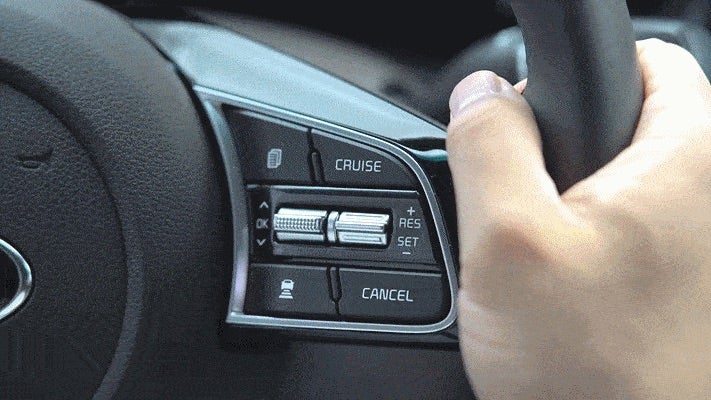
Smart Cruise Control is engineered specifically to elevate long-distance highway driving by using radar sensors to continuously regulate vehicle speed and maintain a safe gap behind traffic ahead. On long interstate stretches, the technology automatically decelerates when approaching slower vehicles and seamlessly returns to your selected speed once the lane clears, relieving drivers of constant pedal adjustments and helping maintain steady highway pacing. When preparing for road trips originating around New Port Richey, navigating long highway corridors requires continuous driver focus. Standard cruise control systems require manual cancellation or brake taps every time highway traffic slows down, creating repetitive work on congested roads. In contrast, Kia's radar-based system constantly monitors the lead vehicle's pace and adjusts your vehicle speed in real time. For additional peace of mind on extended road trips, every new Kia model comes backed by Kia’s 10-year/100,000-mile warranty, giving drivers complete confidence when traveling far from home. If you want to see how this driver-assist technology operates before your next trip, you can stop by our showroom location or give our team (727) 242-9613 a call to schedule a demonstration. How Kia Smart Cruise Control Reduces Driver Fatigue on I-75 Road Trips On average, drivers using Smart Cruise Control report a 30% decrease in fatigue during extended I-75 road trips. By managing speed adjustments and maintaining preset following distances in heavy traffic, the system significantly decreases physical leg strain and cognitive overload for the driver. Vacation travel on I-75 routinely brings heavy traffic surges, elevated ambient temperatures, and sudden slowdowns near major interchanges. Holding a constant foot position on the accelerator for hours—or rapidly switching between pedals during unexpected congestion—causes muscle fatigue and increases driving stress. By delegating distance management to Smart Cruise Control, drivers can stay more relaxed and focused on overall lane awareness and peripheral traffic. Key features that help manage fatigue during long trips include: Selectable Following Distances: Drivers can choose from four distinct distance settings to match their comfort level and ambient traffic density. Integrated Speed Adjustments: The vehicle automatically moderates speed when approaching slower traffic without requiring manual brake pedal pressure. Seamless Re-acceleration: Once the lane ahead opens up, the system smoothly returns the vehicle to its pre-set cruising speed. Combined Steering Support: When paired with Lane Following Assist, the system assists with gentle steering inputs to help keep the vehicle centered in its lane. For commuters and families driving in from Trinity to explore highway-ready crossovers, shopping, our pre-owned vehicle lineup offers an accessible way to secure advanced safety technology and long-distance driving comfort for travel. Is Highway Driving Assist Different From Smart Cruise Control? Highway Driving Assist is an advanced driver-assistance suite that integrates Smart Cruise Control with Lane Following Assist and navigation data to manage vehicle speed, lane positioning, and following distance on designated highways. While basic cruise control only holds a fixed speed, Highway Driving Assist coordinates multiple active safety systems to deliver a comprehensive highway driving experience. While stand-alone Smart Cruise Control manages longitudinal distance and speed relative to the vehicle ahead, Highway Driving Assist adds lateral control by keeping the vehicle centered between detected lane markings. On select higher trims equipped with Highway Driving Assist 2, the system also incorporates automated lane-change assistance when the turn signal is activated, alongside machine-learning software that adapts acceleration patterns to match the driver's personal driving style. Our advisors see that shoppers comparing midsize SUV trims on our showroom floor often ask how these technologies differ during highway test drives. Understanding how navigation data integrates with cruise speed control helps buyers choose the exact trim level that fits their vacation driving needs. Before visiting us to explore these features in person, shoppers can complete our online finance application to streamline their buying experience and review flexible payment options early. How Does Smart Cruise Control Handle Cut-Ins and Stop-and-Go Traffic on I-75? Front-facing radar sensors in Smart Cruise Control with Stop & Go enable seamless adjustments to braking when vehicles cut in or traffic slows on I-75. In heavy highway congestion, the system can bring your vehicle to a complete stop and automatically resume movement as traffic starts flowing again. Interstate driving during peak summer travel frequently involves sudden lane changes from merging drivers and unpredictable stop-and-go congestion. Depending on the setting selected, Kia’s distance parameters at 56 mph maintain typical following gaps equal to roughly 82, 106, 130, or 172 feet. When another car merges into that gap, the radar instantly detects the reduced distance and moderates engine power or applies the brakes to safely open up space. In heavy vacation traffic jams, the Stop & Go functionality provides exceptional convenience: Controlled Deceleration: The system detects slowing traffic ahead and gradually applies braking force to bring the vehicle to a smooth, complete stop. Short Stop Resumption: If traffic moves again within a brief window, the vehicle automatically accelerates back to speed without driver intervention. Manual Resume Prompt: If the vehicle remains stopped for an extended period, a simple tap on the steering wheel switch or accelerator pedal instructs the system to resume trailing. It is important to remember that these systems are designed to assist the driver rather than replace human control. The driver remains fully responsible for monitoring road conditions, remaining attentive, and taking manual control whenever road weather or sudden traffic shifts require immediate intervention. Which Kia SUV Offers the Most Advanced Cruise Control for Long Travel? The 2027 Kia Telluride and 2026 Kia Sorento deliver some of the most sophisticated driver-assistance technology available in the lineup, featuring Smart Cruise Control with Stop & Go and available Highway Driving Assist 2. For families seeking a versatile midsize SUV, the 2026 Kia Sorento EX DCT trim starts at an MSRP of $38,490 and comes equipped with a 2.5L engine producing 281 hp and 311 lb-ft of torque paired with a Sportmatic™ transmission. This 7-passenger SUV achieves an EPA-estimated 20 city / 29 hwy MPG and offers a 3,500 lbs towing capacity, making it ideal for hauling gear on extended road trips. The larger 3-row 2027 Kia Telluride provides exceptional cabin room and highway stability, making it a top choice for long-distance family travel across Florida. Meanwhile, compact SUV shoppers looking for efficient commuter tech will find available Smart Cruise Control technology across the popular 2026 Kia Sportage lineup. Every new Kia SUV backed by Kia’s 10-year/100,000-mile warranty ensures long-term protection and confidence across every mile of your journey. Common Questions About Kia Smart Cruise Control and Highway Tech Q: Does Kia Smart Cruise Control work on all roads or only highways? Most paved roads with clear lane markings and traffic flow support the operation of Smart Cruise Control technology. However, comprehensive systems like Highway Driving Assist are specifically calibrated to activate on navigation-mapped, controlled-access interstates and highways. Q: Can Smart Cruise Control bring the vehicle to a complete stop? Yes, Kia vehicles equipped with Smart Cruise Control with Stop & Go can automatically bring the car to a full stop when trailing congested traffic. If the stop is brief, the system resumes acceleration automatically as the lead car moves forward. Q: What happens to Smart Cruise Control in heavy summer rain? Heavy rain, road spray, or mud obscuring the front bumper radar sensor can temporarily degrade system visibility. When radar signals are obstructed, an alert appears on the instrument cluster notifying the driver that the system is temporarily inactive, requiring manual speed control until the sensor clears. Q: Is lane centering included automatically with Smart Cruise Control? Smart Cruise Control specifically manages speed and longitudinal following distance. Lane centering is controlled by Lane Following Assist, though both technologies function together seamlessly under the Highway Driving Assist suite. Prices and MSRP referenced in this article are estimates for informational purposes only and do not constitute an offer to sell. See dealer for complete details. Fuel economy estimates shown may differ from official EPA ratings and should not be relied upon as a guarantee of actual vehicle performance.
Kia Digital Key 2 Explained: Leave Your Keys at Home post

Kia Digital Key 2 Explained: Leave Your Keys at Home

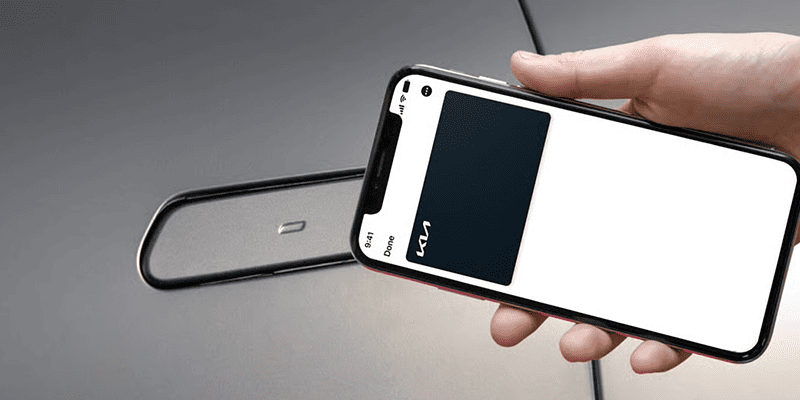
Kia Digital Key 2 is an advanced keyless entry and ignition technology that transforms a compatible smartphone or smartwatch into a full-function digital vehicle key. Operating through Ultra-Wideband (UWB) and Near Field Communication (NFC) microchips, it allows drivers to automatically unlock the doors, start the engine, and lock their vehicle without taking their phone out of a pocket or bag. By embedding secure cryptographic keys into native digital wallet applications like Apple Wallet, Samsung Wallet, and Google Wallet, Kia Digital Key 2 removes the need to carry a physical key fob. Initial setup takes only a few minutes inside the vehicle. After enrolling in a Kia Connect account, drivers place their smartphone on the in-vehicle wireless charging tray while sitting inside the cabin with the vehicle in Park. Following the pairing prompts inside the Kia Access smartphone app, links the digital key directly to the vehicle's onboard security modules. Once configured, your mobile device handles every primary function of a physical smart key. You can lock or unlock the doors, pop the rear liftgate, activate remote start, and drive away without fumbling through pockets or searching through a purse. For active coastal lifestyles in New Port Richey—whether heading out for a morning kayak trip along the Pithlachascotee River or taking a stroll at waterfront parks—leaving traditional key fobs behind eliminates the risk of losing physical keys or exposing delicate electronic fobs to water damage. To see how seamless digital vehicle access can be in person, visit our showroom address at 5819 US Highway 19 or give our team (727) 242-9613 a call to speak with a vehicle specialist. How Does Ultra-Wideband Proximity Unlocking Work and How Close Do You Need to Be? Ultra-Wideband proximity unlocking works by measuring the precise time it takes for high-frequency radio pulses to travel between sensors hidden in your Kia and the UWB chip inside your mobile device. As you walk toward your vehicle, the onboard UWB sensors detect your registered phone or watch at a distance of approximately 3 to 6 feet, triggering exterior welcome lighting and automatically unlocking the door handles before you reach out to touch them. This continuous spatial awareness creates a hands-free experience. Unlike older wireless signals that only calculate signal strength, UWB measures exact time-of-flight distances. This precise measurement prevents signal relay attacks, where thieves intercept remote fob signals to unlock vehicles illegally. Kia vehicle technology includes two distinct digital key variations based on trim levels and hardware availability: Digital Key 2: Utilizes Ultra-Wideband long-range spatial detection alongside Near Field Communication chips. It provides true hands-free proximity unlocking, welcome lighting activation, and push-button starting while your smartphone remains tucked inside a pocket, purse, or backpack. Digital Key 2 Touch: Relies primarily on Near Field Communication short-range radio signals. To unlock the driver door, you briefly tap your smartphone or smartwatch against the driver-side door handle sensor. Once inside the vehicle, starting the engine requires placing the device directly onto the console's wireless charging pad. Both system variations deliver elevated daily security and convenience over traditional metal blades or bulky fobs. If you are cross-shopping models across different model years, explore our pre-owned vehicle inventory to view available late-model vehicles equipped with smart access capabilities. Which Smartphones and Smartwatches Are Compatible with Kia Digital Key 2? Kia Digital Key 2 is compatible with modern iOS and Android mobile platforms equipped with standard UWB or NFC chips, including Apple iPhone (iPhone 11 models and newer), Apple Watch (Series 6 and newer), recent Samsung Galaxy S-series and Z-fold flagships, and Google Pixel devices. Because digital keys live natively within your phone's digital wallet application, setup and security protocols match the high standards used for contactless mobile payment cards. Biometric authentication features—such as Apple Face ID, Touch ID, or Android fingerprint scanning—can be configured to authorize vehicle access, ensuring that lost devices cannot be used by unauthorized individuals. Compatible device categories include: Apple Devices: iPhone 11, 12, 13, 14, 15, 16, and newer runs; Apple Watch Series 6, 7, 8, 9, Ultra, and newer generations. Samsung Galaxy Devices: Galaxy S21 Ultra/+, S22 Ultra/+, S23 series, S24 series, Z Fold3, Z Fold4, Z Fold5, and newer flagship models. Google Pixel Devices: Pixel 6 Pro, Pixel 7 Pro, Pixel 8 Pro, Pixel 9 Pro, and subsequent UWB-enabled Android devices. Smartwatch Ecosystems: Apple Watch models running current watchOS versions and select Wear OS devices paired with compatible Android smartphones. Our sales team assists buyers with pairing mobile devices during vehicle delivery so you can test proximity features before driving home. You can also complete our online credit application ahead of time to streamline your purchase process at the dealership. How Do You Share Kia Digital Key 2 Access and Restore Personal Driver Settings? You can share Kia Digital Key 2 access with up to three authorized family members or friends by sending a secure key invitation directly through native messaging apps like Apple iMessage, Samsung Messages, or Google Wallet. The vehicle owner controls access privileges, deciding whether to send a permanent owner key, set timed temporary access, or restrict specific functionality. When an authorized guest accepts the text invitation, the encrypted digital key automatically saves into their device's native wallet app. The primary owner retains full control from their smartphone app and can revoke shared key access at any moment with a single tap. Beyond convenient vehicle entry, Kia Digital Key 2 links directly to onboard driver profile storage. When an authorized phone approaches and unlocks the driver door, the vehicle automatically restores individual preferences: Seating & Side Mirror Memory: Power driver seat positioning, lumbar support, and exterior power side mirror angles automatically adjust to the recognized driver. Climate Control & Comfort: Dual-zone automatic temperature, heated seat settings, and ventilated seat preferences tune to your saved climate profile. Infotainment System Preferences: The digital gauge cluster layout, central touchscreen radio presets, paired Bluetooth devices, and navigation recents update immediately. Safety & Assist Setup: Customized alerts for driver assistance systems—such as blind spot detection warning sensitivity and lane assist steering interventions—load to match the preferences of whoever is behind the wheel. Our sales specialists see how much multi-driver households appreciate this automatic profile restoration. Spouses swapping vehicles during busy morning routines never have to spend time adjusting power seats, readjusting mirrors, or retuning audio stations. Does Kia Digital Key 2 Require a Monthly Subscription Fee or Active Cellular Service? The core vehicle access features of Kia Digital Key 2—including proximity door unlocking, door handle tapping, engine start, and tailgate opening—operate locally via direct radio frequency transmissions between your device and the vehicle. These primary keyless entry functions do not rely on cell phone towers or active internet connections, meaning they incur no monthly subscription fees. Local radio frequency connections ensure that Digital Key 2 works flawlessly in remote areas, underground parking garages, or concrete valet structures where cellular reception drops completely. You can unlock your vehicle and start the engine in a dead zone just as reliably as you would in your home driveway. Cellular connectivity through an active Kia Connect subscription plan is required only for initial device registration, sending remote digital key invitations to friends, or managing profile access settings from a remote distance. Once a digital key is downloaded and paired inside your mobile wallet, the encrypted security keys remain stored locally on your device's secure element hardware. Because the physical keyless entry functions are built directly into the vehicle's onboard computer control modules, owners enjoy permanent access to their digital key hardware without worrying about hidden monthly utility costs over time. Which New Kia Models and Trims Include Digital Key 2 Technology? Kia equips Digital Key 2 across premium trims of its modern lineup, led by advanced electric vehicles and flagship family crossovers. Feature availability varies by trim level, so confirming specific standard equipment packages on the showroom floor ensures you get the keyless entry technology you expect. Key Kia models featuring available Digital Key 2 include: 2026 Kia EV9: The brand's premier three-row all-electric SUV features standard or available Digital Key 2 with Ultra-Wideband proximity detection across its model range. Trim options include: Light: Starting at $54,900 MSRP with a single-motor Rear-wheel drive layout generating 215 hp and 258 lb-ft of torque, mated to an automatic 1-speed transmission. Land AWD: Listed at 68,900MSRP (plus 1,645 destination charge), offering a dual-motor All-wheel drive system producing 379 hp and 443 lb-ft of torque. GT-Line AWD: Positioned at 71,900MSRP (plus 1,645 destination charge), delivering a powerful All-wheel drive setup with 379 hp and 516 lb-ft of torque. 2026 Kia Sorento: Select trims like the EX DCT (starting at $38,490 MSRP) feature standard power amenities and available digital key features. Powered by a responsive 2.5L turbocharged engine with a Sportmatic™ dual-clutch transmission, it delivers 281 hp and 311 lb-ft of torque, achieving an EPA-estimated 20 city / 29 hwy MPG. Kia Telluride: Select higher-tier trims feature UWB digital key access, giving large families seamless entry while loading gear for weekend road trips. Kia Sportage: Available UWB-based Digital Key 2 technology appears on select upper trims, blending compact crossover versatility with high-tech mobile access. For suburban commuters driving from Trinity down the Suncoast Parkway into Tampa, having a vehicle that unlocks as you walk up with your hands full of work bags or groceries makes every trip smoother. Explore our selection of new Kia vehicles to compare trim specifications and find a model equipped with Digital Key 2. Common Questions About Kia Digital Key 2 Q: What happens to Kia Digital Key 2 if my smartphone battery dies? Most modern smartphones reserve a small power reserve specifically for digital wallet chips even after the primary display shuts off due to a low battery. Devices supporting power-reserve modes allow NFC door handle tapping and engine start for several hours after the main screen shuts down. For peace of mind on long trips, keeping a physical smart key backed up in your bag is recommended. Q: Can I revoke a shared digital key if someone loses their phone? Yes, primary owners can revoke shared digital key permissions instantly using the Kia Access app on their own smartphone or through the Kia Connect web portal. Revoking access instantly invalidates the encrypted credential stored in the secondary user's wallet app, preventing unauthorized entry even if the lost device is found by someone else. Q: Does Kia Digital Key 2 work when valet parking in parking garages without internet service? Yes, Kia Digital Key 2 works offline in subterranean parking garages and concrete structures without cellular data. Direct radio communication between your phone and the car handles unlocking and ignition locally. Additionally, you can enable Valet Mode via the infotainment system touchscreen to lock out access to personal driver data and glove compartment storage while handing off access. Q: How does Kia Digital Key 2 protect against signal relay theft? Kia Digital Key 2 uses Ultra-Wideband time-of-flight distance measurement, which calculates the exact physical location of your smartphone based on how fast radio signals travel. Because relay devices cannot artificially speed up the signal return time, thieves using signal extenders cannot trick the vehicle into thinking a phone is nearby when it is actually indoors. Q: Is Kia Digital Key 2 hardware covered by Kia’s warranty? Yes, factory-installed digital key antenna modules, interior authentication pads, and electronic control units are covered under the bumper-to-bumper portion of Kia’s 10-year/100,000-mile warranty program package structure (5-year/60,000-mile limited basic coverage). Our certified technicians provide factory-trained diagnostics if you ever need help re-pairing your device or troubleshooting sensors. Prices and MSRP referenced in this article are estimates for informational purposes only and do not constitute an offer to sell. See dealer for complete details. Fuel economy estimates shown may differ from official EPA ratings and should not be relied upon as a guarantee of actual vehicle performance. Vehicle specification data © JATO Dynamics Limited.
How Heavy Rain Impacts Brake Performance in Florida post

How Heavy Rain Impacts Brake Performance in Florida

Heavy rain sharply reduces brake safety by creating a liquid barrier between tire rubber and asphalt while washing water into brake assemblies. Water temporarily lubricates the friction surface between brake pads and rotors, while standing water drastically increases hydroplaning risks and extends stopping distances by up to 50 percent on wet pavement. When a sudden downpour hits, water coats the brake rotors and friction pads. This thin layer of surface liquid delays initial pedal engagement because hydraulic pressure must first sweep water off the spinning rotor before full friction takes hold. On wet pavement, tires worn down to the U.S. legal minimum of 2/32 inch tread can require roughly 30 to 50 percent longer stopping distance than new tires. A vehicle that stops in about 150 feet on dry roads can easily require more than 200 feet during heavy rain when tread depth drops to wear bars. Modern driver-assist technology works in tandem with fundamental mechanical braking. Features like blind spot detection and lane assist provide driver awareness when visibility drops during tropical storms, helping drivers maintain lane alignment when traffic slows unexpectedly. However, driver aids cannot bypass physical limitations when water sits on rotor faces or roads. Checking brake component thickness and tire condition before wet weather arrives keeps your stopping power predictable. Drivers needing a comprehensive brake evaluation can visit our New Port Richey service center location or give our team a quick call to speak with a factory-trained technician. How Do Heat, Coastal Humidity, and Rain Combine to Wear Down Brakes in Florida? The combination of intense heat, high coastal humidity, and frequent summer rain creates a harsh environment that accelerates brake component corrosion and fluid breakdown. Sustained ambient warmth bakes rubber seals, coastal salt air corrodes metal caliper slides, and humid air introduces moisture into hygroscopic brake fluid reservoirs. High temperatures during peak summer months generate immense thermal friction during routine stopping. When a hot brake rotor encounters sudden rainwater, the immediate cooling effect creates severe thermal shock. Over time, these rapid temperature fluctuations cause microscopic surface fractures or rotor warping, which manifests as pedal pulsation during application. Coastal dampness further accelerates surface oxidation. Cast-iron rotors left sitting overnight after a rainstorm routinely develop flash rust on the disc face, causing brief scraping noises during the first few stops of the morning. Humidity plays an equally destructive role within the hydraulic system itself. Standard glycol-based brake fluid is hygroscopic, meaning it continuously absorbs airborne water vapor over time. In coastal regions where humidity remains elevated year-round, absorbed moisture accumulates inside brake lines and master cylinders. This moisture lowers the boiling point of the brake fluid significantly. Under heavy braking, wet fluid can boil prematurely, converting liquid into compressible steam pockets that result in a spongy pedal feel. Corrosion also targets mechanical hardware. Salt air and rain runoff enter caliper slide pins, anti-rattle clips, and parking brake cables. Without proper lubrication and protection, rusted caliper pins bind, causing brake pads to drag against the rotor continuously. Dragging pads build extreme heat, uneven pad wear, and reduced fuel efficiency. Replacing degraded hardware through our genuine Kia parts department ensures caliper assemblies float freely and pad surfaces contact rotors evenly. Why Does Standing Water on US-19 Cause Brake Fade, Sponginess, and Longer Stopping Distances? Standing water on high-speed roadways creates immediate hydroplaning risks while temporarily quenching brake rotor heat, coating friction surfaces in a water layer that delays pedal response. Deep puddles force water directly between friction materials, causing temporary wet brake fade and extending stopping distances significantly. Heavy rain on US-19 in New Port Richey often leads to localized pooling across multi-lane stretches. Driving through standing water at 45 to 55 miles per hour forces water into the tiny gaps between brake pads and rotor discs. Water acts as a temporary lubricant, lowering the friction coefficient until pad pressure and kinetic heat vaporize the liquid layer. Until that heat builds, drivers experience a brief delay in stopping power commonly referred to as wet brake fade. When drivers mention a spongy brake pedal after navigating heavy downpours, our service technicians examine the brake fluid for water absorption before inspecting pad thickness, as boiling moisture in contaminated fluid creates air pockets under hard pedal pressure. Deep puddles can also submerge wheel hubs briefly, exposing worn caliper boots or cracked brake lines to direct water intrusion. Safety guidelines emphasize maintaining tire tread depth to preserve wet stopping control. Independent testing reveals that passenger vehicles on tires worn down to 2/32 inch tread can take up to 87 feet longer to stop on wet roads compared to vehicles riding on 4/32 inch tread. While standard antilock braking systems ( ABS) modulate brake line pressure to prevent wheel lockup, no electronic safety system can restore traction if tire tread cannot channel standing water away from the road surface. What Warning Signs Show Your Brakes Are Unsafe for Wet Roads and Heavy Downpours? Critical warning signs that your brakes are unsafe for heavy rain include high-pitched squealing or grinding noises, a brake pedal that feels soft or sinks toward the floorboard, steering wheel vibration, and a noticeable pulling sensation to one side when stopping. Any delay in pedal bite during wet weather signals an urgent need for professional maintenance. Identifying braking issues early prevents minor component wear from turning into complete system failure during severe weather. Watch for these clear indicators: High-pitched squealing or harsh metallic grinding during pedal application, indicating worn pad friction linings or metal backing plate contact. A soft or spongy brake pedal that requires excessive travel or pump action to slow the vehicle, pointing to air or absorbed moisture inside hydraulic lines. Steering wheel shudder or pedal pulsation when braking from speed, caused by warped brake rotors or uneven pad material transfers. Vehicle pulling toward one side during hard stops, signaling a stuck caliper slide pin, uneven friction wear, or restricted hydraulic flow. Active dashboard warning indicators, such as the ABS light or main brake system warning light. Ignoring these warning signs increases stopping distances dramatically during sudden summer storms. Worn pads hold less heat, encouraging surface glazing when wet, while degraded brake fluid risks hydraulic vapor lock during emergency maneuvers. Regular multi-point checks ensure your vehicle maintains factory stopping specifications. Kia builds exceptional confidence into every vehicle on the road, backed by Kia’s 10-year/100,000-mile warranty powertrain protection. Keeping friction components, fluid quality, and tire tread within recommended margins guarantees your vehicle responds predictably when rain arrives. Frequently Asked Questions About Rain Driving and Brake Maintenance Q: How do you safely dry wet brakes while driving after going through a puddle? To dry wet brake pads and rotors after driving through standing water, apply light, steady pressure to the brake pedal for a few seconds while moving at a low speed in a clear lane. This gentle friction generates localized heat that quickly evaporates trapped surface moisture, restoring full pad friction and responsive pedal bite before you need to make an emergency stop. Q: How often should brake fluid be changed in high-humidity coastal areas? In high-humidity environments, brake fluid should be tested and flushed every two to three years or according to your owner manual schedule. Standard glycol brake fluid is hygroscopic and continually pulls water vapor from humid air. Moisture accumulation lowers the fluid boiling point and causes internal corrosion, leading to soft pedal response during hard stopping. Q: What is the recommended following distance when driving in heavy Florida downpours? Safety experts advise increasing your following distance to at least six seconds during heavy downpours. Rain-slicked asphalt reduces tire adhesion and wet brake pads require a fraction of a second to clear surface water, making extra space essential for avoiding sudden tailgating collisions when traffic slows down abruptly. Q: Can driving through deep street puddles cause permanent damage to brake rotors? Splashing through deep standing water with hot brakes can cause thermal shock, where rapid cooling warps the cast-iron metal. Thermal shock creates lateral runout in the rotor disc, which results in persistent steering wheel vibration, pedal pulsing, and uneven pad wear that requires rotor resurfacing or complete replacement. Q: How does tire tread depth directly affect brake performance during heavy rain? Tread grooves act as channels that pump water away from the contact patch where rubber meets asphalt. When tread wear drops below 4/32 inch, water cannot clear fast enough, forcing the tire to ride on a liquid film. Hydroplaning prevents braking force from transferring to the road surface, regardless of how hard pad friction clamps against the rotor. Prices and MSRP referenced in this article are estimates for informational purposes only and do not constitute an offer to sell. See dealer for complete details. Fuel economy estimates shown may differ from official EPA ratings and should not be relied upon as a guarantee of actual vehicle performance.
How to Protect Your Vehicle from Florida's Extreme Summer Heat post

How to Protect Your Vehicle from Florida's Extreme Summer Heat

Protecting your vehicle from Florida's extreme summer heat requires a combination of physical solar barriers, routine thermal fluid checks, and regular interior surface conditioning. Parking under physical cover or deploying custom-fit reflective sunshades prevents internal cabin temperatures from climbing past 140°F, preserving dashboard materials and clear-coat finishes. Combined with monthly tire pressure adjustments, proactive battery testing after three years of ownership, and routine air conditioning service, these steps prevent premature heat-induced chemical breakdown across critical vehicle systems. High ambient temperatures in coastal environments place continuous thermal stress on modern vehicles. When ultraviolet radiation penetrates plain glass, cabin air traps radiant heat, causing surface temperatures on leather seating and plastic dash panels to spike dramatically within minutes. Outdoor parking without solar defense leads to dried-out vinyl, oxidized paint clear coats, and degraded rubber weatherstripping. Protecting an investment requires addressing both physical solar exposure on exterior surfaces and invisible thermal strain on mechanical components. Establishing an effective seasonal vehicle care routine minimizes unexpected mechanical downtime during peak summer months. Beyond interior preservation, excessive under-hood heat accelerates engine oil oxidation, evaporates battery electrolyte fluid, and increases tire pressure beyond standard operational thresholds. Drivers can reach our service center in New Port Richey or give our team a quick call at (888) 604-4352 to inspect thermal protection components before summer conditions peak. Why Is Shaded Parking the Most Critical Defense Against Sun Damage? Shaded parking serves as the primary barrier against automotive sun damage by stopping direct ultraviolet rays and radiant heat energy before they strike interior and exterior surfaces. Solid overhead cover prevents paint oxidation and keeps cabin temperatures from reaching destructive extremes that break down trim adhesives and synthetic materials. On a typical 80°F summer afternoon, internal cabin temperatures rise to nearly 100°F within 10 minutes and exceed 120°F within an hour. In open parking lots where ambient temperatures reach much higher levels, dark interior panels soak up solar energy until surface temperatures exceed 150°F. Parking inside a garage, under a solid carport, or in dense shade eliminates direct solar loading, slowing down the rate at which plastics lose essential plasticizers. When covered garage space is unavailable, secondary physical barriers cushion the impact of intense sun exposure. Premium custom-fit car covers constructed from breathable, UV-reflective fabrics safeguard exterior clear coats from sun fading while shielding body panels from airborne contaminants. For custom exterior protection and replacement trim components, drivers can order genuine factory parts through our dedicated parts department. Combining physical shade habits with secondary interior barriers keeps cabin components operational throughout years of suburban coastal driving. Primary Overhead Defense: Garages, carports, and covered structures block 100 percent of direct UV radiation. Surface Temperature Reduction: Shaded parking keeps dash and seat materials up to 40°F cooler than unshaded surfaces. Clear Coat Preservation: Blocking direct solar radiation prevents paint chalking, clear coat peeling, and color fading. Secondary Barrier Support: Custom exterior covers shield vehicle paint when permanent structure shading is unavailable. How Does Extreme Heat Affect Car Batteries, Tires, and Air Conditioning Systems? Extreme summer heat degrades automotive performance by accelerating chemical breakdown inside 12-volt batteries, increasing internal tire pressures, and overloading air conditioning compressors. Sustained high ambient temperatures evaporate internal battery fluids and cause internal grid corrosion, making heat a primary cause of summer battery failure. Vehicle batteries operating in hot climates undergo intense internal chemical strain. Industry battery testing data indicates that battery fluid loss accelerates significantly when ambient temperatures surge, often cutting standard battery service lifespans down to two or three years. Proactive battery load testing during routine oil change appointments identifies weak cell output before a sudden starting failure occurs on a hot afternoon. Pavement temperatures frequently exceed 140°F during peak afternoon hours. Ambient heat causes tire inflation pressure to rise by approximately 1 psi for every 10°F increase in temperature. Running on underinflated tires across hot asphalt creates excessive flexing and internal friction, dramatically increasing the risk of high-speed sidewall blowouts. Checking tire pressures when tires are cold and maintaining factory recommended door-jamb specifications protects tire carcass integrity. Air conditioning systems also operate under maximum load during summer months. Dust, pollen, and humidity restrict airflow through cabin air filters and external condenser fins, forcing the AC compressor to work harder to cool the cabin. To maintain peak cooling efficiency, vehicle owners can easily schedule a routine service appointment online for a comprehensive climate control inspection, cabin air filter replacement, and system refrigerant pressure test. What Window Tint Ratings and Solar Rejection Films Protect Your Cabin Best? Selecting window tint based on Total Solar Energy Rejection ratings provides the maximum reduction of cabin heat and ultraviolet light radiation. High-performance ceramic window films block up to 99 percent of harmful UV rays and reject a substantial percentage of infrared radiation without interfering with electronic device signals. Evaluating window film performance requires looking beyond visible light transmission levels. Total Solar Energy Rejection measures the combined percentage of ultraviolet radiation, visible light, and solar heat energy deflected away from the vehicle interior. While basic dyed films alter window appearance, advanced ceramic films utilize non-conductive microscopic ceramic particles to absorb and scatter solar thermal energy before it penetrates interior glass. Installing quality solar film preserves interior electronics, digital instrument clusters, and infotainment screens that suffer under heat stress. Excessive heat cycles weaken display solder joints and cloud touch-screen displays over time. Applying ceramic tint across side and rear glass surfaces reduces overall solar load, allowing interior auto-climate features in models like the Kia Telluride or Kia Sportage to achieve set cabin temperatures faster while reducing engine workload. Are Dashboard Covers and Leather Care Routines Effective Against Cracking? Molded and fabric dashboard covers effectively prevent dashboard cracking by blocking direct ultraviolet light and lowering surface temperatures on instrument panels. Dash covers act as a thermal buffer that stops vinyl, soft-touch plastics, and structural resins from losing essential flexibility over time. Prolonged UV exposure and extreme thermal expansion strip moisture from synthetic dashboard materials. As volatile plasticizers evaporate, dash materials become brittle, shrink, and eventually split along stress lines near defrost vents. A tailored dash cover eliminates direct sun exposure across horizontal surfaces, maintaining surface integrity and reducing harsh windshield glare during low-angle morning drives. Preserving leather seating materials requires a disciplined, multi-step maintenance routine designed to replenish natural oils lost to high humidity and heat: Surface Vacuuming: Remove abrasive sand and loose grit from seat seams using a soft brush attachment. Dedicated Cleaning: Wipe down seating surfaces with a pH-neutral leather cleaner to open material pores. Deep Conditioning: Apply a high-grade leather conditioner containing specialized UV inhibitors every two to three months. Protective Wipe-Down: Buff excess product off with a clean microfiber towel to leave a non-greasy, matte protective barrier. Regular application of leather conditioners keeps natural hide and synthetic SynTex seating soft, preventing surface drying, discoloration, and seam splitting. For vehicles like the Kia Sorento, combining routine upholstery conditioning with custom dash protection maintains long-term cabin comfort and resale value throughout years of daily commuting to Tampa. Frequently Asked Summer Vehicle Care Questions Q: Are dashboard covers effective at preventing interior dashboard cracking? Yes, dashboard covers block direct UV rays and lower surface heat on the instrument panel, preventing vinyl and soft-touch plastics from drying out, shrinking, and cracking. By absorbing radiant solar energy, dash covers preserve internal plasticizers and keep factory dashboards intact throughout years of high heat exposure. Q: How often should I test my car battery during Florida's summer months? Vehicle owners should have their battery load-tested twice a year once the unit passes three years of active service. Extreme heat accelerates internal plate corrosion and fluid evaporation, often causing sudden battery failure without prior warning during peak summer months. Q: How does paint protection film shield paint from summer sun damage? Paint protection film acts as a clear physical barrier that absorbs high-impact gravel strikes while blocking harmful ultraviolet radiation. Applied across high-exposure areas like the hood, front bumper, and side mirrors, paint protection film stops clear-coat oxidation, bug splat etching, and sun fading. Q: Why does tire pressure fluctuate so dramatically during hot summer weather? Tire pressure increases by roughly 1 psi for every 10°F rise in ambient temperature due to air expansion inside the tire. Hot asphalt reaching over 140°F further elevates internal pressures, making monthly cold tire pressure checks essential for maintaining proper tread wear and preventing sudden blowouts. Q: What emergency assistance benefits cover heat-related breakdowns? Kia owners benefit from emergency roadside assistance plans backed by warranty coverage. Program benefits include flat tire changes, battery jump-starts, and towing to authorized service centers. Drivers requiring roadside dispatch can reach Kia Roadside Assistance at 1-800-333-4542 for immediate, manufacturer-backed support. Prices and MSRP referenced in this article are estimates for informational purposes only and do not constitute an offer to sell. See dealer for complete details. Fuel economy estimates shown may differ from official EPA ratings and should not be relied upon as a guarantee of actual vehicle performance.

First-Time Car Buyer with Limited Credit? Here's What to Expect post

First-Time Car Buyer with Limited Credit? Here's What to Expect

First-time car buyers financing a vehicle with limited credit need verifiable gross monthly income that meets lender requirements, key documentation including pay stubs, proof of residence, a valid driver's license, and active auto insurance, alongside a recommended cash down payment of 10% to 20% to secure loan approval. When auto lenders review a financing request from an applicant with a thin credit file or short credit history, they evaluate the complete financial profile rather than relying solely on a credit score. Underwriters assess payment stability, job longevity, and established budget ratios to measure financial risk. Specifically, lenders analyze two critical metrics: Payment-to-income ratio: Most first-time buyer finance programs require the prospective monthly vehicle payment to fall between 12% and 20% of your gross monthly earnings. Debt-to-income ratio: Total monthly debt obligations—including rent, credit cards, student loans, and the anticipated car loan—should remain at or below 45% of your gross income. Preparing these financial details before shopping helps streamline the approval process. Demonstrating consistent income stability reassures underwriters that your monthly cash flow can comfortably support an auto payment. For drivers handling suburban driving around New Port Richey, establishing a practical monthly budget is the most effective first step toward purchasing a reliable vehicle. To discuss current financing criteria with our finance team, feel free to give us a quick call or stop by our convenient showroom address to review your options in person. What Documents and Credit Score Are Needed for Loan Approval? While there is no strict minimum credit score required to secure an auto loan, first-time buyers with limited credit or scores below 600 must present a complete documentation portfolio—including proof of income, proof of residence, driver's license verification, auto insurance, and personal references—to earn loan approval. Lenders working with limited-credit profiles require physical verification of your financial stability. Having these items organized in advance prevents delays during the underwriting review: Proof of income: Bring your most recent computer-generated pay stubs showing year-to-date earnings, or two years of tax returns if you are self-employed. Most programs require a minimum verifiable gross monthly income of $1,500 to $2,000. Proof of residence: Provide a recent utility bill (electric, water, or cable), landline phone bill, or formal lease agreement issued within the last 30 to 60 days matching the home address listed on your credit application. Driver's license & insurance: Present a valid, unexpired driver's license along with proof of full-coverage auto insurance naming the lender as the lienholder before taking vehicle delivery. Personal references: Prepare a list of 5 to 10 personal references, including full names, physical addresses, and current phone numbers, living at separate addresses. Borrowers with FICO scores in the mid-500s or those who have no established credit score at all can successfully secure auto financing when backed by verifiable employment and a clean recent payment record with no major delinquencies. Buyers can streamline their visit by submitting an online credit application to see where they stand, or begin exploring our pre-owned vehicle inventory to find models that fit their target payment range. How Much Down Payment Should You Save and What Interest Rates Can You Expect? First-time car buyers with low or limited credit should aim for a cash down payment of at least 10% on pre-owned vehicles or 20% on new models to reduce loan-to-value ratios and improve approval terms. Providing a meaningful cash down payment directly lowers the financial risk for the lender. On a $20,000 vehicle purchase, putting down $2,000 to $4,000 reduces the principal financed, which automatically lowers your monthly payment and decreases total interest accrued over the life of the loan. A solid down payment can also help offset initial depreciation, protecting you from carrying negative equity. Interest rates for first-time buyers with limited credit generally reflect subprime risk tiers. Depending on broader economic conditions, job stability, and down payment size, interest rates on new vehicles for limited-credit buyers typically range from 9% to 15%+, while pre-owned vehicle rates commonly sit between 12% and 21%. Choosing a standard 60-month loan term rather than stretching to 72 or 84 months helps keep your interest costs under control, even if the monthly payment is slightly higher. Long-term ownership value is another essential factor when building a budget. Choosing a vehicle with comprehensive long-term warranty coverage, such as Kia’s 10-year/100,000-mile warranty, shields buyers against unforeseen mechanical repair bills while establishing their credit history. Keeping up with routine vehicle maintenance is equally vital to protecting your investment, and owners can rely on scheduling routine maintenance online to keep their vehicle running smoothly. Is Dealership Financing or Bank Financing Better for First-Time Buyers? Dealership financing is generally superior for first-time buyers with limited credit because dealership finance and insurance (F&I) departments maintain direct relationships with broad networks of national banks, regional credit unions, and specialized finance programs tailored for new buyers. When you apply for a loan directly at a single bank or credit union, your application is evaluated against that single institution's strict underwriting rules. If your credit file is thin, a traditional bank may decline the loan or demand strict conditions. In contrast, dealership finance managers submit your application to multiple financial institutions simultaneously, allowing lenders to compete for your business and increasing your overall chances of approval. Working with an experienced F&I team offers several practical advantages for first-time shoppers: Access to specialized manufacturer finance programs designed specifically for first-time buyers with clean job histories. Ability to structure loan terms, down payments, and trade-in allowances dynamically to meet specific lender approval benchmarks. Full transparency regarding itemized vehicle pricing, state fees, and optional protection products before signing any contract. Maintaining long-term vehicle condition protects the resale value of your car throughout your loan term. Whether you choose to add protective accessories or maintain factory mechanical components, our team assists owners with ordering genuine OEM parts to ensure original factory fit and durability. How Do Co-Signers and Auto Loans Help Build Your Credit History? Adding a creditworthy co-signer reduces lender risk to secure lower interest rates and reduced down payment requirements, while consistent, on-time auto loan payments establish a strong installment credit history that elevates your credit score over time. A co-signer acts as a financial guarantor on the auto loan. Lenders evaluate the co-signer's established credit profile—ideally featuring FICO scores of 670 to 700+ alongside stable income—which mitigates the risk of a thin credit file. Utilizing a qualified co-signer often allows first-time buyers to qualify for lower interest rates, reduced down payment thresholds, and more flexible loan terms. An auto loan functions as a major installment credit account on your credit bureau reports. Unlike credit cards, which represent revolving credit, an installment loan demonstrates your ability to manage a fixed debt balance over a set timeframe. Making on-time monthly payments for 6 to 12 consecutive months builds positive payment history, which accounts for approximately 35% of your overall credit score calculation. Commuters taking the Suncoast Parkway from Trinity toward Tampa Bay often ask our finance specialists how soon they can refinance after establishing six months of flawless payment history on their first vehicle. After completing 6 to 12 months of consistent payments, buyers whose credit scores have improved significantly can evaluate refinancing options to secure lower interest rates and decrease monthly payments independently. Questions First-Time Car Buyers Ask About Auto Loans Q: What is the maximum debt-to-income ratio allowed for a first-time buyer auto loan? Most auto lenders look for a total debt-to-income (DTI) ratio at or below 45%, which includes housing costs, credit card minimums, student loans, and your estimated new car payment. Additionally, lenders cap your payment-to-income (PTI) ratio between 12% and 20% of your verifiable gross monthly income. Keeping total debt obligations within these boundaries demonstrates to underwriters that your monthly income can comfortably accommodate a regular vehicle payment. Q: Can I get approved for an auto loan if I am self-employed or have a non-traditional income? Self-employed first-time buyers can earn auto loan approval by providing alternative proof of income documentation. Lenders typically require two to three recent consecutive months of full bank statements showing regular business deposits, or your two most recent tax returns accompanied by 1099 or W-2 forms. Demonstrating consistent gross monthly deposits that meet or exceed the lender's minimum income threshold ($1,500 to $2,000) provides underwriters with the verification necessary to approve your loan file. Q: How does a larger down payment affect my monthly auto payment and interest rate? Providing a larger cash down payment lowers your loan-to-value ratio, reducing overall financial risk for the lending institution. Lower loan-to-value ratios help you qualify for competitive interest rates within your credit tier and automatically reduce your monthly payment by lowering the total principal borrowed. Every additional $1,000 applied toward your initial down payment decreases your overall financed amount and reduces accrued interest over the life of the loan. Q: How soon can a first-time car buyer refinance their auto loan to get a lower rate? First-time buyers can evaluate refinancing options after making 6 to 12 consecutive on-time monthly payments. This six-to-twelve-month payment history demonstrates reliable installment credit management and frequently boosts your credit score. If your score increases substantially or prevailing interest rates improve, refinancing through a bank or credit union can help you lock in a lower interest rate, adjust your loan term, or reduce your monthly payment. Q: What vehicle safety and tech features should first-time car buyers prioritize on a daily commute? First-time buyers seeking practical daily transportation should prioritize active safety technology and effortless smartphone connectivity. Features like blind spot detection and lane assist provide driver awareness during busy highway traffic, while Apple CarPlay or Android Auto integrated into an intuitive infotainment system keep navigation accessible. Selecting models known for high fuel efficiency or exploring modern hybrid options further protects your budget by lowering ongoing fuel expenses. Prices and MSRP referenced in this article are estimates for informational purposes only and do not constitute an offer to sell. See dealer for complete details. Fuel economy estimates shown may differ from official EPA ratings and should not be relied upon as a guarantee of actual vehicle performance.

Can the Kia EV9 Handle a Summer Road Trip Across Florida? post

Can the Kia EV9 Handle a Summer Road Trip Across Florida?

Yes, the Kia EV9 is built for long family road trips across Florida, delivering up to an EPA-estimated 305 miles of driving range on a single charge and rapid 800V fast-charging capability. With a spacious three-row cabin, comfortable seating for up to seven passengers, and advanced climate management designed to handle sustained summer heat, this all-electric SUV eliminates range anxiety on long highway drives. Florida road trips present unique demands, from intense summer temperatures that strain battery thermal management systems to long stretches of highway between coastal destinations. The Kia EV9 addresses these demands directly with its advanced electric global modular platform. Expected to feature the 99.8 kWh extended-range battery pack on higher trim levels like the Light Long Range RWD, Wind AWD, Land AWD, and GT-Line AWD, the vehicle provides ample range to traverse the state comfortably. Suburban driving around New Port Richey along the flat coastal plain shows how smoothly the electric powertrain handles daily errands before seamlessly transitioning to long-distance highway travel. Planning a trip from Pasco County down to the Keys or across to the Atlantic coast requires a vehicle that keeps every passenger relaxed. The cabin offers available power-adjustable second-row captain's chairs with heating and ventilation, while tri-zone automatic climate control ensures cool airflow reaches third-row passengers even during peak afternoon heat. When you are ready to explore your road-trip options in person, you can stop by our New Port Richey showroom location or call our team directly to discuss upcoming availability and test drives. How Easy Is DC Fast Charging Along Florida Highways like I-75 and I-95 in the EV9? DC fast charging along major Florida corridors like Interstate 75, Interstate 95, and the Florida Turnpike is exceptionally convenient in the Kia EV9, with high-output charging plazas positioned every 30 to 50 miles. Thanks to its ultra-fast 800V charging architecture, the EV9 can replenish its battery from 10% to 80% in approximately 24 minutes at a 350 kW DC fast charger under optimal conditions. A typical charging stop on a cross-state journey takes roughly 15 to 25 minutes, matching the time it takes for a family rest-stop break, snack run, or bathroom trip. The 2027 model year features a built-in Tesla-style NACS charging port, granting EV9 drivers direct access to thousands of Tesla Supercharger locations across the Southeast alongside public networks like Electrify America and EVgo. High summer ambient temperatures can impact charging speeds if a battery overheats, but the EV9 utilizes an active liquid thermal management system that pre-conditions the battery en route to a charging station, preserving maximum charge rates even in July heat. Key highway charging benefits for Florida travelers include: Access to high-speed 350 kW public DC chargers that add up to 100 miles of range in under 10 minutes. Integrated NACS port compatibility for seamless plug-in charging at nationwide Supercharger hubs. Onboard navigation with intelligent route planning that automatically calculates necessary charging stops based on real-time energy consumption and traffic. For drivers accustomed to traditional fuel efficiency figures on long highway drives, transitioning to electric road-tripping requires only minor planning adjustments. If you are comparing new electric options against traditional or hybrid options, exploring our inventory of new Kia vehicles offers a clear look at how electric utility compares to gas-powered family haulers. Is the Kia EV9 Cargo Space and Seating Large Enough for Family Vacation Luggage? The Kia EV9 provides generous passenger volume and flexible cargo space, offering 20 cubic feet of storage behind the third row that expands to roughly 43 cubic feet with the back seats folded flat. When maximum utility is needed, folding both rear rows opens up nearly 82 cubic feet of flat cargo capacity, making it easy to haul luggage, beach gear, and vacation supplies for an extended trip. Families stepping inside the EV9 on our showroom floor usually ask to test the third-row fold sequence and check for rear AC controls before they even discuss battery range. The boxy exterior roofline creates true adult-friendly headroom and legroom across all three rows, unlike many midsize three-row crossovers where the back seat is restricted to small children. Families loading golf bags or sports gear for weekend outings out of Trinity will find the low cargo load floor and wide rear liftgate opening make packing bulky items straightforward. Seating and storage configurations include: Seven-passenger layout with a 60/40 split-folding second-row bench seat or six-passenger layout with power-sliding second-row captain's chairs. Under-floor rear cargo storage compartment for hiding charging cables, detailing kits, or small valuables. Front trunk (frunk) storage area providing additional weather-protected space for smaller bags or tire equipment. Whether you are planning family beach vacations or evaluating pre-owned three-row crossovers for daily utility, reviewing our selection of pre-owned vehicles gives you a benchmark for size, comfort, and interior flexibility. What Driving Tech, Comfort Features, and Safety Equipment Come Standard on the EV9? Every 2027 Kia EV9 comes standard with a comprehensive suite of advanced driver-assistance systems and interior technology designed to reduce driver fatigue during long highway stints. Standard safety systems include Forward Collision-Avoidance Assist, Blind-Spot Collision Warning for proactive blind spot detection, Lane Keeping Assist providing reliable lane assist, Rear Cross-Traffic Collision-Avoidance Assist, and Smart Cruise Control with Stop & Go. On the highway, available Highway Driving Pilot and Highway Driving Assist 2 combine radar, cameras, and steering inputs to maintain centered lane positioning and automatic speed adjustments relative to surrounding traffic. Inside the cabin, a wide digital display panel pairs a 12.3-inch instrument cluster with a 12.3-inch touchscreen infotainment system, supporting wireless Apple CarPlay and Android Auto integration. Multi-zone automatic climate control, multi-device USB-C fast-charging ports in all three rows, and acoustic laminated windshield glass create a quiet, comfortable sanctuary during long drives, such as daily commutes or routine trips driving to Tampa. Driver convenience and comfort features across the lineup include: Ergonomic front seats with available heating, ventilation, power lumbar support, and massage functions. Available Meridian premium audio system delivering multi-channel sound throughout the cabin. 360-degree Surround View Monitor and Park Distance Warning to make parking a large three-row SUV effortless in crowded resort lots. Securing the right trim and technology package is straightforward when you plan ahead. You can complete our online credit application from home to explore flexible financing options tailored to your family's budget before visiting the dealership. Can the Kia EV9 Tow a Boat or Trailer Across Florida, and How Does It Impact Range? When properly equipped, the Kia EV9 AWD models—such as the Wind AWD, Land AWD, and GT-Line AWD —offer a maximum towing capacity of up to 5,000 pounds, making them capable of pulling small boats, personal watercraft, or lightweight camper trailers. Single-motor RWD configurations like the Light RWD offer lower tow ratings suitable for light utility trailers. Towing a heavy or aerodynamic trailer increases energy consumption significantly on highway drives. Towing near the vehicle's weight limit can reduce total driving range, depending on road speed, headwind, and trailer drag. For example, an AWD model with an EPA-estimated range of 283 miles may deliver between 140 miles and 170 miles while pulling a boat at highway speeds. To maximize efficiency and range while towing across Florida: Maintain steady highway speeds around 60 to 65 mph to minimize aerodynamic drag on both the SUV and trailer. Utilize the EV9's adjustable regenerative braking modes to capture kinetic energy when decelerating or descending bridge inclines. Plan charging stops every 100 to 120 miles along major travel routes to ensure a comfortable safety margin between stations. Does Kia’s 10-Year Warranty Adequately Cover Long-Distance Road Trips Over Time? Kia’s factory warranty coverage provides exceptional long-term protection for drivers who frequently travel long distances, led by an industry-leading 10-year/100,000-mile EV battery warranty and 10-year/100,000-mile limited powertrain warranty. This high-voltage coverage guarantees that the lithium-ion battery pack, electric drive motors, and power electronics are protected against manufacturing defects and excessive capacity loss over time. For road-trip enthusiasts logging thousands of highway miles annually, this coverage offers substantial peace of mind. In addition to the high-voltage component coverage, every new EV9 includes Kia’s 10-year/100,000-mile warranty package structure, which features a 5-year/60,000-mile limited basic warranty covering major electrical and mechanical systems. Key warranty highlights for long-distance owners include: 5-year/60,000-mile roadside assistance plan offering 24/7 towing, jump-starts, and emergency support anywhere in the continental United States. Dedicated coverage against battery capacity degradation beyond normal operational wear during the 10-year period. Kia Roadside Assistance: (800) 333-4542 provides immediate manufacturer-backed support if an unexpected issue arises on the road. This combination of long-term battery protection and comprehensive roadside coverage ensures that cross-state vacations remain stress-free year after year. Common Questions About Taking a Florida Road Trip in the Kia EV9 Q: How does high summer heat in Florida affect home Level 2 overnight charging times for the EV9? Extreme summer heat does not significantly lengthen overnight Level 2 charging times on a 240V home setup, provided the charger is installed in a shaded location or garage. The EV9's onboard thermal management system actively monitors battery temperature during Level 2 charging, circulating coolant as needed to maintain safe temperatures while reaching a full charge in approximately 8 to 9 hours. Q: What preparation should buyers complete before heading out on a long cross-state drive in a new EV9? Before starting a long road trip, set your maximum charge limit to 100% in the infotainment menu, program your destination into the Kia onboard navigation system to enable automatic battery pre-conditioning, and verify tire inflation pressures. Checking that your public charging network apps are set up with active payment methods ensures fast, hassle-free plug-in stops along highway corridors. Q: Is an adapter required to use Tesla Supercharger stations on Florida highways with the 2027 EV9? The 2027 Kia EV9 comes factory-equipped with a NACS charging port, allowing direct connection to compatible Tesla Supercharger stalls without requiring a separate adapter. For older public charging stations equipped exclusively with CCS1 connectors, a standard CCS-to-NACS adapter allows complete flexibility across all public charging networks. Q: How does the EV9's climate control system maintain battery efficiency while keeping all three rows cool in July heat? The EV9 utilizes an advanced heat pump system and multi-zone climate scheduling that cools the interior efficiently without over-draining the high-voltage battery. Drivers can pre-cool the cabin while the vehicle is still plugged into a home charger, allowing the SUV to reach a comfortable temperature using grid power rather than stored battery energy. Q: How long does a credit pre-qualification take when visiting Ken Ganley Kia New Port Richey? Online pre-qualification through our website takes only a few minutes to complete and does not require an initial hard credit inquiry. When you arrive at our showroom, our finance team can finalize your paperwork and review available rates in under an hour so you can focus on selecting your new SUV. Prices and MSRP referenced in this article are estimates for informational purposes only and do not constitute an offer to sell. See dealer for complete details. Fuel economy estimates shown may differ from official EPA ratings and should not be relied upon as a guarantee of actual vehicle performance.

Best Kia SUVs for Commuting Between New Port Richey and Tampa post

Best Kia SUVs for Commuting Between New Port Richey and Tampa

For daily driving into Tampa, the 2026 Kia Sportage Hybrid and 2026 Kia Sorento Hybrid offer the best overall balance of fuel economy, driving range, and cabin comfort. The Sportage Hybrid leads for compact efficiency at up to 44 mpg highway, while the midsize Sorento Hybrid EX FWD delivers three-row versatility alongside an EPA-estimated 37 mpg combined and a 655-mile total driving range. Navigating the daily 30-mile trek from New Port Richey along State Road 54 or the Suncoast Parkway requires a vehicle that handles stop-and-go congestion while minimizing frequent fuel stops. Commuters need a crossover that provides quiet cabin insulation, intuitive driver-assist technology, and comfortable seating for long stretches in traffic. Kia's lineup of commuter-focused SUVs addresses these demands through versatile powertrains, including traditional gasoline, hybrid, and plug-in hybrid options. When evaluating a daily commuter vehicle, total efficiency and range work together with safety features to reduce fatigue. Kia’s Drive Wise technology suite comes standard on these models, providing essential systems like blind spot detection, lane assist, and adaptive cruise control with stop-and-go. These automated systems assist during heavy morning traffic, helping maintain safe following distances and keeping the vehicle centered in its lane. Choosing the right SUV comes down to seating requirements, weekly mileage, and home charging capability. Compact models like the Sportage provide flexible cargo layouts and easy maneuvering, while the midsize Sorento adds standard third-row seating for family carpools. Whichever option fits your routine, our team at Ken Ganley Kia New Port Richey is ready to help you explore current options. You can reach our sales specialists by calling (888) 604-4352 or visit our local showroom to compare models in person. What Do 2026 Kia Sportage Gas Trims Offer in MSRP, MPG, and Annual Fuel Savings? For drivers seeking lower upfront purchase costs without adopting hybrid technology, 2026 Kia Sportage gasoline trims offer an attractive entry point with standard pricing starting under $30,000. Front-wheel-drive gasoline models achieve an EPA-estimated 33 mpg highway and 28 mpg combined, delivering solid fuel efficiency for high-mileage highway drivers. The conventional gasoline Sportage lineup features four core trim levels: LX, EX, SX, and SX Prestige. Base LX models start at an MSRP around $28,790, while fully equipped SX Prestige trims top out near $36,390. Every gasoline Sportage utilizes a 2.5-liter four-cylinder engine producing 187 hp paired with an 8-speed automatic transmission. Drivers opting for all-wheel drive receive an EPA rating of 30 mpg highway and 26 mpg combined, trading a small fraction of efficiency for enhanced road grip during heavy Florida downpours. At an average annual driving distance of 15,000 miles, the front-wheel-drive gas Sportage projects an estimated annual fuel cost of roughly $2,150. While hybrid models offer higher overall MPG, the traditional gas engine presents distinct advantages for budget-conscious buyers: Lower initial sticker price compared to hybrid or plug-in hybrid powertrains. Proven 2.5-liter four-cylinder engine mechanics without high-voltage battery components. Generous standard technology including an infotainment system with wireless smartphone integration. Robust suite of driver aids including forward-collision avoidance and lane assist. For shoppers who want a dependable, non-hybrid crossover with strong resale value and straightforward ownership, exploring our selection of pre-owned inventory and new gasoline models provides accessible pathways into a modern commuter vehicle. How Does the 2026 Kia Sportage Plug-In Hybrid Combine EV Range and Pricing Value? The 2026 Kia Sportage Plug-In Hybrid (PHEV) delivers an EPA-estimated 34 miles of all-electric driving range before transitioning to standard hybrid operation, allowing many commuters to complete most of their round-trip drive on electric power alone. Operating as a hybrid, it achieves 36 mpg combined and an EPA rating of 83 MPGe combined. Equipped with a 1.6-liter turbocharged four-cylinder engine connected to an electric motor and a 13.8-kWh battery pack, the Sportage PHEV generates a system total of 268 hp. Standard all-wheel drive ensures confident power delivery, while a 6-speed automatic transmission provides smooth gear changes without the engine drone common in continuous variable transmissions. Recharging the battery takes approximately 2 hours when connected to a 240-volt Level 2 charger, making overnight charging at home simple and convenient. The Sportage PHEV comes exclusively in two upper-tier adventure trims: X-Line and X-Line Prestige. The X-Line starts at an MSRP of $41,985, while the X-Line Prestige carries an MSRP of $48,685. Typical market purchase expectations frequently sit $1,085 to $1,685 below MSRP, providing immediate equity value at delivery. Inside the cabin, the X-Line Prestige trim upgrades daily travel with premium touches: Dual 12.3-inch panoramic displays housing instrument and navigation screens. Blind-Spot View Monitor providing live video feeds of adjacent lanes when signaling. Heated and ventilated front seats with memory settings for the driver. Harman Kardon premium audio system for clear music and podcast playback. Combining zero-emission electric commuting with the long-distance capability of a turbocharged gasoline engine, the Sportage PHEV represents a practical middle ground for drivers looking to minimize gas pump visits. Which 2026 Kia Sorento Configuration Offers the Best Fuel Economy and Range for Long Highway Commutes? The 2026 Kia Sorento Hybrid EX FWD provides the premier balance of fuel economy and total range in the Sorento lineup, earning an EPA-estimated 37 mpg combined ( 36 mpg highway) and an impressive 655-mile total range on a single tank. This performance significantly outperforms non-hybrid Sorento trims, making it the ideal choice for multi-passenger commutes starting near Trinity and heading into downtown employment hubs. Under the hood, the Sorento Hybrid combines a 1.6-liter turbocharged four-cylinder engine with an electric motor to generate 227 hp and 258 lb-ft of torque. In comparison, the non-turbo gas Sorento 2.5-liter engine achieves 28 mpg highway with AWD, while the turbocharged 2.5-liter gas engine yields around 23 mpg combined. Commuters visiting our showroom for a first look at the Sorento lineup usually compare the EX FWD hybrid directly against the gas turbo on the test loop once they review the 655-mile range figure. Starting at an MSRP of $38,890 before destination, the EX FWD trim incorporates three rows of seating for up to seven passengers without compromising highway efficiency. Selecting all-wheel drive on the EX AWD adds Terrain Mode for $1,800, adjusting fuel economy slightly to 34 mpg combined and total range to 602 miles. For long highway stretches, the Sorento Hybrid provides reassuring driver support through Kia’s 10-year/100,000-mile warranty coverage on powertrain and hybrid battery components, alongside available Highway Driving Assist 2 for semi-autonomous lane centering and automated distance pacing. Key Questions Buyers Ask Before Choosing a Kia Commuter SUV Q: Which Kia SUV gets the best gas mileage for daily highway driving? When considering fuel efficiency, the 2026 Kia Sportage Hybrid FWD stands out with an EPA-estimated 44 mpg highway, making it a top choice for eco-conscious commuters. For commuters needing three rows of seating, the 2026 Kia Sorento Hybrid EX FWD offers an impressive 37 mpg combined and 36 mpg highway. Drivers looking for short-distance zero-emission driving can opt for the Sportage PHEV, which provides up to 34 miles of electric range before switching to gas-hybrid operation. Q: Is all-wheel drive necessary for Tampa Bay commuting, and how does it affect fuel economy? All-wheel drive is not mandatory for local highways, but it provides enhanced traction during heavy Florida rainstorms and sudden downpours. On the Kia Sportage gas model, adding all-wheel drive reduces highway efficiency from 33 mpg highway to 30 mpg highway. On the Sorento Hybrid EX, all-wheel drive adjusts combined fuel economy from 37 mpg combined to 34 mpg combined. The small drop in efficiency is often offset by the extra stability all-wheel drive delivers on wet pavement. Q: What warranty coverage comes standard on new Kia commuter SUVs? Every new Kia SUV includes Kia’s 10-year/100,000-mile warranty program. This coverage package consists of a 10-year/100,000-mile limited powertrain warranty (which includes the high-voltage battery on hybrid models), a 5-year/60,000-mile limited basic warranty, a 5-year/100,000-mile limited anti-perforation warranty, and a 5-year/60,000-mile roadside assistance plan. If emergency assistance is required on the road, drivers can reach Kia Roadside Assistance: 1-800-333-4542 for 24/7 support. Q: How do driver-assist features in Kia SUVs reduce commuting stress? Kia Drive Wise technologies actively monitor surroundings to reduce driver fatigue during peak commute hours. Systems like adaptive cruise control with stop-and-go automatically adjust vehicle speed to maintain safe spacing in highway traffic. Lane assist keeps the SUV centered within lane markings, while blind spot detection alerts drivers to vehicles traveling in hard-to-see areas during lane changes. Q: How can I prepare my trade-in and financing application before visiting the dealership? Preparing key documentation in advance helps streamline your vehicle purchase. Buyers should gather recent pay stubs, proof of residence, trade-in title documentation, and current auto insurance details. You can explore our new vehicle inventory online to compare available trims, then choose to apply for financing online to secure pre-qualification prior to your test drive. Prices and MSRP referenced in this article are estimates for informational purposes only and do not constitute an offer to sell. See dealer for complete details. Fuel economy estimates shown may differ from official EPA ratings and should not be relied upon as a guarantee of actual vehicle performance.

Is the 2026 Kia Sorento Spacious Enough for Family Beach Trips? post

Is the 2026 Kia Sorento Spacious Enough for Family Beach Trips?

Loading up for a weekend sunbathing session or launching a kayak near the coastal parks of New Port Richey requires a crossover that balances passenger seating with versatile cargo space. The 2026 Sorento delivers that versatility by offering standard three-row seating that quickly converts into an open cargo deck. Whether you are bringing the kids along for a day on the water or packing heavy recreational gear, the cabin configuration adapts to your storage needs without sacrificing passenger comfort. The 2026 Kia Sorento is exceptionally spacious and practical for family beach trips, offering about 13 cu ft of cargo space behind the third row, up to 45 cubic feet with the third row folded, and a maximum of about 75.5 cubic feet with all rear seats down. This flexible layout easily accommodates coolers, beach chairs, umbrellas, and towels for four to six passengers while keeping the cabin organized. If you want to see how your gear fits in person, drop by our New Port Richey showroom address or give our team a quick call to set up a hands-on walkthrough. What Are the Cargo Dimensions of the 2026 Kia Sorento for Beach Gear? Cargo space measurements for the 2026 Kia Sorento range from 13 cubic feet behind the third row to a maximum of 75.5 cubic feet with all rear seats folded, accommodating various beach gear needs. These precise dimensions allow drivers to tailor the interior layout based on passenger count and equipment size. When carrying a full crew of up to 7 passengers in trims like the LX AT or S AT, the rear trunk area holds upright items such as slim folding chairs, daypacks, and small beach coolers. For larger outings where maximum utility is required, folding down the rear seating rows creates a broad, low-liftover floor that makes loading heavy gear effortless. The 2.5L engine options paired with an 8-Speed Auto Transmission give the Sorento plenty of power to haul full passenger loads and cargo. On higher trims like the X-Pro SX Prestige DCT 4WD, the increased towing rating of 4,500 lbs lets you pull a jet ski or utility trailer alongside your packed trunk. You can browse our new Kia Sorento inventory to find the exact interior configuration that matches your outdoor lifestyle. Will a Full Family's Beach Gear Fit with the Sorento's Third Row Folded? A family of four can comfortably pack all their beach essentials with the third row folded, utilizing up to 45 cubic feet of cargo space in the 2026 Kia Sorento. That space accommodates four to six folding beach chairs, two medium coolers, a large pop-up sun shade, multiple tote bags, and boogie boards with room to spare. When families test-drive a Sorento for weekend beach runs, they usually ask whether four beach chairs and a heavy-duty cooler can sit flat behind the second row without blocking rear visibility. The flat-folding 50/50 split third-row design allows items to lie completely flat against the load floor. Because the wheel-well cutouts are optimized for wide storage, hard-shell coolers can sit side-by-side near the tailgate while tall umbrellas slide diagonally across the floor. If you are shopping on a budget or comparing pre-owned crossovers for your family, exploring our pre-owned SUV selection offers additional opportunities to inspect flexible three-row layouts. Can the 2026 Sorento Carry Surfboards and Paddleboards with Split-Folding Seats? The 2026 Kia Sorento carries surfboards and inflatable paddleboards inside the cabin thanks to its standard 50/50 split-folding third row and versatile 60/40 or 50/50 split second row. Lowering one side of the rear seating creates a continuous pass-through tunnel for long equipment while leaving comfortable seating open for three or four passengers. For water sports enthusiasts loading up near Tarpon Springs, the ability to store a seven-foot surfboard or rolled paddleboard bag inside the vehicle protects gear from highway wind and rain. Long items slide easily from the rear liftgate up to the back of the front passenger seat. When carrying rigid stand-up paddleboards or multiple longboards, equipping your Sorento with available factory roof rack Cross Bars allows overhead transport while leaving the full about 75.5 cubic feet of interior cargo space open for luggage and coolers. A factory Tow Hitch option can also be added for rear-mounted gear racks. Before picking out your preferred trim, take a moment to complete an online credit application to streamline your buying process. How Do Power Liftgates, Cargo Trays, and All-Weather Mats Protect Your Gear? Available smart power liftgate technology and custom-fit protective accessories streamline loading while safeguarding the cabin against water, sand, and dirt. Trims above the EX feature hands-free opening when approaching with the Smart Key, while molded rubber cargo trays and all-weather floor liners trap loose debris for effortless cleanup. When your hands are full carrying heavy coolers, sand buckets, and lawn chairs, the Smart Power Liftgate automatically raises the rear hatch after detecting the key fob behind the vehicle for three seconds. You never have to balance heavy items on one knee or set clean bags down on wet asphalt. Molded Cargo Tray: Features raised outer lips that keep spilled ocean water, melted cooler ice, and fine beach sand contained away from carpeted flooring. Carpet Cargo Mat with Seatback Protection: Shields the carpeted rear surface and protects the backs of the second and third-row seats when folded flat against heavy gear friction. All-Weather Rubber Floor Liners: Heavy-duty floor mats trap dirt, mud, and sand from passenger shoes, rinsing clean with a hose in minutes. Concealed Underfloor Storage: A shallow hidden tray beneath the main cargo floor keeps wallets, phones, towels, and wet swimsuits separate from primary luggage. Does the 2026 Sorento Interior Hold Up Well to Sand and Wet Towels Over Time? The interior materials in the 2026 Kia Sorento, particularly available SynTex Leather and genuine leather options, resist wear from sand and damp towels remarkably well over years of coastal use. Synthetic SynTex artificial leather is non-porous and easy to wipe down, preventing moisture absorption and resisting the abrasive scratch of coarse beach sand. Cloth seating, standard on the LX AT trim in Black Cloth, provides breathable comfort, but families frequently visiting the water often prefer Black SynTex Leather or Grey SynTex Leather on trims like the S AT, EX DCT, and SX DCT. For maximum cabin refinement, top-tier trims feature supple Black Leather, Gray Leather, or Olive Brown Leather. These synthetic and leather surfaces wipe dry with a simple microfiber cloth, preventing damp towels from causing odors or water spots. To preserve the interior over time, pairing synthetic leather seating with heavy-duty rubber floor liners prevents sand grains from working into carpet fibers. Kia backs the long-term durability of its vehicles with Kia’s 10-year/100,000-mile warranty program, giving owners added peace of mind. Common Questions About 2026 Kia Sorento Cargo Space and Beach Accessories Q: Is there hidden underfloor storage in the Sorento’s rear area for valuables at the beach? Beneath the main cargo floor behind the third row, the 2026 Kia Sorento offers a covered underfloor storage compartment for added organization and security. This concealed area keeps wallets, electronics, car keys, and small cameras safely out of sight while your vehicle is parked at the beach. Q: Does the 2026 Sorento offer a power liftgate to make loading beach gear easier? A power liftgate comes equipped on 2026 Sorento EX models and higher. On trims like the SX and SX Prestige, the system includes a hands-free smart power tailgate function that automatically opens the rear hatch when it senses your Smart Key behind the bumper for three seconds, letting you load heavy coolers without dropping gear. Q: Are all-weather floor mats worth it for sand and saltwater protection? All-weather rubber floor mats are highly recommended for drivers frequenting coastal areas. Unlike carpeted mats that trap abrasive sand grains and absorb damp saltwater, rubber liners feature raised perimeter channels that retain debris, can be easily removed, and rinse clean with a garden hose in seconds. Q: What cargo organizers and accessories are available for the 2026 Kia Sorento to keep beach gear tidy? Kia offers factory-designed cargo solutions including a molded rubber cargo tray with seatback protection, heavy-duty cargo nets to prevent gear shifting, and roof rack Cross Bars for securing roof boxes or surfboards. These accessories keep wet towels separated from dry electronics and maximize usable cabin room. Q: Which 2026 Kia Sorento trim offers the best value for beach-going families? The 2026 Sorento S AT and EX DCT trims provide an exceptional blend of family utility and coastal convenience. The S AT includes standard SynTex Leather seat trim, heated front seats, and versatile three-row seating, while the EX DCT adds a smart power liftgate and a turbocharged engine with 3,500 lbs of towing capability. Prices and MSRP referenced in this article are estimates for informational purposes only and do not constitute an offer to sell. See dealer for complete details. Fuel economy estimates shown may differ from official EPA ratings and should not be relied upon as a guarantee of actual vehicle performance.

Home Charging Tips for Kia EV Owners

Home Charging Tips for Kia EV Owners

Setting up home charging for a 2026 Kia EV requires deciding between plugging into a standard 120-volt wall outlet for Level 1 trickle charging or installing a dedicated 240-volt Level 2 charging station on a 40-amp or 50-amp circuit. For most owners, installing a 240-volt Level 2 charging setup delivers the best overall experience, fully replenishing the vehicle's battery overnight in roughly 5 to 8 hours. Plugging into a standard three-prong wall outlet requires no additional hardware or electrical work, making it an immediate option the day you bring your vehicle home. New Kia electric vehicles typically include a portable 120-volt Level 1 charging cable or a dual-voltage charging cable on select trims. While Level 1 charging is simple, it adds only 3 to 5 miles of range per hour of plug-in time. Drivers with short daily commutes around New Port Richey along the Anclote River corridor often find that overnight Level 1 charging easily covers their routine mileage without modifying their home's electrical panel. Upgrading to a 240-volt Level 2 charger requires an electrician to evaluate your home panel and install either a dedicated NEMA 14-50 outlet or a hardwired wall box. A Level 2 unit utilizes a 240-volt supply to output significantly higher power, restoring 25 to 35 miles of range per hour. When planning your installation, place the charging station near your vehicle's charge port location and ensure the charging cable reaches comfortably without strain. To explore current electric models or discuss home charging accessories with our team, visit our New Port Richey showroom or give our team a quick call at (888) 604-4352. What Is the Difference Between Level 1 and Level 2 Home Charging for a Kia EV? Level 1 home charging operates on standard 120-volt household alternating current (AC) to replenish 3 to 5 miles of range per hour, while Level 2 home charging uses 240-volt AC power to deliver 25 to 35 miles of range per hour. Level 1 charging relies on the portable charging cord supplied with your vehicle plugged into a standard grounded outlet. Because it draws a continuous 12 amps on a standard household circuit, it provides a slow trickle charge. Replenishing an EV battery from 10% to 100% on Level 1 power can take anywhere from 40 to 60 hours depending on total pack capacity. A Kia owner might rely solely on Level 1 charging because it carries zero upfront equipment or installation costs and easily satisfies daily driving requirements for commuters traveling under 30 miles per day. Level 2 home charging drastically reduces downtime by leveraging a dedicated 240-volt circuit, similar to what a household electric clothes dryer uses. Models like the 2026 Kia EV6 feature an advanced 800-volt electrical architecture paired with a 10.9 kW onboard charger capable of accepting up to 48 amps on a Level 2 AC supply. On a Level 2 setup, an EV6 with a standard battery can charge from 10% to 100% in about 4 hours 45 minutes. Choosing between the two charging levels comes down to daily driving distance, schedule predictability, and home infrastructure: Level 1 Charging: Voltage: 120V AC Power Output: ~1.2 kW to 1.9 kW Range Added: 3 to 5 miles per hour Ideal For: Short commutes, low daily mileage, temporary charging needs Level 2 Charging: Voltage: 240V AC Power Output: 7.6 kW to 11.5 kW Range Added: 25 to 35 miles per hour Ideal For: Complete overnight replenishment, longer daily commutes, multi-EV households Modern Kia EVs also incorporate practical driver-assist features like lane assist and blind spot detection, making daily driving relaxed while Kia's 10-year/100,000-mile warranty provides peace of mind for long-term battery ownership. To see how these systems fit your daily driving, explore our new Kia vehicle inventory. What Is the Recommended Home Charging Setup and How Fast Does It Charge? The recommended home charging setup for a Kia electric vehicle is a wall-mounted Level 2 charging station installed on a dedicated 240-volt, 40-amp or 50-amp circuit breaker. This configuration supplies roughly 7.6 kW to 9.6 kW of continuous power, which fully recharges a Kia EV overnight in 5 to 8 hours. When paired with a 240-volt Level 2 charger delivering 11 kW of output, a 2026 Kia EV6 replenishes its battery pack from 10% to 100% in under 5 hours for standard battery models and approximately 7 hours for extended-range variants. The 2026 Kia EV6 offers an EPA-estimated range of up to 319 miles on select rear-wheel-drive trims, meaning a single overnight charge provides multiple days of typical driving without visiting public chargers. For Trinity commuters taking the Suncoast Parkway into Tampa Bay each day, having a Level 2 unit at home eliminates range concerns and allows you to start every morning with a full target charge. While public DC fast chargers can take an EV6 battery from 10% to 80% in about 18 to 20 minutes under ideal conditions, AC home charging remains the gentlest, most convenient way to keep your EV powered. Recommended installation steps for a Level 2 home setup include: Request an electrical panel assessment from a licensed electrician to verify adequate service capacity. Select between a plug-in unit using a NEMA 14-50 outlet or a hardwired wall charger. Install a dedicated 240-volt circuit breaker (50-amp for plug-in chargers, 60-amp for max 48-amp hardwired chargers). Configure charge schedules inside the Kia Access app to take advantage of off-peak electric rates. If you are exploring pre-owned electric choices or plug-in hybrids, browse our pre-owned vehicle lineup to compare models and features. What Are the Advantages and Maximum Current Permitted on a NEMA 14-50 Outlet? The maximum continuous charging current permitted on a NEMA 14-50 outlet is 40 amps when connected to a standard 50-amp circuit breaker. Electrical safety codes mandate that continuous electrical loads—defined as devices drawing power continuously for three hours or more—must not exceed 80% of the circuit breaker's rated capacity. Installing a 240-volt NEMA 14-50 outlet offers several primary advantages for EV owners: Equipment Portability: Plug-in chargers can be unplugged easily and transported if you move to a new home or travel to a location with a compatible outlet. Straightforward Installation: Many homes already have 240-volt outlets or panel space designed for standard 50-amp heavy-appliance receptacles. Lower Upfront Installation Costs: Installing a heavy-duty receptacle can sometimes require less labor time than mounting and hardwiring a permanent charging box. Versatile Utility: The 240-volt receptacle can support other heavy electrical equipment or RV plugs when not in use for vehicle charging. While a NEMA 14-50 plug-in unit capping draw at 40 amps delivers around 9.6 kW of power, hardwiring a Level 2 station directly into a 60-amp circuit allows the vehicle to draw up to 48 amps continuous power. That hardwired connection utilizes the full potential of Kia's 10.9 kW onboard charger for slightly faster replenishment. First-time EV shoppers test-driving the EV6 usually ask whether they need to upgrade their home electrical panel before taking delivery, and our service team can help guide you on what electrical details to discuss with your electrician. For routine maintenance or multipoint EV health checks, schedule a service appointment online with our certified team. What Is the Best Daily Charging Routine and Why Does Charging Slow Down After 80 Percent? The best daily home-charging routine for a Kia EV with high-nickel lithium-ion battery chemistry is setting the target daily charge limit to 80% and reserving 100% full charges for long-distance road trips. Home charging automatically slows down after reaching 80% state-of-charge because the vehicle's battery management system (BMS) tapers the electrical current to protect cell chemistry and regulate thermal buildup. Lithium-ion battery cells experience their highest chemical stress when sitting fully charged at maximum voltage (around 4.2 volts per cell). Maintaining a pack continuously at 100% accelerates calendar aging and capacity fade over time. Setting an 80% daily charge limit in your vehicle's infotainment system or through the Kia Access smartphone app keeps the pack inside its optimal operating window during routine driving. When preparing for an extended trip, you can schedule the vehicle to complete its charge to 100% right before your planned departure time so the battery does not sit at maximum voltage for prolonged periods. In warm climates with elevated ambient temperatures, heat management is essential for battery longevity. Ambient temperatures during summer months increase battery cell heat during charging sessions. Plug in your vehicle during cooler overnight hours in a shaded driveway or garage to allow the active liquid thermal management system to cool the battery efficiently. Follow these safety precautions when charging your Kia EV at home: Plug portable Level 1 cords directly into a grounded, GFCI-protected wall outlet without using household extension cords or power strips. Periodically inspect wall receptacles and charging plugs for signs of physical wear, discoloration, or loose electrical prongs. Ensure the charging cable hangs freely without kinked cords or heavy tension on the wall outlet. Keep wall charger cords coiled neatly off the floor when not in use to avoid mechanical damage or moisture exposure. When you are ready to explore purchase options for an electric vehicle, you can submit an online credit application to begin the process. Common Questions About Kia EV Home Charging Q: Does Kia include a home charging cable with the purchase of a new EV? Most new Kia electric vehicles include a portable 120-volt Level 1 charging cable or a dual-voltage cable for basic plug-in charging out of the box. Dedicated 240-volt Level 2 home charging wall stations and professional electrical installation services are sold separately through licensed electricians or recommended installation partners. Q: What safety precautions should be taken when Level 1 charging a Kia EV? Level 1 charging requires plugging directly into a dedicated, grounded 120-volt wall outlet equipped with GFCI protection. Never use standard household extension cords, thin gauge wiring, or multi-outlet power strips, as continuous heavy current draw can cause overheating. Periodically inspect the outlet faceplate for discoloration or warm prongs. Q: Can a standard household wall outlet handle charging every night? A standard 120-volt household wall outlet can handle nightly Level 1 charging if the circuit is in good condition, properly grounded, and wired with appropriate copper conductors. To avoid tripping circuit breakers, ensure the outlet sits on a dedicated circuit that does not share heavy continuous loads with refrigerator units, air conditioners, or power tools. Q: How fast does a Kia EV charge on a Level 2 home charger? On a 240-volt Level 2 home charger supplying 11 kW of power, a Kia EV6 replenishes its battery from 10% to 100% in approximately 5 to 7 hours depending on battery size. A Level 2 unit adds roughly 25 to 35 miles of driving range per hour of charging time. Q: Why does EV home charging slow down after reaching 80 percent charge? The vehicle's internal battery management system automatically reduces current past an 80% charge level to protect internal cell health, manage heat generation, and prevent lithium plating on battery anodes. This automated tapering preserves the long-term health and capacity of high-voltage lithium-ion battery packs. Prices and MSRP referenced in this article are estimates for informational purposes only and do not constitute an offer to sell. See dealer for complete details. Fuel economy estimates shown may differ from official EPA ratings and should not be relied upon as a guarantee of actual vehicle performance.

Kia Sportage vs. Honda CR-V: Which SUV Is Better for Florida Families?

Kia Sportage vs. Honda CR-V: Which SUV Is Better for Florida Families?

The Kia Sportage is the better overall choice for Florida families, providing more second-row legroom, higher maximum cargo space, superior towing capacity, and a longer warranty at a lower starting MSRP than the Honda CR-V. While the Honda CR-V remains a capable crossover, the Sportage delivers about 39.5 cubic feet of standard cargo volume, up to 2,000 lbs of maximum towing capability, and Kia's 10-year/100,000-mile limited powertrain warranty, offering greater total long-term value for Sunshine State drivers. Choosing between these two compact crossovers comes down to how well each vehicle adapts to daily life in Florida. For residents navigating coastal traffic in New Port Richey, the Sportage offers quick cabin cooling, intuitive touchscreen technology, and efficient engine choices that make hot-weather driving straightforward and stress-free. With a starting MSRP of $32,290 for the feature-packed EX Hybrid AT, the Sportage gives families premium cabin amenities without demanding a luxury price tag. Beyond interior dimensions and pricing, peace of mind on the road is essential when transporting children, sports equipment, or vacation luggage. The Sportage features standard Kia Drive Wise driver-assist technology, including blind spot detection, lane assist, and Forward Collision-Avoidance Assist. When paired with a 5-star overall safety rating from NHTSA, the Sportage provides full confidence whether you are making a quick trip to the grocery store or taking an extended family road trip across the state. Our team at Ken Ganley Kia New Port Richey invites you to visit our showroom to experience the Sportage lineup in person. You can easily get directions to our dealership or give us a quick call to set up a personalized test drive with our sales specialists. How Do the Kia Sportage and Honda CR-V Compare in Rear Legroom, Cargo Space, and Passenger Comfort? The 2027 Kia Sportage delivers superior rear-seat passenger room with 41.3 inches of rear legroom, outspacing the Honda CR-V's 41.0 inches to give growing kids and adult passengers extra breathing room. Front passengers also enjoy 41.4 inches of legroom and 39.6 inches of headroom in the Sportage, creating an open, airy environment that keeps everyone relaxed during long afternoon drives. Cargo utility is another area where the Sportage excels for family duty. Behind the second row, the Sportage holds about 39.5 cubic feet of luggage space, giving you ample room for double strollers, cooler chests, and beach bags. When you fold the 60/40 split-folding rear seats down, total cargo volume expands to about 74 cubic feet (and up to about 74 cubic feet on select gas models). The Honda CR-V Hybrid drops to about 72 cubic feet of maximum cargo volume due to battery placement, giving the Sportage Hybrid a clear advantage when hauling bulky gear. Interior materials in the Sportage are built to withstand heavy family use while maintaining a clean, upscale appearance. Available SynTex leatherette seating offers a soft feel that is easy to wipe clean after trips to the coast or muddy sports practices. The Sportage also features an available smart power liftgate with programmable height adjustment, allowing you to load groceries effortlessly when your hands are full. If you are currently evaluating pre-owned crossover options alongside new models, our sales team maintains an extensive inventory of late-model vehicles. You can explore our current pre-owned vehicle selection online to compare features, mileage, and styling across multiple model years. Which Crossover Beats Florida Heat Better with Climate Control and Cooling Features? The 2027 Kia Sportage handles intense Florida summer heat more effectively by offering ventilated front seats, dual-zone automatic climate control, and dedicated rear-seat air vents across lower trim levels than the Honda CR-V. Rapid cabin cool-down is critical when ambient temperatures exceed 90 degrees, and the Sportage climate control system is engineered to circulate cold air throughout the entire interior immediately after ignition. Perforated SynTex seating surfaces on trims like the EX Hybrid and SX Prestige Hybrid reflect solar heat better than dark traditional leather, helping seats remain cool to the touch even after hours in direct sunlight. Available three-stage ventilated front seats actively pull humidity and warmth away from driver and passenger seatbacks, a feature that Florida commuters appreciate during humid afternoon drives. Kia Connect telematics takes hot-weather convenience a step further by enabling remote engine start with climate pre-conditioning directly from your smartphone. Drivers can set the automatic temperature control to 68 degrees minutes before stepping outside, ensuring the cabin is fully cooled before buckling children into their car seats. Solar control glass on the windshield and front side windows reduces ultraviolet heat penetration, lessening the workload on the air conditioning system during highway travel. How Do Fuel Economy, Hybrid Efficiency, and Towing Capacity Compare Between the Sportage and CR-V? The 2027 Kia Sportage Hybrid achieves an EPA-rated 40 city / 42 hwy / 41 combined MPG in front-wheel-drive models, pairing a 1.6-liter turbocharged 4-cylinder engine with an electric motor to produce a combined 227 horsepower and 258 lb-ft of torque. For drivers seeking maximum efficiency, the Sportage Plug-In Hybrid features a 13.8 kWh battery pack that delivers 83 MPGe combined and an estimated 34 miles of all-electric driving range, allowing many families to complete daily school drop-offs and local errands without using a drop of gasoline. Fuel economy ratings across the 2027 Kia Sportage hybrid and plug-in hybrid lineup reflect precise engineering designed for both city commutes and highway trips: LX Hybrid AT (FWD): 40 city / 42 hwy / 41 combined MPG EX Hybrid AT (FWD): 40 city / 42 hwy / 41 combined MPG EX Hybrid AT AWD: 35 city / 36 hwy / 35 combined MPG S Hybrid AT (FWD): 40 city / 42 hwy / 41 combined MPG S Hybrid AT AWD: 35 city / 36 hwy / 35 combined MPG SX Prestige Hybrid AT AWD: 35 city / 36 hwy / 35 combined MPG X-Line Hybrid AT AWD: 35 city / 36 hwy / 35 combined MPG X-Line PHEV AT AWD: 83 MPGe combined, 34 miles EV range X-Line Prestige PHEV AT AWD: 83 MPGe combined, 34 miles EV range When it comes to towing recreational equipment, the Sportage significantly outperforms the Honda CR-V. Gas-powered Kia Sportage models feature a maximum towing capacity of 2,000 lbs when properly equipped with trailer brakes, easily handling personal watercraft, small utility trailers, or light popup campers for weekend trips to local parks near Trinity. By comparison, the gas Honda CR-V is limited to 1,500 lbs of towing capacity, while the CR-V Hybrid drops to just 1,000 lbs. Does Sportage AWD or CR-V AWD Handle Florida Heavy Rain and Wet Roads Better? The available Active All-Wheel Drive system in the 2027 Kia Sportage provides superior stability during sudden tropical downpours compared to the Honda CR-V's Real Time AWD. Featuring an electro-hydraulic coupling and a center-locking differential, the Sportage AWD system can actively distribute power 50/50 between the front and rear axles at low speeds, preventing front-wheel slip on water-logged asphalt and standing puddles. Rough weather driving requires more than just power distribution; ground clearance and suspension geometry play vital roles when traversing puddled roadways. The Sportage offers up to 8.3 inches of ground clearance on rugged variants like the X-Line and X-Pro, giving drivers added clearance over standing water and road debris. Dedicated drive modes—including Smart, Sport, and Snow/Mud—adjust throttle mapping, transmission shift points, and traction control intervention to maintain directional stability on slippery roads. Complementing the mechanical AWD hardware is a comprehensive suite of active safety electronics. Electronic Stability Control, Vehicle Stability Management, and Downhill Brake Control work together to keep the vehicle balanced when executing sudden evasive maneuvers on rain-slicked highways. High-performance rain-sensing windshield wipers automatically adjust wiper speed based on rainfall intensity, allowing the driver to keep both hands on the wheel during heavy storms. How Do Price, Smart Tech Features, and Warranty Coverage Stack Up for Florida Buyers? The 2027 Kia Sportage offers an exceptionally strong value proposition, starting at an MSRP of $ 30,590 for the LX Hybrid AT and $ 32,290 for the EX Hybrid AT. The higher-tier SX Prestige Hybrid AT AWD comes in at $ 40,690, while the flagship X-Line Prestige PHEV AT AWD reaches $47,390, giving buyers a wide range of price points and equipment levels to match their household budget. Every Kia Sportage comes backed by Kia's industry-leading warranty coverage, offering long-term protection that far surpasses Honda's factory terms: Kia Powertrain Warranty: 10 years / 100,000 miles (vs. Honda's 5 years / 60,000 miles) Kia Basic Bumper-to-Bumper Warranty: 5 years / 60,000 miles (vs. Honda's 3 years / 36,000 miles) Kia Anti-Perforation Warranty: 5 years / 100,000 miles Kia Roadside Assistance Plan: 5 years / 60,000 miles Inside the cabin, technology is centered around dual 12.3-inch panoramic display screens that seamlessly integrate the digital instrument cluster and infotainment system. Standard wireless Apple CarPlay and Android Auto allow drivers to project navigation maps and music apps without tangled charging cables. Safety technology is equally robust, with standard blind spot detection, lane assist, Rear Cross-Traffic Collision-Avoidance Assist, and Safe Exit Warning protecting passengers as they enter and exit the vehicle. To explore available colors, package options, and current dealer offers on the Sportage lineup, feel free to browse our new Kia inventory selection today. What Florida Buyers Ask Most When Comparing the Kia Sportage and Honda CR-V Q: How does the plug-in hybrid charging process work for families commuting daily in Pasco County? The 2027 Kia Sportage Plug-In Hybrid features a 7.2 kW onboard charger that recharges its 13.8 kWh battery in approximately 2.0 hours when connected to a 240V Level 2 charger. For standard 120V household outlets, a full charge takes roughly 11.0 hours overnight. With 34 miles of all-electric range, most drivers can handle daily errands on battery power alone before the 1.6-liter turbocharged gas engine seamlessly engages for longer trips. Q: What driver-assist safety features come standard on the base Sportage compared to the CR-V? Every 2027 Kia Sportage comes standard with Kia Drive Wise, which includes Forward Collision-Avoidance Assist with pedestrian and cyclist detection, lane assist, lane-following assist, Driver Attention Warning, and Rear Park Distance Warning. Many of these features, along with available blind spot detection, carry NHTSA's 5-star overall safety rating credentials for maximum occupant protection. Q: Does the Kia Sportage offer higher ground clearance for water-puddled roads than the Honda CR-V? Yes, select 2027 Kia Sportage models—specifically the X-Line and X-Pro trims equipped with Active All-Wheel Drive —provide 8.3 inches of ground clearance. This higher ride height gives drivers greater capability when navigating standing water, uneven unpaved roads, or steep driveway transitions compared to standard compact crossovers with lower clearance. Q: How long does the online finance pre-approval process take before visiting the dealership? Completing an online finance application takes only a few minutes through our secure web portal. Our finance specialists review your submission immediately to present transparent loan terms, flexible payment options, and competitive rates tailored to your budget. You can quickly submit an online credit application from home to save time before stopping by our showroom. Q: What synthetic seating materials does Kia use to keep the cabin cool under intense sunlight? Kia utilizes premium SynTex leatherette upholstery on trims like the EX Hybrid and SX Prestige Hybrid. SynTex is engineered to resist heat absorption and UV breakdown, keeping seat cushions noticeably cooler than traditional dark leather. Combined with available three-stage ventilated front seats and dual-zone climate control, the cabin remains comfortable even during extreme summer heatwaves. Prices and MSRP referenced in this article are estimates for informational purposes only and do not constitute an offer to sell. See dealer for complete details. Fuel economy estimates shown may differ from official EPA ratings and should not be relied upon as a guarantee of actual vehicle performance.

Contact Us

Fill out this form below and we'll contact you shortly
*Required Fields