

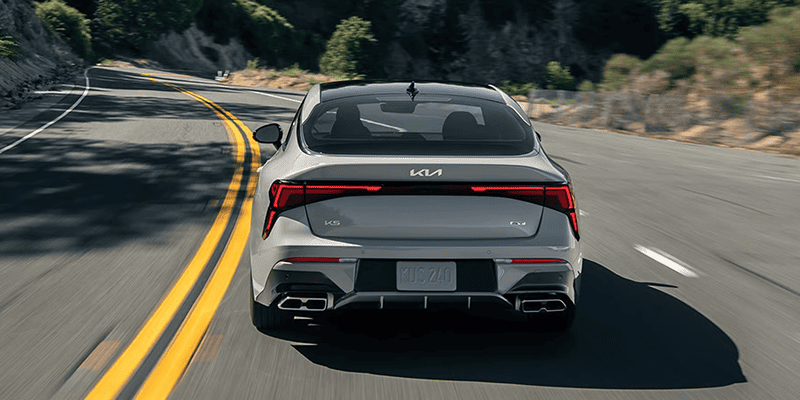
Protecting your vehicle from Florida's extreme summer heat requires a combination of physical solar barriers, routine thermal fluid checks, and regular interior surface conditioning. Parking under physical cover or deploying custom-fit reflective sunshades prevents internal cabin temperatures from climbing past 140°F, preserving dashboard materials and clear-coat finishes. Combined with monthly tire pressure adjustments, proactive battery testing after three years of ownership, and routine air conditioning service, these steps prevent premature heat-induced chemical breakdown across critical vehicle systems.
High ambient temperatures in coastal environments place continuous thermal stress on modern vehicles. When ultraviolet radiation penetrates plain glass, cabin air traps radiant heat, causing surface temperatures on leather seating and plastic dash panels to spike dramatically within minutes. Outdoor parking without solar defense leads to dried-out vinyl, oxidized paint clear coats, and degraded rubber weatherstripping. Protecting an investment requires addressing both physical solar exposure on exterior surfaces and invisible thermal strain on mechanical components.
Establishing an effective seasonal vehicle care routine minimizes unexpected mechanical downtime during peak summer months. Beyond interior preservation, excessive under-hood heat accelerates engine oil oxidation, evaporates battery electrolyte fluid, and increases tire pressure beyond standard operational thresholds. Drivers can reach our service center in New Port Richey or give our team a quick call at (888) 604-4352 to inspect thermal protection components before summer conditions peak.
Why Is Shaded Parking the Most Critical Defense Against Sun Damage?
Shaded parking serves as the primary barrier against automotive sun damage by stopping direct ultraviolet rays and radiant heat energy before they strike interior and exterior surfaces. Solid overhead cover prevents paint oxidation and keeps cabin temperatures from reaching destructive extremes that break down trim adhesives and synthetic materials.
On a typical 80°F summer afternoon, internal cabin temperatures rise to nearly 100°F within 10 minutes and exceed 120°F within an hour. In open parking lots where ambient temperatures reach much higher levels, dark interior panels soak up solar energy until surface temperatures exceed 150°F. Parking inside a garage, under a solid carport, or in dense shade eliminates direct solar loading, slowing down the rate at which plastics lose essential plasticizers.
When covered garage space is unavailable, secondary physical barriers cushion the impact of intense sun exposure. Premium custom-fit car covers constructed from breathable, UV-reflective fabrics safeguard exterior clear coats from sun fading while shielding body panels from airborne contaminants. For custom exterior protection and replacement trim components, drivers can order genuine factory parts through our dedicated parts department. Combining physical shade habits with secondary interior barriers keeps cabin components operational throughout years of suburban coastal driving.
- Primary Overhead Defense: Garages, carports, and covered structures block 100 percent of direct UV radiation.
- Surface Temperature Reduction: Shaded parking keeps dash and seat materials up to 40°F cooler than unshaded surfaces.
- Clear Coat Preservation: Blocking direct solar radiation prevents paint chalking, clear coat peeling, and color fading.
- Secondary Barrier Support: Custom exterior covers shield vehicle paint when permanent structure shading is unavailable.
How Does Extreme Heat Affect Car Batteries, Tires, and Air Conditioning Systems?
Extreme summer heat degrades automotive performance by accelerating chemical breakdown inside 12-volt batteries, increasing internal tire pressures, and overloading air conditioning compressors. Sustained high ambient temperatures evaporate internal battery fluids and cause internal grid corrosion, making heat a primary cause of summer battery failure.
Vehicle batteries operating in hot climates undergo intense internal chemical strain. Industry battery testing data indicates that battery fluid loss accelerates significantly when ambient temperatures surge, often cutting standard battery service lifespans down to two or three years. Proactive battery load testing during routine oil change appointments identifies weak cell output before a sudden starting failure occurs on a hot afternoon.
Pavement temperatures frequently exceed 140°F during peak afternoon hours. Ambient heat causes tire inflation pressure to rise by approximately 1 psi for every 10°F increase in temperature. Running on underinflated tires across hot asphalt creates excessive flexing and internal friction, dramatically increasing the risk of high-speed sidewall blowouts. Checking tire pressures when tires are cold and maintaining factory recommended door-jamb specifications protects tire carcass integrity.
Air conditioning systems also operate under maximum load during summer months. Dust, pollen, and humidity restrict airflow through cabin air filters and external condenser fins, forcing the AC compressor to work harder to cool the cabin. To maintain peak cooling efficiency, vehicle owners can easily schedule a routine service appointment online for a comprehensive climate control inspection, cabin air filter replacement, and system refrigerant pressure test.
What Window Tint Ratings and Solar Rejection Films Protect Your Cabin Best?
Selecting window tint based on Total Solar Energy Rejection ratings provides the maximum reduction of cabin heat and ultraviolet light radiation. High-performance ceramic window films block up to 99 percent of harmful UV rays and reject a substantial percentage of infrared radiation without interfering with electronic device signals.
Evaluating window film performance requires looking beyond visible light transmission levels. Total Solar Energy Rejection measures the combined percentage of ultraviolet radiation, visible light, and solar heat energy deflected away from the vehicle interior. While basic dyed films alter window appearance, advanced ceramic films utilize non-conductive microscopic ceramic particles to absorb and scatter solar thermal energy before it penetrates interior glass.
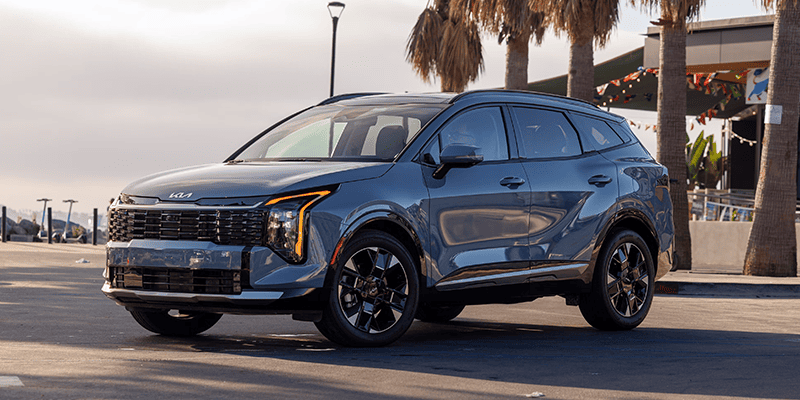
Installing quality solar film preserves interior electronics, digital instrument clusters, and infotainment screens that suffer under heat stress. Excessive heat cycles weaken display solder joints and cloud touch-screen displays over time. Applying ceramic tint across side and rear glass surfaces reduces overall solar load, allowing interior auto-climate features in models like the Kia Telluride or Kia Sportage to achieve set cabin temperatures faster while reducing engine workload.
Are Dashboard Covers and Leather Care Routines Effective Against Cracking?
Molded and fabric dashboard covers effectively prevent dashboard cracking by blocking direct ultraviolet light and lowering surface temperatures on instrument panels. Dash covers act as a thermal buffer that stops vinyl, soft-touch plastics, and structural resins from losing essential flexibility over time.
Prolonged UV exposure and extreme thermal expansion strip moisture from synthetic dashboard materials. As volatile plasticizers evaporate, dash materials become brittle, shrink, and eventually split along stress lines near defrost vents. A tailored dash cover eliminates direct sun exposure across horizontal surfaces, maintaining surface integrity and reducing harsh windshield glare during low-angle morning drives.
Preserving leather seating materials requires a disciplined, multi-step maintenance routine designed to replenish natural oils lost to high humidity and heat:
- Surface Vacuuming: Remove abrasive sand and loose grit from seat seams using a soft brush attachment.
- Dedicated Cleaning: Wipe down seating surfaces with a pH-neutral leather cleaner to open material pores.
- Deep Conditioning: Apply a high-grade leather conditioner containing specialized UV inhibitors every two to three months.
- Protective Wipe-Down: Buff excess product off with a clean microfiber towel to leave a non-greasy, matte protective barrier.
Regular application of leather conditioners keeps natural hide and synthetic SynTex seating soft, preventing surface drying, discoloration, and seam splitting. For vehicles like the Kia Sorento, combining routine upholstery conditioning with custom dash protection maintains long-term cabin comfort and resale value throughout years of daily commuting to Tampa.
Frequently Asked Summer Vehicle Care Questions
Q: Are dashboard covers effective at preventing interior dashboard cracking?
Yes, dashboard covers block direct UV rays and lower surface heat on the instrument panel, preventing vinyl and soft-touch plastics from drying out, shrinking, and cracking. By absorbing radiant solar energy, dash covers preserve internal plasticizers and keep factory dashboards intact throughout years of high heat exposure.
Q: How often should I test my car battery during Florida's summer months?
Vehicle owners should have their battery load-tested twice a year once the unit passes three years of active service. Extreme heat accelerates internal plate corrosion and fluid evaporation, often causing sudden battery failure without prior warning during peak summer months.
Q: How does paint protection film shield paint from summer sun damage?
Paint protection film acts as a clear physical barrier that absorbs high-impact gravel strikes while blocking harmful ultraviolet radiation. Applied across high-exposure areas like the hood, front bumper, and side mirrors, paint protection film stops clear-coat oxidation, bug splat etching, and sun fading.
Q: Why does tire pressure fluctuate so dramatically during hot summer weather?
Tire pressure increases by roughly 1 psi for every 10°F rise in ambient temperature due to air expansion inside the tire. Hot asphalt reaching over 140°F further elevates internal pressures, making monthly cold tire pressure checks essential for maintaining proper tread wear and preventing sudden blowouts.
Q: What emergency assistance benefits cover heat-related breakdowns?
Kia owners benefit from emergency roadside assistance plans backed by warranty coverage. Program benefits include flat tire changes, battery jump-starts, and towing to authorized service centers. Drivers requiring roadside dispatch can reach Kia Roadside Assistance at 1-800-333-4542 for immediate, manufacturer-backed support.
Prices and MSRP referenced in this article are estimates for informational purposes only and do not constitute an offer to sell. See dealer for complete details. Fuel economy estimates shown may differ from official EPA ratings and should not be relied upon as a guarantee of actual vehicle performance.


 Warranties include 10-year/100,000-mile powertrain and 5-year/60,000-mile basic. All warranties and roadside assistance are limited. See retailer for warranty details.