

Today: 9:00AM - 8:00PM
Blog

Home Charging Tips for Kia EV Owners

Home Charging Tips for Kia EV Owners

Setting up home charging for a 2026 Kia EV requires deciding between plugging into a standard 120-volt wall outlet for Level 1 trickle charging or installing a dedicated 240-volt Level 2 charging station on a 40-amp or 50-amp circuit. For most owners, installing a 240-volt Level 2 charging setup delivers the best overall experience, fully replenishing the vehicle's battery overnight in roughly 5 to 8 hours.

Plugging into a standard three-prong wall outlet requires no additional hardware or electrical work, making it an immediate option the day you bring your vehicle home. New Kia electric vehicles typically include a portable 120-volt Level 1 charging cable or a dual-voltage charging cable on select trims. While Level 1 charging is simple, it adds only 3 to 5 miles of range per hour of plug-in time. Drivers with short daily commutes around New Port Richey along the Anclote River corridor often find that overnight Level 1 charging easily covers their routine mileage without modifying their home's electrical panel.

Upgrading to a 240-volt Level 2 charger requires an electrician to evaluate your home panel and install either a dedicated NEMA 14-50 outlet or a hardwired wall box. A Level 2 unit utilizes a 240-volt supply to output significantly higher power, restoring 25 to 35 miles of range per hour. When planning your installation, place the charging station near your vehicle's charge port location and ensure the charging cable reaches comfortably without strain. To explore current electric models or discuss home charging accessories with our team, visit our New Port Richey showroom or give our team a quick call at (888) 604-4352.

What Is the Difference Between Level 1 and Level 2 Home Charging for a Kia EV?

Level 1 home charging operates on standard 120-volt household alternating current (AC) to replenish 3 to 5 miles of range per hour, while Level 2 home charging uses 240-volt AC power to deliver 25 to 35 miles of range per hour.

Level 1 charging relies on the portable charging cord supplied with your vehicle plugged into a standard grounded outlet. Because it draws a continuous 12 amps on a standard household circuit, it provides a slow trickle charge. Replenishing an EV battery from 10% to 100% on Level 1 power can take anywhere from 40 to 60 hours depending on total pack capacity. A Kia owner might rely solely on Level 1 charging because it carries zero upfront equipment or installation costs and easily satisfies daily driving requirements for commuters traveling under 30 miles per day.

Level 2 home charging drastically reduces downtime by leveraging a dedicated 240-volt circuit, similar to what a household electric clothes dryer uses. Models like the 2026 Kia EV6 feature an advanced 800-volt electrical architecture paired with a 10.9 kW onboard charger capable of accepting up to 48 amps on a Level 2 AC supply. On a Level 2 setup, an EV6 with a standard battery can charge from 10% to 100% in about 4 hours 45 minutes.

Choosing between the two charging levels comes down to daily driving distance, schedule predictability, and home infrastructure:

  • Level 1 Charging:

  • Voltage: 120V AC

  • Power Output: ~1.2 kW to 1.9 kW

  • Range Added: 3 to 5 miles per hour

  • Ideal For: Short commutes, low daily mileage, temporary charging needs

  • Level 2 Charging:

  • Voltage: 240V AC

  • Power Output: 7.6 kW to 11.5 kW

  • Range Added: 25 to 35 miles per hour

  • Ideal For: Complete overnight replenishment, longer daily commutes, multi-EV households

Modern Kia EVs also incorporate practical driver-assist features like lane assist and blind spot detection, making daily driving relaxed while Kia's 10-year/100,000-mile warranty provides peace of mind for long-term battery ownership. To see how these systems fit your daily driving, explore our new Kia vehicle inventory.

The recommended home charging setup for a Kia electric vehicle is a wall-mounted Level 2 charging station installed on a dedicated 240-volt, 40-amp or 50-amp circuit breaker. This configuration supplies roughly 7.6 kW to 9.6 kW of continuous power, which fully recharges a Kia EV overnight in 5 to 8 hours.

When paired with a 240-volt Level 2 charger delivering 11 kW of output, a 2026 Kia EV6 replenishes its battery pack from 10% to 100% in under 5 hours for standard battery models and approximately 7 hours for extended-range variants. The 2026 Kia EV6 offers an EPA-estimated range of up to 319 miles on select rear-wheel-drive trims, meaning a single overnight charge provides multiple days of typical driving without visiting public chargers.

For Trinity commuters taking the Suncoast Parkway into Tampa Bay each day, having a Level 2 unit at home eliminates range concerns and allows you to start every morning with a full target charge. While public DC fast chargers can take an EV6 battery from 10% to 80% in about 18 to 20 minutes under ideal conditions, AC home charging remains the gentlest, most convenient way to keep your EV powered.

Recommended installation steps for a Level 2 home setup include:

  1. Request an electrical panel assessment from a licensed electrician to verify adequate service capacity.
  2. Select between a plug-in unit using a NEMA 14-50 outlet or a hardwired wall charger.
  3. Install a dedicated 240-volt circuit breaker (50-amp for plug-in chargers, 60-amp for max 48-amp hardwired chargers).
  4. Configure charge schedules inside the Kia Access app to take advantage of off-peak electric rates.

If you are exploring pre-owned electric choices or plug-in hybrids, browse our pre-owned vehicle lineup to compare models and features.

What Are the Advantages and Maximum Current Permitted on a NEMA 14-50 Outlet?

The maximum continuous charging current permitted on a NEMA 14-50 outlet is 40 amps when connected to a standard 50-amp circuit breaker. Electrical safety codes mandate that continuous electrical loads—defined as devices drawing power continuously for three hours or more—must not exceed 80% of the circuit breaker's rated capacity.

Installing a 240-volt NEMA 14-50 outlet offers several primary advantages for EV owners:

  • Equipment Portability: Plug-in chargers can be unplugged easily and transported if you move to a new home or travel to a location with a compatible outlet.
  • Straightforward Installation: Many homes already have 240-volt outlets or panel space designed for standard 50-amp heavy-appliance receptacles.
  • Lower Upfront Installation Costs: Installing a heavy-duty receptacle can sometimes require less labor time than mounting and hardwiring a permanent charging box.
  • Versatile Utility: The 240-volt receptacle can support other heavy electrical equipment or RV plugs when not in use for vehicle charging.

While a NEMA 14-50 plug-in unit capping draw at 40 amps delivers around 9.6 kW of power, hardwiring a Level 2 station directly into a 60-amp circuit allows the vehicle to draw up to 48 amps continuous power. That hardwired connection utilizes the full potential of Kia's 10.9 kW onboard charger for slightly faster replenishment.

First-time EV shoppers test-driving the EV6 usually ask whether they need to upgrade their home electrical panel before taking delivery, and our service team can help guide you on what electrical details to discuss with your electrician. For routine maintenance or multipoint EV health checks, schedule a service appointment online with our certified team.

What Is the Best Daily Charging Routine and Why Does Charging Slow Down After 80 Percent?

The best daily home-charging routine for a Kia EV with high-nickel lithium-ion battery chemistry is setting the target daily charge limit to 80% and reserving 100% full charges for long-distance road trips. Home charging automatically slows down after reaching 80% state-of-charge because the vehicle's battery management system (BMS) tapers the electrical current to protect cell chemistry and regulate thermal buildup.

Lithium-ion battery cells experience their highest chemical stress when sitting fully charged at maximum voltage (around 4.2 volts per cell). Maintaining a pack continuously at 100% accelerates calendar aging and capacity fade over time. Setting an 80% daily charge limit in your vehicle's infotainment system or through the Kia Access smartphone app keeps the pack inside its optimal operating window during routine driving. When preparing for an extended trip, you can schedule the vehicle to complete its charge to 100% right before your planned departure time so the battery does not sit at maximum voltage for prolonged periods.

In warm climates with elevated ambient temperatures, heat management is essential for battery longevity. Ambient temperatures during summer months increase battery cell heat during charging sessions. Plug in your vehicle during cooler overnight hours in a shaded driveway or garage to allow the active liquid thermal management system to cool the battery efficiently.

Follow these safety precautions when charging your Kia EV at home:

  • Plug portable Level 1 cords directly into a grounded, GFCI-protected wall outlet without using household extension cords or power strips.
  • Periodically inspect wall receptacles and charging plugs for signs of physical wear, discoloration, or loose electrical prongs.
  • Ensure the charging cable hangs freely without kinked cords or heavy tension on the wall outlet.
  • Keep wall charger cords coiled neatly off the floor when not in use to avoid mechanical damage or moisture exposure.

When you are ready to explore purchase options for an electric vehicle, you can submit an online credit application to begin the process.

Common Questions About Kia EV Home Charging

Q: Does Kia include a home charging cable with the purchase of a new EV?

Most new Kia electric vehicles include a portable 120-volt Level 1 charging cable or a dual-voltage cable for basic plug-in charging out of the box. Dedicated 240-volt Level 2 home charging wall stations and professional electrical installation services are sold separately through licensed electricians or recommended installation partners.

Q: What safety precautions should be taken when Level 1 charging a Kia EV?

Level 1 charging requires plugging directly into a dedicated, grounded 120-volt wall outlet equipped with GFCI protection. Never use standard household extension cords, thin gauge wiring, or multi-outlet power strips, as continuous heavy current draw can cause overheating. Periodically inspect the outlet faceplate for discoloration or warm prongs.

Q: Can a standard household wall outlet handle charging every night?

A standard 120-volt household wall outlet can handle nightly Level 1 charging if the circuit is in good condition, properly grounded, and wired with appropriate copper conductors. To avoid tripping circuit breakers, ensure the outlet sits on a dedicated circuit that does not share heavy continuous loads with refrigerator units, air conditioners, or power tools.

Q: How fast does a Kia EV charge on a Level 2 home charger?

On a 240-volt Level 2 home charger supplying 11 kW of power, a Kia EV6 replenishes its battery from 10% to 100% in approximately 5 to 7 hours depending on battery size. A Level 2 unit adds roughly 25 to 35 miles of driving range per hour of charging time.

Q: Why does EV home charging slow down after reaching 80 percent charge?

The vehicle's internal battery management system automatically reduces current past an 80% charge level to protect internal cell health, manage heat generation, and prevent lithium plating on battery anodes. This automated tapering preserves the long-term health and capacity of high-voltage lithium-ion battery packs.

Prices and MSRP referenced in this article are estimates for informational purposes only and do not constitute an offer to sell. See dealer for complete details. Fuel economy estimates shown may differ from official EPA ratings and should not be relied upon as a guarantee of actual vehicle performance.

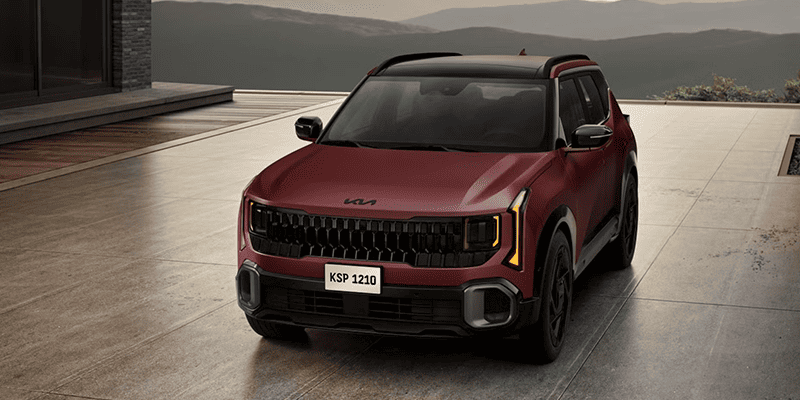
Recommended Posts

Kia Sportage vs. Honda CR-V: Which SUV Is Better for Florida Families?

Kia Sportage vs. Honda CR-V: Which SUV Is Better for Florida Families?

The Kia Sportage is the better overall choice for Florida families, providing more second-row legroom, higher maximum cargo space, superior towing capacity, and a longer warranty at a lower starting MSRP than the Honda CR-V. While the Honda CR-V remains a capable crossover, the Sportage delivers about 39.5 cubic feet of standard cargo volume, up to 2,000 lbs of maximum towing capability, and Kia's 10-year/100,000-mile limited powertrain warranty, offering greater total long-term value for Sunshine State drivers. Choosing between these two compact crossovers comes down to how well each vehicle adapts to daily life in Florida. For residents navigating coastal traffic in New Port Richey, the Sportage offers quick cabin cooling, intuitive touchscreen technology, and efficient engine choices that make hot-weather driving straightforward and stress-free. With a starting MSRP of $32,290 for the feature-packed EX Hybrid AT, the Sportage gives families premium cabin amenities without demanding a luxury price tag. Beyond interior dimensions and pricing, peace of mind on the road is essential when transporting children, sports equipment, or vacation luggage. The Sportage features standard Kia Drive Wise driver-assist technology, including blind spot detection, lane assist, and Forward Collision-Avoidance Assist. When paired with a 5-star overall safety rating from NHTSA, the Sportage provides full confidence whether you are making a quick trip to the grocery store or taking an extended family road trip across the state. Our team at Ken Ganley Kia New Port Richey invites you to visit our showroom to experience the Sportage lineup in person. You can easily get directions to our dealership or give us a quick call to set up a personalized test drive with our sales specialists. How Do the Kia Sportage and Honda CR-V Compare in Rear Legroom, Cargo Space, and Passenger Comfort? The 2027 Kia Sportage delivers superior rear-seat passenger room with 41.3 inches of rear legroom, outspacing the Honda CR-V's 41.0 inches to give growing kids and adult passengers extra breathing room. Front passengers also enjoy 41.4 inches of legroom and 39.6 inches of headroom in the Sportage, creating an open, airy environment that keeps everyone relaxed during long afternoon drives. Cargo utility is another area where the Sportage excels for family duty. Behind the second row, the Sportage holds about 39.5 cubic feet of luggage space, giving you ample room for double strollers, cooler chests, and beach bags. When you fold the 60/40 split-folding rear seats down, total cargo volume expands to about 74 cubic feet (and up to about 74 cubic feet on select gas models). The Honda CR-V Hybrid drops to about 72 cubic feet of maximum cargo volume due to battery placement, giving the Sportage Hybrid a clear advantage when hauling bulky gear. Interior materials in the Sportage are built to withstand heavy family use while maintaining a clean, upscale appearance. Available SynTex leatherette seating offers a soft feel that is easy to wipe clean after trips to the coast or muddy sports practices. The Sportage also features an available smart power liftgate with programmable height adjustment, allowing you to load groceries effortlessly when your hands are full. If you are currently evaluating pre-owned crossover options alongside new models, our sales team maintains an extensive inventory of late-model vehicles. You can explore our current pre-owned vehicle selection online to compare features, mileage, and styling across multiple model years. Which Crossover Beats Florida Heat Better with Climate Control and Cooling Features? The 2027 Kia Sportage handles intense Florida summer heat more effectively by offering ventilated front seats, dual-zone automatic climate control, and dedicated rear-seat air vents across lower trim levels than the Honda CR-V. Rapid cabin cool-down is critical when ambient temperatures exceed 90 degrees, and the Sportage climate control system is engineered to circulate cold air throughout the entire interior immediately after ignition. Perforated SynTex seating surfaces on trims like the EX Hybrid and SX Prestige Hybrid reflect solar heat better than dark traditional leather, helping seats remain cool to the touch even after hours in direct sunlight. Available three-stage ventilated front seats actively pull humidity and warmth away from driver and passenger seatbacks, a feature that Florida commuters appreciate during humid afternoon drives. Kia Connect telematics takes hot-weather convenience a step further by enabling remote engine start with climate pre-conditioning directly from your smartphone. Drivers can set the automatic temperature control to 68 degrees minutes before stepping outside, ensuring the cabin is fully cooled before buckling children into their car seats. Solar control glass on the windshield and front side windows reduces ultraviolet heat penetration, lessening the workload on the air conditioning system during highway travel. How Do Fuel Economy, Hybrid Efficiency, and Towing Capacity Compare Between the Sportage and CR-V? The 2027 Kia Sportage Hybrid achieves an EPA-rated 40 city / 42 hwy / 41 combined MPG in front-wheel-drive models, pairing a 1.6-liter turbocharged 4-cylinder engine with an electric motor to produce a combined 227 horsepower and 258 lb-ft of torque. For drivers seeking maximum efficiency, the Sportage Plug-In Hybrid features a 13.8 kWh battery pack that delivers 83 MPGe combined and an estimated 34 miles of all-electric driving range, allowing many families to complete daily school drop-offs and local errands without using a drop of gasoline. Fuel economy ratings across the 2027 Kia Sportage hybrid and plug-in hybrid lineup reflect precise engineering designed for both city commutes and highway trips: LX Hybrid AT (FWD): 40 city / 42 hwy / 41 combined MPG EX Hybrid AT (FWD): 40 city / 42 hwy / 41 combined MPG EX Hybrid AT AWD: 35 city / 36 hwy / 35 combined MPG S Hybrid AT (FWD): 40 city / 42 hwy / 41 combined MPG S Hybrid AT AWD: 35 city / 36 hwy / 35 combined MPG SX Prestige Hybrid AT AWD: 35 city / 36 hwy / 35 combined MPG X-Line Hybrid AT AWD: 35 city / 36 hwy / 35 combined MPG X-Line PHEV AT AWD: 83 MPGe combined, 34 miles EV range X-Line Prestige PHEV AT AWD: 83 MPGe combined, 34 miles EV range When it comes to towing recreational equipment, the Sportage significantly outperforms the Honda CR-V. Gas-powered Kia Sportage models feature a maximum towing capacity of 2,000 lbs when properly equipped with trailer brakes, easily handling personal watercraft, small utility trailers, or light popup campers for weekend trips to local parks near Trinity. By comparison, the gas Honda CR-V is limited to 1,500 lbs of towing capacity, while the CR-V Hybrid drops to just 1,000 lbs. Does Sportage AWD or CR-V AWD Handle Florida Heavy Rain and Wet Roads Better? The available Active All-Wheel Drive system in the 2027 Kia Sportage provides superior stability during sudden tropical downpours compared to the Honda CR-V's Real Time AWD. Featuring an electro-hydraulic coupling and a center-locking differential, the Sportage AWD system can actively distribute power 50/50 between the front and rear axles at low speeds, preventing front-wheel slip on water-logged asphalt and standing puddles. Rough weather driving requires more than just power distribution; ground clearance and suspension geometry play vital roles when traversing puddled roadways. The Sportage offers up to 8.3 inches of ground clearance on rugged variants like the X-Line and X-Pro, giving drivers added clearance over standing water and road debris. Dedicated drive modes—including Smart, Sport, and Snow/Mud—adjust throttle mapping, transmission shift points, and traction control intervention to maintain directional stability on slippery roads. Complementing the mechanical AWD hardware is a comprehensive suite of active safety electronics. Electronic Stability Control, Vehicle Stability Management, and Downhill Brake Control work together to keep the vehicle balanced when executing sudden evasive maneuvers on rain-slicked highways. High-performance rain-sensing windshield wipers automatically adjust wiper speed based on rainfall intensity, allowing the driver to keep both hands on the wheel during heavy storms. How Do Price, Smart Tech Features, and Warranty Coverage Stack Up for Florida Buyers? The 2027 Kia Sportage offers an exceptionally strong value proposition, starting at an MSRP of $ 30,590 for the LX Hybrid AT and $ 32,290 for the EX Hybrid AT. The higher-tier SX Prestige Hybrid AT AWD comes in at $ 40,690, while the flagship X-Line Prestige PHEV AT AWD reaches $47,390, giving buyers a wide range of price points and equipment levels to match their household budget. Every Kia Sportage comes backed by Kia's industry-leading warranty coverage, offering long-term protection that far surpasses Honda's factory terms: Kia Powertrain Warranty: 10 years / 100,000 miles (vs. Honda's 5 years / 60,000 miles) Kia Basic Bumper-to-Bumper Warranty: 5 years / 60,000 miles (vs. Honda's 3 years / 36,000 miles) Kia Anti-Perforation Warranty: 5 years / 100,000 miles Kia Roadside Assistance Plan: 5 years / 60,000 miles Inside the cabin, technology is centered around dual 12.3-inch panoramic display screens that seamlessly integrate the digital instrument cluster and infotainment system. Standard wireless Apple CarPlay and Android Auto allow drivers to project navigation maps and music apps without tangled charging cables. Safety technology is equally robust, with standard blind spot detection, lane assist, Rear Cross-Traffic Collision-Avoidance Assist, and Safe Exit Warning protecting passengers as they enter and exit the vehicle. To explore available colors, package options, and current dealer offers on the Sportage lineup, feel free to browse our new Kia inventory selection today. What Florida Buyers Ask Most When Comparing the Kia Sportage and Honda CR-V Q: How does the plug-in hybrid charging process work for families commuting daily in Pasco County? The 2027 Kia Sportage Plug-In Hybrid features a 7.2 kW onboard charger that recharges its 13.8 kWh battery in approximately 2.0 hours when connected to a 240V Level 2 charger. For standard 120V household outlets, a full charge takes roughly 11.0 hours overnight. With 34 miles of all-electric range, most drivers can handle daily errands on battery power alone before the 1.6-liter turbocharged gas engine seamlessly engages for longer trips. Q: What driver-assist safety features come standard on the base Sportage compared to the CR-V? Every 2027 Kia Sportage comes standard with Kia Drive Wise, which includes Forward Collision-Avoidance Assist with pedestrian and cyclist detection, lane assist, lane-following assist, Driver Attention Warning, and Rear Park Distance Warning. Many of these features, along with available blind spot detection, carry NHTSA's 5-star overall safety rating credentials for maximum occupant protection. Q: Does the Kia Sportage offer higher ground clearance for water-puddled roads than the Honda CR-V? Yes, select 2027 Kia Sportage models—specifically the X-Line and X-Pro trims equipped with Active All-Wheel Drive —provide 8.3 inches of ground clearance. This higher ride height gives drivers greater capability when navigating standing water, uneven unpaved roads, or steep driveway transitions compared to standard compact crossovers with lower clearance. Q: How long does the online finance pre-approval process take before visiting the dealership? Completing an online finance application takes only a few minutes through our secure web portal. Our finance specialists review your submission immediately to present transparent loan terms, flexible payment options, and competitive rates tailored to your budget. You can quickly submit an online credit application from home to save time before stopping by our showroom. Q: What synthetic seating materials does Kia use to keep the cabin cool under intense sunlight? Kia utilizes premium SynTex leatherette upholstery on trims like the EX Hybrid and SX Prestige Hybrid. SynTex is engineered to resist heat absorption and UV breakdown, keeping seat cushions noticeably cooler than traditional dark leather. Combined with available three-stage ventilated front seats and dual-zone climate control, the cabin remains comfortable even during extreme summer heatwaves. Prices and MSRP referenced in this article are estimates for informational purposes only and do not constitute an offer to sell. See dealer for complete details. Fuel economy estimates shown may differ from official EPA ratings and should not be relied upon as a guarantee of actual vehicle performance.
Soul Owners in New Port Richey: Why Buy a Seltos

Soul Owners in New Port Richey: Why Buy a Seltos

Upgrading from a Kia Soul to a 2026 Kia Seltos is worth it for drivers in New Port Richey who want available all-wheel drive, superior highway refinement, and expanded cargo flexibility without sacrificing fuel economy or manageable city dimensions. The 2026 Kia Seltos builds on the hatchback practicality of the Soul by adding an extra about 2 cubic feet of rear cargo space, an available 1.6-liter turbocharged four-cylinder engine making 190 horsepower, and standard or available all-wheel drive across every trim level. For years, the Kia Soul has served drivers across New Port Richey as a reliable, easy-to-park daily driver with distinctive styling. However, when daily driving demands better traction on wet coastal roads or a quieter cabin during high-speed travel on US-19, moving into a subcompact crossover SUV becomes a logical next step. The 2026 Kia Seltos bridges the gap between urban agility and true crossover capability, giving current hatchback owners a natural upgrade path. Moving up to the Seltos brings a standard 2.0-liter four-cylinder engine producing 147 horsepower and 132 lb-ft of torque paired with an Intelligent Variable Transmission ( Smart Stream IVT). For drivers seeking a peppier acceleration curve, upper trim options feature the turbocharged 1.6-liter unit mated to an 8-speed automatic transmission, providing strong passing power on highway merges. Long-term peace of mind remains intact during this trade-in process, as Kia protects the 2026 Seltos with the same 10-year/100,000-mile powertrain warranty and 5-year/60,000-mile limited basic warranty that Soul drivers have come to depend on. If you are evaluating your current vehicle's trade value or planning a test drive, give our team a quick call or stop by our New Port Richey showroom location to compare both models in person. What Are the Size, Exterior Dimensions, and Cargo Space Differences Between the Soul and Seltos? The 2026 Kia Seltos is approximately seven inches longer and nearly an inch wider than the Kia Soul, translating directly into a larger maximum cargo footprint of about 63 cubic feet and increased cabin shoulder room. Behind the upright second row, the Seltos provides about 27 cu ft of luggage volume compared to the Soul's about 24 cubic feet, allowing families to load larger strollers, cooler boxes, or golf bags without folding down passenger seats. The physical footprint of the 2026 Kia Seltos measures roughly 172.2 inches in total length with a 103.5-inch wheelbase. By contrast, the Soul comes in at about 165.2 inches long on a 102.4-inch wheelbase. That extended platform allows the Seltos to offer 38.0 inches of legroom for rear-seat passengers alongside wider shoulder clearance, making it easier for dual-income households to accommodate teenagers or adult guests in the back row. Weight specifications vary across the lineup depending on the chosen drivetrain. Front-wheel-drive configurations like the LX FWD, S FWD, and EX FWD feature a light curb weight of 2,937 lbs with payload capacities ranging between 1,032 lbs and 1,275 lbs. Opting for all-wheel drive brings the curb weight to 3,109 lbs on models like the LX AWD, S AWD, and EX AWD, while the top-tier SX AWD comes in at 3,248 lbs with a 1,008 lbs payload capacity. Cargo Behind Row 2: about 27 cu ft in the Seltos versus about 24 cu ft in the Soul Maximum Cargo: Up to about 63 cu ft with rear seats folded flat Overall Length: 172.2 inches for a planted feel during suburban trips around Trinity Ground Clearance: Up to 7.3 inches for confidence over speed bumps and standing water When local families compare both vehicles on our showroom floor, they usually notice that while the Soul offers a generous upright seating angle, the Seltos delivers a noticeably wider cabin layout that feels much closer to a midsize SUV. You can explore our selection of new Kia inventory to review exterior trim finishes and tailgate openings side-by-side. How Does the Price of a 2026 Kia Seltos Compare to a Kia Soul? The 2026 Kia Seltos starts at a base MSRP of 23,790 fortheentry-level LXFWD,representingamodestpricestepabovethebaseKiaSoulthatreflectsitslargervehicleplatform,addedinteriorspace,andelevatedgroundclearance.Acrosstheentiremodelrange,astandarddestinationchargeof 1,495 applies to all trim builds. Choosing the right Seltos configuration depends on your budget priorities and feature preferences. The LX AWD carries an MSRP of $24,990, giving buyers access to all-weather surface control for just 1,200overthebasefront-wheel-drivevariant.Mid-gradetrimsincludethe SFWD at 25,490 and the S AWD at 26,990,addinglargerwheels,roofrails,andenhanceddriver-assistamenities. Forbuyersseekingleatheretteupholsteryandadvancedclimatecontrols,the EXFWD startsat 26,490, while the EX AWD comes in at 28,690.Theline-topping SXAWD islistedat 31,490, incorporating the punchy 1.6-liter turbocharged engine, a premium Bose sound system, and full panoramic display technology. Value-conscious shoppers who prefer trading in a current hatchback can review our pre-owned vehicle lineup or speak with our sales advisors to structure competitive trade allowances. As the #1 Volume Kia dealer in Tampa, our higher sales volume allows us to offer clear pricing information for a variety of households. Does the 2026 Kia Seltos Offer Better Driver Visibility and Highway Quietness Than the Soul? The 2026 Kia Seltos delivers a higher command seating position and elevated eye-line compared to the Kia Soul, providing superior forward visibility over traffic and reduced wind noise during high-speed highway travel. Additional acoustic cabin insulation and refined aerodynamic door seals help lower interior sound levels, making long drives along the Suncoast Parkway significantly quieter. Because the Kia Soul utilizes a tall, boxy rear pillar design, rear quarter visibility can sometimes feel restricted when changing lanes in heavy traffic. The Seltos features a longer rear glass side window and a wider backup camera display with dynamic parking lines, giving drivers greater confidence when backing out of tight parking stalls. In terms of fuel efficiency, the Seltos matches its quieter ride with economical consumption figures. Front-wheel-drive models powered by the 2.0-liter engine achieve EPA estimates of 28 mpg city / 34 mpg highway ( 31 mpg combined). Equipping all-wheel drive alters fuel economy slightly to 27 city / 31 hwy mpg ( 28 mpg combined), maintaining high value for commuters commuting to Tampa every day. The performance-minded SX AWD trim with its turbocharged engine returns 25 mpg combined. Elevated Command View: Higher seating position improves forward road vision Highway Acoustic Package: Sound-dampening insulation reduces road roar at 65 mph Base FWD Efficiency: EPA-rated 31 mpg combined for efficient commuting AWD Fuel Economy: 27 city / 31 hwy mpg for all-weather confidence without heavy fuel penalties Drivers who want to establish clear monthly budget targets before visiting the dealership can complete an online credit pre-qualification in just a few minutes. What Interior Tech Features Does the 2026 Kia Seltos Offer Over the Kia Soul? The 2026 Kia Seltos offers an available dual 10.25-inch panoramic display screen unit that seamlessly bridges the digital instrument cluster with the central infotainment system, presenting a far more modern dashboard architecture than the standard Soul cabin. Passengers also gain access to available Digital Key 2 Touch functionality, an available Bose premium audio system, and standard wireless smartphone integration on base display screens. While the Kia Soul includes an intuitive touchscreen interface, the Seltos elevates daily convenience through expanded Kia Connect telematics. Drivers can remotely start the vehicle, adjust cabin temperature settings, or locate their parked SUV directly from a compatible smartphone app. Multi-device connectivity is integrated throughout the cabin layout: Dual 10.25-Inch Screens: High-resolution panoramic displays for navigation and driver metrics Smartphone Integration: Standard Apple CarPlay and Android Auto connectivity Wireless Charging: Available inductive phone charging pad positioned in the front console USB-C Ports: Fast-charging ports provided for both front and rear outboard passengers Digital Key Technology: Lock, unlock, and start the Seltos using a compatible smartphone These cabin updates ensure that Gen X drivers and tech-conscious Millennials enjoy simple, straightforward technology without dealing with overly complex menu structures during their daily commute. What Safety Features Are Included in Kia Drive Wise on the Seltos? The Kia Drive Wise suite on the 2026 Kia Seltos includes Forward Collision-Avoidance Assist, Lane Keeping Assist, lane assist, Blind-Spot Collision Warning, blind spot detection, Rear Cross-Traffic Collision Avoidance, and Safe Exit Warning as standard or available safety systems. These driver-assist systems work together using front radar sensors and cameras to help support driver awareness. In independent safety evaluations, the 2026 Kia Seltos earned a 5-star overall crash-test safety rating from the National Highway Traffic Safety Administration (NHTSA), receiving top 5-star marks in frontal driver barrier testing, side barrier impact tests, and side pole protection. This crash-test recognition provides tangible peace of mind for families transporting children to local school drop-offs or weekend sports activities. Key Kia Drive Wise active safety technologies include: Forward Collision-Avoidance Assist: Detects cars or pedestrians ahead and applies automatic emergency braking if an impact risk is detected. Blind-Spot Collision Warning: Monitors blind spots and alerts the driver with visual and audible cues before changing lanes. Rear Cross-Traffic Collision Avoidance: Scans for approaching vehicles when backing out of driveways and applies brakes if necessary. Lane Keeping Assist: Provides gentle steering inputs to keep the vehicle centered within marked highway lanes. Smart Cruise Control with Stop & Go: Maintains a set distance from the car ahead during stop-and-go highway traffic jams. These advanced driver-assist systems function smoothly without triggering jarring or false alerts, giving drivers proactive safety protection on every trip. Safety & Driver Assistance Safety and driver-assistance features by trim All trims, including EX AWD, EX FWD, LX, LX AWD, S AWD, S FWD, and SX AWD, come standard with ABS, Isofix preparation, and height-adjustable head restraints for the front seats, which are equipped with two head restraints per trim. Each trim features three head restraints for the rear seats; however, height-adjustable rear head restraints are standard on EX AWD, EX FWD, S AWD, S FWD, and SX AWD but are added on LX and LX AWD. Seat belts at all positions come standard with pre-tensioners and height adjustment for the front driver and passenger seats, as well as three-point 3-center rear seat belts. Emergency call functionality is available as standard on all trims except for LX and LX AWD, where it is added on. An accident data recorder is standard across all trims. The anti-collision system, which activates brake lights and includes automatic emergency braking that operates at low speeds and in pedestrian and cyclist avoidance modes, is standard throughout. All trims feature a driver monitor as part of the anti-collision system. The anti-collision system's manufacturer's name is Forward Collision Avoidance-Assist for EX AWD, EX FWD, LX, LX AWD, S AWD, and S FWD. SX AWD upgrades to Highway Driving Assist (HDA) while maintaining the same activation speeds, starting at 5 mph and operating below 30 mph, above 30 mph, and above 78 mph consistently across all trims. Common Questions From Soul Owners Upgrading to the 2026 Kia Seltos Is the 2026 Kia Seltos bigger than the Kia Soul? Many Soul owners are surprised to learn that the 2026 Kia Seltos offers significantly more interior space and a higher seating position, enhancing comfort and visibility. This larger platform increases maximum cargo volume to about 63 cubic feet and provides about 27 cubic feet of storage space behind the rear seats. Does the 2026 Kia Seltos come with all-wheel drive? Yes, all-wheel drive is available across the entire 2026 Kia Seltos lineup and comes standard on the SX AWD trim level. Front-wheel drive remains standard on LX FWD, S FWD, and EX FWD trims. What engine options are available in the 2026 Kia Seltos? The Seltos comes standard with a 147-horsepower 2.0-liter four-cylinder engine paired with a Smart Stream IVT. Upgrading to the SX AWD trim provides a 1.6-liter turbocharged four-cylinder producing 190 horsepower and 195 lb-ft of torque mated to an 8-speed automatic transmission. What warranty coverage comes with a new 2026 Kia Seltos? Every new 2026 Kia Seltos includes Kia's 10-year/100,000-mile powertrain warranty, a 5-year/60,000-mile limited basic warranty, a 5-year/100,000-mile anti-perforation warranty, and a 5-year/60,000-mile roadside assistance plan. How does the gas mileage on a Seltos compare to the Soul? The 2.0-liter front-wheel-drive Seltos achieves an EPA-estimated 28 mpg city / 34 mpg highway ( 31 mpg combined), which closely matches the fuel economy of the Kia Soul while offering a larger cabin and higher ground clearance. Prices and MSRP referenced in this article are estimates for informational purposes only and do not constitute an offer to sell. See dealer for complete details. Fuel economy estimates shown may differ from official EPA ratings and should not be relied upon as a guarantee of actual vehicle performance.

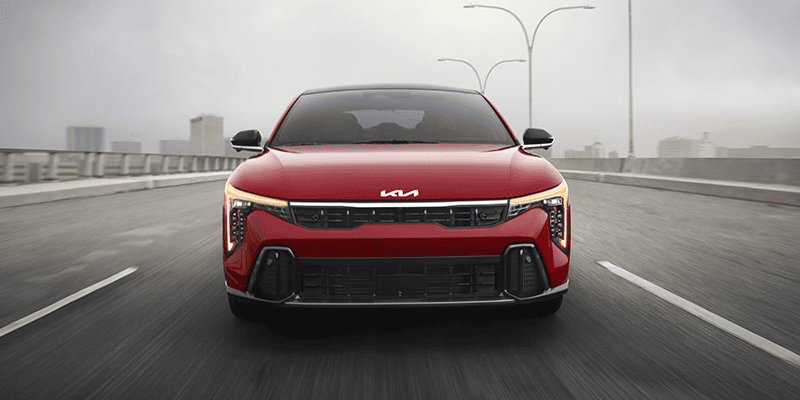
Kia K4 vs. Honda Civic: Which Sedan Offers More Value? post

Kia K4 vs. Honda Civic: Which Sedan Offers More Value?

The Kia K4 delivers significantly higher value than the Honda Civic by offering a lower starting MSRP, superior standard technology, more rear legroom, and double the powertrain warranty length. While the Honda Civic maintains a solid reputation, the upcoming 2027 Kia K4 and current model year iterations provide a larger standard 12.3-inch touchscreen, standard wireless Apple CarPlay, and Kia’s 10-year/100,000-mile warranty at an entry price point thousands of dollars below a comparable Civic trim. When comparing compact sedans for daily driving, total cost of ownership extends far beyond the initial sticker price. The Kia K4 enters the market with a starting price around $22,190 for the entry LX trim, whereas the base Honda Civic sedan typically starts in the mid- $24,000 range. Across every comparable trim level, Kia equips the K4 with features that are either optional or entirely unavailable on equivalent Civic models, including standard wireless smartphone integration and an available 30-inch digital cockpit display. For buyers evaluating long-term reliability and budget protection, warranty coverage remains one of the strongest arguments for choosing Kia. Every new K4 includes a 5-year/60,000-mile basic limited warranty and a 10-year/100,000-mile limited powertrain warranty. Honda offers a standard 3-year/36,000-mile basic warranty and a 5-year/60,000-mile powertrain warranty. That extra 5 years and 40,000 miles of factory powertrain protection provides essential financial reassurance against unforeseen mechanical repairs. Whether navigating daily coastal traffic or planning weekend highway trips, drivers seeking maximum standard features per dollar will find the Kia K4 a compelling compact sedan. You can drop by our New Port Richey showroom address to explore vehicle features in person, or give our friendly team a quick call to learn more about upcoming arrivals. Comparing Starting Prices and Warranty Value Between the Kia K4 and Honda Civic Kia offers a 10-year/100,000-mile powertrain warranty on the K4, far exceeding the Civic's coverage and enhancing its overall value. With an entry MSRP starting around $22,190 for the LX trim and topping out near $28,390 for the performance-oriented GT-Line Turbo, the K4 provides a price advantage of roughly $2,000 to $3,000 over corresponding Honda Civic configurations. A detailed look at the trim lineup reveals how much content Kia packages into accessible price tiers: LX Trim: Features a standard 2.0-liter 4-cylinder engine with 147 hp, a 12.3-inch touchscreen, wireless Apple CarPlay and Android Auto, and Lane Following Assist. LXS Trim: Adds essential driver-assistance tech including blind spot detection, Rear Cross-Traffic Collision-Avoidance Assist, and Safe Exit Warning. EX Trim: Upgrades cabin ambiance with dual-zone automatic climate control, a wireless phone charger, 17-inch alloy wheels, and a dual digital instrument cluster display. GT-Line Trim: Introduces sport styling, 18-inch alloy wheels, an independent rear suspension, a 10-way power driver seat with 2-way power lumbar support, and available ventilated front seats. GT-Line Turbo Trim: Upgrades performance with a 1.6-liter turbocharged 4-cylinder generating 190 hp and 195 lb-ft of torque, mated to a quick-shifting 8-speed automatic transmission. In comparison, the Honda Civic base LX trim begins near the mid- $24,000 mark and relies on a standard 7-inch touchscreen display. To access features like power driver seating, larger displays, or upgraded audio in the Civic lineup, buyers must move up to higher trim tiers like the EX-L or Touring, pushing purchase prices well above comparable K4 models. Beyond initial pricing, total financial value heavily favors Kia due to warranty coverage. Honda’s factory warranty expires after 3 years or 36,000 miles for bumper-to-bumper coverage and 5 years or 60,000 miles for the powertrain. Kia’s 10-year/100,000-mile warranty covers critical engine and transmission components for twice as long, drastically reducing ownership risk over a 5-to-10-year holding period. If you are comparing new and pre-owned options, feel free to browse our pre-owned vehicle inventory to see how Kia models retain their long-term appeal. Comparing Interior Dimensions, Trunk Capacity, and Seat Comfort in the K4 and Civic Rear legroom in the Kia K4 measures 38.3 inches, surpassing the Honda Civic and ensuring greater passenger comfort. Offering 38 inches of rear legroom against the Civic's 37 inches, the K4 delivers midsize-sedan roominess in a compact footprint, making it ideal for carpooling adults or fitting rear-facing child safety seats. Interior spatial specifications highlight the practical dimensional advantages of both sedans: Interior Specification Kia K4 Sedan Honda Civic Sedan Front Headroom 39.0 in 39.3 in Front Legroom 42.3 in 42.3 in Rear Legroom 38.0 in 37.4 in Trunk Cargo Volume 14.6 cu ft 14.8 cu ft Wheelbase 107.1 in 107.7 in Trunk capacity measures roughly 15 cubic feet in both vehicles, easily accommodating four large suitcases or a week’s worth of family groceries. The Kia K4 enhances cargo utility with a wide trunk opening and convenient rear-seat back release handles located near the cargo opening, allowing you to fold the 60/40-split rear seat without walking around to the side doors. Seat comfort and adjustment options also favor the K4 on upper trims. The GT-Line trim features an available 10-way power driver seat complete with 2-way power lumbar support and memory settings. In warm Florida climates, the K4 offers available ventilated front seats—a luxury feature typically absent from compact sedans in this price category. When families inspect compact sedans on our showroom floor, they usually test the rear-seat legroom with adult passengers and evaluate car-seat anchor accessibility before checking trunk dimensions. Infotainment Technology, Highway Cabin Noise, and Maneuverability Compared The Kia K4 leads the compact class in cabin technology by offering a standard 12.3-inch infotainment system display, compared to the standard 7-inch unit found in entry-level Honda Civic models. Kia's user-friendly interface includes standard wireless Apple CarPlay and Android Auto across all trims, eliminating messy charging cables on the center console. Technology, driver visibility, and maneuverability differences include: Digital Cockpit Displays: Upper K4 trims feature a sweeping combined digital display panel spanning nearly 30 inches, integrating instrument gauges, climate controls, and navigation into one seamless glass unit. Driver-Assist Features: The K4 comes standard with Forward Collision-Avoidance Assist, Lane Keeping Assist, and Lane Following Assist. Higher trims add Highway Driving Assist and a 360-degree Surround View Monitor for effortless parking in tight spots. Cabin Acoustic Insulation: To minimize road and wind noise at highway speeds, Kia equipped the K4 with an acoustic laminated windshield and enhanced floor insulation, creating a quiet cabin environment that rivals top class contenders. Visibility & Maneuverability: The Honda Civic offers excellent forward sightlines thanks to low cowl lines and thin roof pillars. However, the K4 counters with a wide back-up camera field of view, available Blind-Spot View Monitor side-camera feeds, and precise power steering that makes tight suburban turning simple. For daily suburban driving around New Port Richey, the combination of crisp digital camera views, quiet cabin sound insulation, and responsive infotainment makes the K4 an dependable daily driver. Why Reviewers Rank the Kia K4 High for Daily Commuters and Value Seekers Automotive reviewers consistently praise the Kia K4 for delivering high-end vehicle technology, impressive passenger space, and strong visual character at a budget-conscious price point. By replacing the former Forte with a wider, longer platform, Kia created a compact sedan that delivers upscale refinement without the traditional compact price tag. Key reasons reviewers highlight the K4 over established rivals include: Unmatched Tech Value: Offering a 12.3-inch display as standard equipment sets a new benchmark for base trim expectations in the compact class. Generous Fuel Efficiency: The standard 2.0-liter 4-cylinder engine paired with an Intelligent Variable Transmission achieves EPA-estimated ratings of 30 mpg city / 40 mpg highway / 34 mpg combined, providing excellent range for daily travel. Distinctive Styling: Sharp vertical LED headlights, hidden rear door handles integrated into the C-pillar, and bold exterior creases give the K4 a sporty profile that stands out among traditional four-door shapes. Low Ownership Costs: Combining high fuel efficiency, long warranty coverage, and low initial acquisition cost gives budget-conscious drivers maximum financial predictability over years of driving. For commuters driving along the Suncoast Parkway from Trinity into the broader Tampa Bay area, the K4 offers a quiet, relaxed highway ride with adaptive cruise control and steering assist systems that take the stress out of daily travel. Common Buyer Questions About the Kia K4 and Honda Civic Q: How does the powertrain warranty on the Kia K4 compare to the Honda Civic? The Kia K4 comes with Kia’s 10-year/100,000-mile warranty for limited powertrain protection and a 5-year/60,000-mile limited basic warranty. The Honda Civic offers a 3-year/36,000-mile basic warranty and a 5-year/60,000-mile powertrain warranty. Kia provides double the powertrain coverage duration and mileage limit of Honda, offering significant long-term protection against unexpected mechanical expenses. Q: What safety features come standard on the Kia K4 compared to base Civic models? The Kia K4 comes standard with Forward Collision-Avoidance Assist with pedestrian and cyclist detection, Lane Keeping Assist, Lane Following Assist, Driver Attention Warning, and rear side airbags for a total of eight airbags. Available safety upgrades on mid-tier trims include blind spot detection, Rear Cross-Traffic Collision-Avoidance Assist, and Highway Driving Assist. Q: Is the Kia K4 available as a hatchback or only as a sedan? The Kia K4 launches primarily as a four-door sedan, with a versatile five-door hatchback body style joining the lineup. The hatchback variant shares the same engine choices, warranty terms, and tech features as the sedan while providing expanded rear cargo capacity for bulkier gear and weekend luggage. Q: Does the Kia K4 offer wireless Apple CarPlay and Android Auto across all trims? Yes, wireless Apple CarPlay and Android Auto come standard on every Kia K4 trim level. The Honda Civic includes wireless smartphone integration only on select upper-tier trims, requiring a physical USB cable connection on lower and mid-level models. Q: How quickly can I get pre-approved for financing on a new Kia K4? You can complete an online credit application in just a few minutes from home. Our finance team works with competitive lending partners to structure flexible terms tailored to your budget. You can easily apply for financing online to secure your pre-approval before visiting our showroom. Prices and MSRP referenced in this article are estimates for informational purposes only and do not constitute an offer to sell. See dealer for complete details. Fuel economy estimates shown may differ from official EPA ratings and should not be relied upon as a guarantee of actual vehicle performance.