

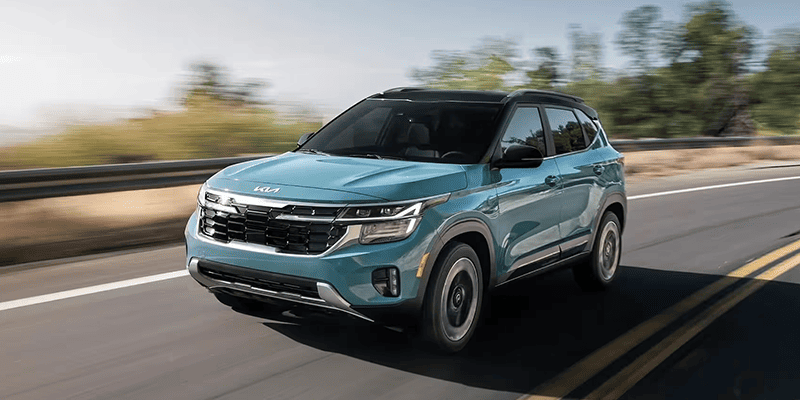
Heavy rain sharply reduces brake safety by creating a liquid barrier between tire rubber and asphalt while washing water into brake assemblies. Water temporarily lubricates the friction surface between brake pads and rotors, while standing water drastically increases hydroplaning risks and extends stopping distances by up to 50 percent on wet pavement.
When a sudden downpour hits, water coats the brake rotors and friction pads. This thin layer of surface liquid delays initial pedal engagement because hydraulic pressure must first sweep water off the spinning rotor before full friction takes hold. On wet pavement, tires worn down to the U.S. legal minimum of 2/32 inch tread can require roughly 30 to 50 percent longer stopping distance than new tires. A vehicle that stops in about 150 feet on dry roads can easily require more than 200 feet during heavy rain when tread depth drops to wear bars.
Modern driver-assist technology works in tandem with fundamental mechanical braking. Features like blind spot detection and lane assist provide driver awareness when visibility drops during tropical storms, helping drivers maintain lane alignment when traffic slows unexpectedly. However, driver aids cannot bypass physical limitations when water sits on rotor faces or roads.
Checking brake component thickness and tire condition before wet weather arrives keeps your stopping power predictable. Drivers needing a comprehensive brake evaluation can visit our New Port Richey service center location or give our team a quick call to speak with a factory-trained technician.
How Do Heat, Coastal Humidity, and Rain Combine to Wear Down Brakes in Florida?
The combination of intense heat, high coastal humidity, and frequent summer rain creates a harsh environment that accelerates brake component corrosion and fluid breakdown. Sustained ambient warmth bakes rubber seals, coastal salt air corrodes metal caliper slides, and humid air introduces moisture into hygroscopic brake fluid reservoirs.
High temperatures during peak summer months generate immense thermal friction during routine stopping. When a hot brake rotor encounters sudden rainwater, the immediate cooling effect creates severe thermal shock. Over time, these rapid temperature fluctuations cause microscopic surface fractures or rotor warping, which manifests as pedal pulsation during application. Coastal dampness further accelerates surface oxidation. Cast-iron rotors left sitting overnight after a rainstorm routinely develop flash rust on the disc face, causing brief scraping noises during the first few stops of the morning.
Humidity plays an equally destructive role within the hydraulic system itself. Standard glycol-based brake fluid is hygroscopic, meaning it continuously absorbs airborne water vapor over time. In coastal regions where humidity remains elevated year-round, absorbed moisture accumulates inside brake lines and master cylinders. This moisture lowers the boiling point of the brake fluid significantly. Under heavy braking, wet fluid can boil prematurely, converting liquid into compressible steam pockets that result in a spongy pedal feel.
Corrosion also targets mechanical hardware. Salt air and rain runoff enter caliper slide pins, anti-rattle clips, and parking brake cables. Without proper lubrication and protection, rusted caliper pins bind, causing brake pads to drag against the rotor continuously. Dragging pads build extreme heat, uneven pad wear, and reduced fuel efficiency. Replacing degraded hardware through our genuine Kia parts department ensures caliper assemblies float freely and pad surfaces contact rotors evenly.
Why Does Standing Water on US-19 Cause Brake Fade, Sponginess, and Longer Stopping Distances?
Standing water on high-speed roadways creates immediate hydroplaning risks while temporarily quenching brake rotor heat, coating friction surfaces in a water layer that delays pedal response. Deep puddles force water directly between friction materials, causing temporary wet brake fade and extending stopping distances significantly.
Heavy rain on US-19 in New Port Richey often leads to localized pooling across multi-lane stretches. Driving through standing water at 45 to 55 miles per hour forces water into the tiny gaps between brake pads and rotor discs. Water acts as a temporary lubricant, lowering the friction coefficient until pad pressure and kinetic heat vaporize the liquid layer. Until that heat builds, drivers experience a brief delay in stopping power commonly referred to as wet brake fade.
When drivers mention a spongy brake pedal after navigating heavy downpours, our service technicians examine the brake fluid for water absorption before inspecting pad thickness, as boiling moisture in contaminated fluid creates air pockets under hard pedal pressure. Deep puddles can also submerge wheel hubs briefly, exposing worn caliper boots or cracked brake lines to direct water intrusion.
Safety guidelines emphasize maintaining tire tread depth to preserve wet stopping control. Independent testing reveals that passenger vehicles on tires worn down to 2/32 inch tread can take up to 87 feet longer to stop on wet roads compared to vehicles riding on 4/32 inch tread. While standard antilock braking systems (ABS) modulate brake line pressure to prevent wheel lockup, no electronic safety system can restore traction if tire tread cannot channel standing water away from the road surface.
What Warning Signs Show Your Brakes Are Unsafe for Wet Roads and Heavy Downpours?
Critical warning signs that your brakes are unsafe for heavy rain include high-pitched squealing or grinding noises, a brake pedal that feels soft or sinks toward the floorboard, steering wheel vibration, and a noticeable pulling sensation to one side when stopping. Any delay in pedal bite during wet weather signals an urgent need for professional maintenance.
Identifying braking issues early prevents minor component wear from turning into complete system failure during severe weather. Watch for these clear indicators:
- High-pitched squealing or harsh metallic grinding during pedal application, indicating worn pad friction linings or metal backing plate contact.
- A soft or spongy brake pedal that requires excessive travel or pump action to slow the vehicle, pointing to air or absorbed moisture inside hydraulic lines.
- Steering wheel shudder or pedal pulsation when braking from speed, caused by warped brake rotors or uneven pad material transfers.
- Vehicle pulling toward one side during hard stops, signaling a stuck caliper slide pin, uneven friction wear, or restricted hydraulic flow.
- Active dashboard warning indicators, such as the ABS light or main brake system warning light.
Ignoring these warning signs increases stopping distances dramatically during sudden summer storms. Worn pads hold less heat, encouraging surface glazing when wet, while degraded brake fluid risks hydraulic vapor lock during emergency maneuvers.
Regular multi-point checks ensure your vehicle maintains factory stopping specifications. Kia builds exceptional confidence into every vehicle on the road, backed by Kia’s 10-year/100,000-mile warranty powertrain protection. Keeping friction components, fluid quality, and tire tread within recommended margins guarantees your vehicle responds predictably when rain arrives.
Frequently Asked Questions About Rain Driving and Brake Maintenance
Q: How do you safely dry wet brakes while driving after going through a puddle?
To dry wet brake pads and rotors after driving through standing water, apply light, steady pressure to the brake pedal for a few seconds while moving at a low speed in a clear lane. This gentle friction generates localized heat that quickly evaporates trapped surface moisture, restoring full pad friction and responsive pedal bite before you need to make an emergency stop.
Q: How often should brake fluid be changed in high-humidity coastal areas?
In high-humidity environments, brake fluid should be tested and flushed every two to three years or according to your owner manual schedule. Standard glycol brake fluid is hygroscopic and continually pulls water vapor from humid air. Moisture accumulation lowers the fluid boiling point and causes internal corrosion, leading to soft pedal response during hard stopping.
Q: What is the recommended following distance when driving in heavy Florida downpours?
Safety experts advise increasing your following distance to at least six seconds during heavy downpours. Rain-slicked asphalt reduces tire adhesion and wet brake pads require a fraction of a second to clear surface water, making extra space essential for avoiding sudden tailgating collisions when traffic slows down abruptly.
Q: Can driving through deep street puddles cause permanent damage to brake rotors?
Splashing through deep standing water with hot brakes can cause thermal shock, where rapid cooling warps the cast-iron metal. Thermal shock creates lateral runout in the rotor disc, which results in persistent steering wheel vibration, pedal pulsing, and uneven pad wear that requires rotor resurfacing or complete replacement.
Q: How does tire tread depth directly affect brake performance during heavy rain?
Tread grooves act as channels that pump water away from the contact patch where rubber meets asphalt. When tread wear drops below 4/32 inch, water cannot clear fast enough, forcing the tire to ride on a liquid film. Hydroplaning prevents braking force from transferring to the road surface, regardless of how hard pad friction clamps against the rotor.
Prices and MSRP referenced in this article are estimates for informational purposes only and do not constitute an offer to sell. See dealer for complete details. Fuel economy estimates shown may differ from official EPA ratings and should not be relied upon as a guarantee of actual vehicle performance.


 Warranties include 10-year/100,000-mile powertrain and 5-year/60,000-mile basic. All warranties and roadside assistance are limited. See retailer for warranty details.