
Today: 9:00AM - 8:00PM
Blog

Kia Digital Key 2 Explained: Leave Your Keys at Home

Kia Digital Key 2 Explained: Leave Your Keys at Home post

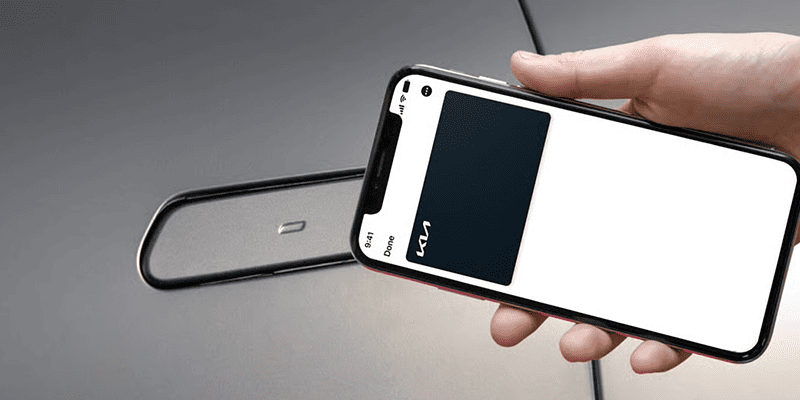
Kia Digital Key 2 is an advanced keyless entry and ignition technology that transforms a compatible smartphone or smartwatch into a full-function digital vehicle key. Operating through Ultra-Wideband (UWB) and Near Field Communication (NFC) microchips, it allows drivers to automatically unlock the doors, start the engine, and lock their vehicle without taking their phone out of a pocket or bag.

By embedding secure cryptographic keys into native digital wallet applications like Apple Wallet, Samsung Wallet, and Google Wallet, Kia Digital Key 2 removes the need to carry a physical key fob. Initial setup takes only a few minutes inside the vehicle. After enrolling in a Kia Connect account, drivers place their smartphone on the in-vehicle wireless charging tray while sitting inside the cabin with the vehicle in Park. Following the pairing prompts inside the Kia Access smartphone app, links the digital key directly to the vehicle's onboard security modules.

Once configured, your mobile device handles every primary function of a physical smart key. You can lock or unlock the doors, pop the rear liftgate, activate remote start, and drive away without fumbling through pockets or searching through a purse. For active coastal lifestyles in New Port Richey—whether heading out for a morning kayak trip along the Pithlachascotee River or taking a stroll at waterfront parks—leaving traditional key fobs behind eliminates the risk of losing physical keys or exposing delicate electronic fobs to water damage.

To see how seamless digital vehicle access can be in person, visit our showroom address at 5819 US Highway 19 or give our team (727) 242-9613 a call to speak with a vehicle specialist.


How Does Ultra-Wideband Proximity Unlocking Work and How Close Do You Need to Be?

Ultra-Wideband proximity unlocking works by measuring the precise time it takes for high-frequency radio pulses to travel between sensors hidden in your Kia and the UWB chip inside your mobile device. As you walk toward your vehicle, the onboard UWB sensors detect your registered phone or watch at a distance of approximately 3 to 6 feet, triggering exterior welcome lighting and automatically unlocking the door handles before you reach out to touch them.

This continuous spatial awareness creates a hands-free experience. Unlike older wireless signals that only calculate signal strength, UWB measures exact time-of-flight distances. This precise measurement prevents signal relay attacks, where thieves intercept remote fob signals to unlock vehicles illegally.

Kia vehicle technology includes two distinct digital key variations based on trim levels and hardware availability:

  • Digital Key 2: Utilizes Ultra-Wideband long-range spatial detection alongside Near Field Communication chips. It provides true hands-free proximity unlocking, welcome lighting activation, and push-button starting while your smartphone remains tucked inside a pocket, purse, or backpack.
  • Digital Key 2 Touch: Relies primarily on Near Field Communication short-range radio signals. To unlock the driver door, you briefly tap your smartphone or smartwatch against the driver-side door handle sensor. Once inside the vehicle, starting the engine requires placing the device directly onto the console's wireless charging pad.

Both system variations deliver elevated daily security and convenience over traditional metal blades or bulky fobs. If you are cross-shopping models across different model years, explore our pre-owned vehicle inventory to view available late-model vehicles equipped with smart access capabilities.

Which Smartphones and Smartwatches Are Compatible with Kia Digital Key 2?

Kia Digital Key 2 is compatible with modern iOS and Android mobile platforms equipped with standard UWB or NFC chips, including Apple iPhone (iPhone 11 models and newer), Apple Watch (Series 6 and newer), recent Samsung Galaxy S-series and Z-fold flagships, and Google Pixel devices.

Because digital keys live natively within your phone's digital wallet application, setup and security protocols match the high standards used for contactless mobile payment cards. Biometric authentication features—such as Apple Face ID, Touch ID, or Android fingerprint scanning—can be configured to authorize vehicle access, ensuring that lost devices cannot be used by unauthorized individuals.

Compatible device categories include:

  • Apple Devices: iPhone 11, 12, 13, 14, 15, 16, and newer runs; Apple Watch Series 6, 7, 8, 9, Ultra, and newer generations.
  • Samsung Galaxy Devices: Galaxy S21 Ultra/+, S22 Ultra/+, S23 series, S24 series, Z Fold3, Z Fold4, Z Fold5, and newer flagship models.
  • Google Pixel Devices: Pixel 6 Pro, Pixel 7 Pro, Pixel 8 Pro, Pixel 9 Pro, and subsequent UWB-enabled Android devices.
  • Smartwatch Ecosystems: Apple Watch models running current watchOS versions and select Wear OS devices paired with compatible Android smartphones.

Our sales team assists buyers with pairing mobile devices during vehicle delivery so you can test proximity features before driving home. You can also complete our online credit application ahead of time to streamline your purchase process at the dealership.

How Do You Share Kia Digital Key 2 Access and Restore Personal Driver Settings?

You can share Kia Digital Key 2 access with up to three authorized family members or friends by sending a secure key invitation directly through native messaging apps like Apple iMessage, Samsung Messages, or Google Wallet. The vehicle owner controls access privileges, deciding whether to send a permanent owner key, set timed temporary access, or restrict specific functionality.

When an authorized guest accepts the text invitation, the encrypted digital key automatically saves into their device's native wallet app. The primary owner retains full control from their smartphone app and can revoke shared key access at any moment with a single tap.

Beyond convenient vehicle entry, Kia Digital Key 2 links directly to onboard driver profile storage. When an authorized phone approaches and unlocks the driver door, the vehicle automatically restores individual preferences:

  • Seating & Side Mirror Memory: Power driver seat positioning, lumbar support, and exterior power side mirror angles automatically adjust to the recognized driver.
  • Climate Control & Comfort: Dual-zone automatic temperature, heated seat settings, and ventilated seat preferences tune to your saved climate profile.
  • Infotainment System Preferences: The digital gauge cluster layout, central touchscreen radio presets, paired Bluetooth devices, and navigation recents update immediately.
  • Safety & Assist Setup: Customized alerts for driver assistance systems—such as blind spot detection warning sensitivity and lane assist steering interventions—load to match the preferences of whoever is behind the wheel.

Our sales specialists see how much multi-driver households appreciate this automatic profile restoration. Spouses swapping vehicles during busy morning routines never have to spend time adjusting power seats, readjusting mirrors, or retuning audio stations.

Does Kia Digital Key 2 Require a Monthly Subscription Fee or Active Cellular Service?

The core vehicle access features of Kia Digital Key 2—including proximity door unlocking, door handle tapping, engine start, and tailgate opening—operate locally via direct radio frequency transmissions between your device and the vehicle. These primary keyless entry functions do not rely on cell phone towers or active internet connections, meaning they incur no monthly subscription fees.

Local radio frequency connections ensure that Digital Key 2 works flawlessly in remote areas, underground parking garages, or concrete valet structures where cellular reception drops completely. You can unlock your vehicle and start the engine in a dead zone just as reliably as you would in your home driveway.

Cellular connectivity through an active Kia Connect subscription plan is required only for initial device registration, sending remote digital key invitations to friends, or managing profile access settings from a remote distance. Once a digital key is downloaded and paired inside your mobile wallet, the encrypted security keys remain stored locally on your device's secure element hardware.

Because the physical keyless entry functions are built directly into the vehicle's onboard computer control modules, owners enjoy permanent access to their digital key hardware without worrying about hidden monthly utility costs over time.

Which New Kia Models and Trims Include Digital Key 2 Technology?

Kia equips Digital Key 2 across premium trims of its modern lineup, led by advanced electric vehicles and flagship family crossovers. Feature availability varies by trim level, so confirming specific standard equipment packages on the showroom floor ensures you get the keyless entry technology you expect.

Key Kia models featuring available Digital Key 2 include:

  • 2026 Kia EV9: The brand's premier three-row all-electric SUV features standard or available Digital Key 2 with Ultra-Wideband proximity detection across its model range. Trim options include:
  • Light: Starting at $54,900 MSRP with a single-motor Rear-wheel drive layout generating 215 hp and 258 lb-ft of torque, mated to an automatic 1-speed transmission.
  • Land AWD: Listed at 68,900MSRP(plus1,645 destination charge), offering a dual-motor All-wheel drive system producing 379 hp and 443 lb-ft of torque.
  • GT-Line AWD: Positioned at 71,900MSRP(plus1,645 destination charge), delivering a powerful All-wheel drive setup with 379 hp and 516 lb-ft of torque.
  • 2026 Kia Sorento: Select trims like the EX DCT (starting at $38,490 MSRP) feature standard power amenities and available digital key features. Powered by a responsive 2.5L turbocharged engine with a Sportmaticâ„¢ dual-clutch transmission, it delivers 281 hp and 311 lb-ft of torque, achieving an EPA-estimated 20 city / 29 hwy MPG.
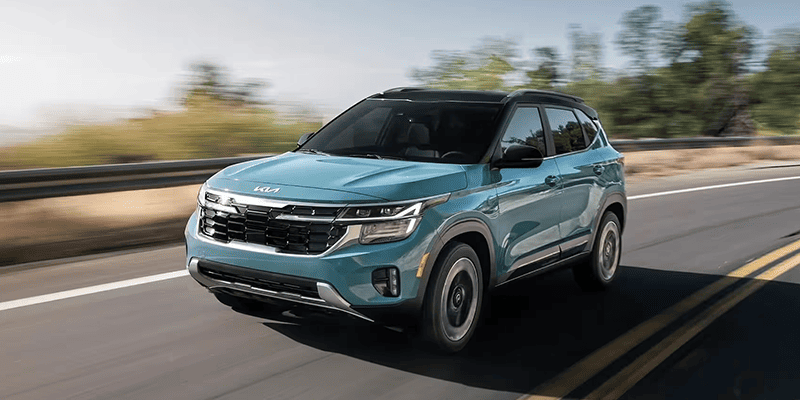
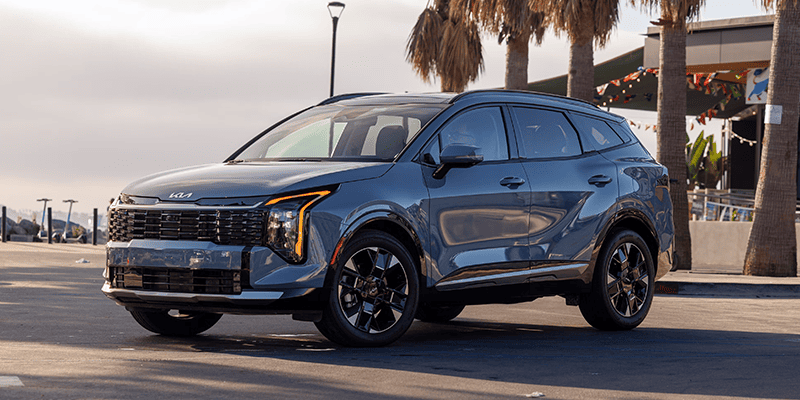
  • Kia Telluride: Select higher-tier trims feature UWB digital key access, giving large families seamless entry while loading gear for weekend road trips.
  • Kia Sportage: Available UWB-based Digital Key 2 technology appears on select upper trims, blending compact crossover versatility with high-tech mobile access.

For suburban commuters driving from Trinity down the Suncoast Parkway into Tampa, having a vehicle that unlocks as you walk up with your hands full of work bags or groceries makes every trip smoother. Explore our selection of new Kia vehicles to compare trim specifications and find a model equipped with Digital Key 2.


Common Questions About Kia Digital Key 2

Q: What happens to Kia Digital Key 2 if my smartphone battery dies?

Most modern smartphones reserve a small power reserve specifically for digital wallet chips even after the primary display shuts off due to a low battery. Devices supporting power-reserve modes allow NFC door handle tapping and engine start for several hours after the main screen shuts down. For peace of mind on long trips, keeping a physical smart key backed up in your bag is recommended.

Q: Can I revoke a shared digital key if someone loses their phone?

Yes, primary owners can revoke shared digital key permissions instantly using the Kia Access app on their own smartphone or through the Kia Connect web portal. Revoking access instantly invalidates the encrypted credential stored in the secondary user's wallet app, preventing unauthorized entry even if the lost device is found by someone else.

Q: Does Kia Digital Key 2 work when valet parking in parking garages without internet service?

Yes, Kia Digital Key 2 works offline in subterranean parking garages and concrete structures without cellular data. Direct radio communication between your phone and the car handles unlocking and ignition locally. Additionally, you can enable Valet Mode via the infotainment system touchscreen to lock out access to personal driver data and glove compartment storage while handing off access.

Q: How does Kia Digital Key 2 protect against signal relay theft?

Kia Digital Key 2 uses Ultra-Wideband time-of-flight distance measurement, which calculates the exact physical location of your smartphone based on how fast radio signals travel. Because relay devices cannot artificially speed up the signal return time, thieves using signal extenders cannot trick the vehicle into thinking a phone is nearby when it is actually indoors.

Q: Is Kia Digital Key 2 hardware covered by Kia’s warranty?

Yes, factory-installed digital key antenna modules, interior authentication pads, and electronic control units are covered under the bumper-to-bumper portion of Kia’s 10-year/100,000-mile warranty program package structure (5-year/60,000-mile limited basic coverage). Our certified technicians provide factory-trained diagnostics if you ever need help re-pairing your device or troubleshooting sensors.


Prices and MSRP referenced in this article are estimates for informational purposes only and do not constitute an offer to sell. See dealer for complete details. Fuel economy estimates shown may differ from official EPA ratings and should not be relied upon as a guarantee of actual vehicle performance.
Vehicle specification data © JATO Dynamics Limited.

Recommended Posts

How Heavy Rain Impacts Brake Performance in Florida post

How Heavy Rain Impacts Brake Performance in Florida

Heavy rain sharply reduces brake safety by creating a liquid barrier between tire rubber and asphalt while washing water into brake assemblies. Water temporarily lubricates the friction surface between brake pads and rotors, while standing water drastically increases hydroplaning risks and extends stopping distances by up to 50 percent on wet pavement. When a sudden downpour hits, water coats the brake rotors and friction pads. This thin layer of surface liquid delays initial pedal engagement because hydraulic pressure must first sweep water off the spinning rotor before full friction takes hold. On wet pavement, tires worn down to the U.S. legal minimum of 2/32 inch tread can require roughly 30 to 50 percent longer stopping distance than new tires. A vehicle that stops in about 150 feet on dry roads can easily require more than 200 feet during heavy rain when tread depth drops to wear bars. Modern driver-assist technology works in tandem with fundamental mechanical braking. Features like blind spot detection and lane assist provide driver awareness when visibility drops during tropical storms, helping drivers maintain lane alignment when traffic slows unexpectedly. However, driver aids cannot bypass physical limitations when water sits on rotor faces or roads. Checking brake component thickness and tire condition before wet weather arrives keeps your stopping power predictable. Drivers needing a comprehensive brake evaluation can visit our New Port Richey service center location or give our team a quick call to speak with a factory-trained technician. How Do Heat, Coastal Humidity, and Rain Combine to Wear Down Brakes in Florida? The combination of intense heat, high coastal humidity, and frequent summer rain creates a harsh environment that accelerates brake component corrosion and fluid breakdown. Sustained ambient warmth bakes rubber seals, coastal salt air corrodes metal caliper slides, and humid air introduces moisture into hygroscopic brake fluid reservoirs. High temperatures during peak summer months generate immense thermal friction during routine stopping. When a hot brake rotor encounters sudden rainwater, the immediate cooling effect creates severe thermal shock. Over time, these rapid temperature fluctuations cause microscopic surface fractures or rotor warping, which manifests as pedal pulsation during application. Coastal dampness further accelerates surface oxidation. Cast-iron rotors left sitting overnight after a rainstorm routinely develop flash rust on the disc face, causing brief scraping noises during the first few stops of the morning. Humidity plays an equally destructive role within the hydraulic system itself. Standard glycol-based brake fluid is hygroscopic, meaning it continuously absorbs airborne water vapor over time. In coastal regions where humidity remains elevated year-round, absorbed moisture accumulates inside brake lines and master cylinders. This moisture lowers the boiling point of the brake fluid significantly. Under heavy braking, wet fluid can boil prematurely, converting liquid into compressible steam pockets that result in a spongy pedal feel. Corrosion also targets mechanical hardware. Salt air and rain runoff enter caliper slide pins, anti-rattle clips, and parking brake cables. Without proper lubrication and protection, rusted caliper pins bind, causing brake pads to drag against the rotor continuously. Dragging pads build extreme heat, uneven pad wear, and reduced fuel efficiency. Replacing degraded hardware through our genuine Kia parts department ensures caliper assemblies float freely and pad surfaces contact rotors evenly. Why Does Standing Water on US-19 Cause Brake Fade, Sponginess, and Longer Stopping Distances? Standing water on high-speed roadways creates immediate hydroplaning risks while temporarily quenching brake rotor heat, coating friction surfaces in a water layer that delays pedal response. Deep puddles force water directly between friction materials, causing temporary wet brake fade and extending stopping distances significantly. Heavy rain on US-19 in New Port Richey often leads to localized pooling across multi-lane stretches. Driving through standing water at 45 to 55 miles per hour forces water into the tiny gaps between brake pads and rotor discs. Water acts as a temporary lubricant, lowering the friction coefficient until pad pressure and kinetic heat vaporize the liquid layer. Until that heat builds, drivers experience a brief delay in stopping power commonly referred to as wet brake fade. When drivers mention a spongy brake pedal after navigating heavy downpours, our service technicians examine the brake fluid for water absorption before inspecting pad thickness, as boiling moisture in contaminated fluid creates air pockets under hard pedal pressure. Deep puddles can also submerge wheel hubs briefly, exposing worn caliper boots or cracked brake lines to direct water intrusion. Safety guidelines emphasize maintaining tire tread depth to preserve wet stopping control. Independent testing reveals that passenger vehicles on tires worn down to 2/32 inch tread can take up to 87 feet longer to stop on wet roads compared to vehicles riding on 4/32 inch tread. While standard antilock braking systems ( ABS) modulate brake line pressure to prevent wheel lockup, no electronic safety system can restore traction if tire tread cannot channel standing water away from the road surface. What Warning Signs Show Your Brakes Are Unsafe for Wet Roads and Heavy Downpours? Critical warning signs that your brakes are unsafe for heavy rain include high-pitched squealing or grinding noises, a brake pedal that feels soft or sinks toward the floorboard, steering wheel vibration, and a noticeable pulling sensation to one side when stopping. Any delay in pedal bite during wet weather signals an urgent need for professional maintenance. Identifying braking issues early prevents minor component wear from turning into complete system failure during severe weather. Watch for these clear indicators: High-pitched squealing or harsh metallic grinding during pedal application, indicating worn pad friction linings or metal backing plate contact. A soft or spongy brake pedal that requires excessive travel or pump action to slow the vehicle, pointing to air or absorbed moisture inside hydraulic lines. Steering wheel shudder or pedal pulsation when braking from speed, caused by warped brake rotors or uneven pad material transfers. Vehicle pulling toward one side during hard stops, signaling a stuck caliper slide pin, uneven friction wear, or restricted hydraulic flow. Active dashboard warning indicators, such as the ABS light or main brake system warning light. Ignoring these warning signs increases stopping distances dramatically during sudden summer storms. Worn pads hold less heat, encouraging surface glazing when wet, while degraded brake fluid risks hydraulic vapor lock during emergency maneuvers. Regular multi-point checks ensure your vehicle maintains factory stopping specifications. Kia builds exceptional confidence into every vehicle on the road, backed by Kia’s 10-year/100,000-mile warranty powertrain protection. Keeping friction components, fluid quality, and tire tread within recommended margins guarantees your vehicle responds predictably when rain arrives. Frequently Asked Questions About Rain Driving and Brake Maintenance Q: How do you safely dry wet brakes while driving after going through a puddle? To dry wet brake pads and rotors after driving through standing water, apply light, steady pressure to the brake pedal for a few seconds while moving at a low speed in a clear lane. This gentle friction generates localized heat that quickly evaporates trapped surface moisture, restoring full pad friction and responsive pedal bite before you need to make an emergency stop. Q: How often should brake fluid be changed in high-humidity coastal areas? In high-humidity environments, brake fluid should be tested and flushed every two to three years or according to your owner manual schedule. Standard glycol brake fluid is hygroscopic and continually pulls water vapor from humid air. Moisture accumulation lowers the fluid boiling point and causes internal corrosion, leading to soft pedal response during hard stopping. Q: What is the recommended following distance when driving in heavy Florida downpours? Safety experts advise increasing your following distance to at least six seconds during heavy downpours. Rain-slicked asphalt reduces tire adhesion and wet brake pads require a fraction of a second to clear surface water, making extra space essential for avoiding sudden tailgating collisions when traffic slows down abruptly. Q: Can driving through deep street puddles cause permanent damage to brake rotors? Splashing through deep standing water with hot brakes can cause thermal shock, where rapid cooling warps the cast-iron metal. Thermal shock creates lateral runout in the rotor disc, which results in persistent steering wheel vibration, pedal pulsing, and uneven pad wear that requires rotor resurfacing or complete replacement. Q: How does tire tread depth directly affect brake performance during heavy rain? Tread grooves act as channels that pump water away from the contact patch where rubber meets asphalt. When tread wear drops below 4/32 inch, water cannot clear fast enough, forcing the tire to ride on a liquid film. Hydroplaning prevents braking force from transferring to the road surface, regardless of how hard pad friction clamps against the rotor. Prices and MSRP referenced in this article are estimates for informational purposes only and do not constitute an offer to sell. See dealer for complete details. Fuel economy estimates shown may differ from official EPA ratings and should not be relied upon as a guarantee of actual vehicle performance.
First-Time Car Buyer with Limited Credit? Here's What to Expect post

First-Time Car Buyer with Limited Credit? Here's What to Expect

First-time car buyers financing a vehicle with limited credit need verifiable gross monthly income that meets lender requirements, key documentation including pay stubs, proof of residence, a valid driver's license, and active auto insurance, alongside a recommended cash down payment of 10% to 20% to secure loan approval. When auto lenders review a financing request from an applicant with a thin credit file or short credit history, they evaluate the complete financial profile rather than relying solely on a credit score. Underwriters assess payment stability, job longevity, and established budget ratios to measure financial risk. Specifically, lenders analyze two critical metrics: Payment-to-income ratio: Most first-time buyer finance programs require the prospective monthly vehicle payment to fall between 12% and 20% of your gross monthly earnings. Debt-to-income ratio: Total monthly debt obligations—including rent, credit cards, student loans, and the anticipated car loan—should remain at or below 45% of your gross income. Preparing these financial details before shopping helps streamline the approval process. Demonstrating consistent income stability reassures underwriters that your monthly cash flow can comfortably support an auto payment. For drivers handling suburban driving around New Port Richey, establishing a practical monthly budget is the most effective first step toward purchasing a reliable vehicle. To discuss current financing criteria with our finance team, feel free to give us a quick call or stop by our convenient showroom address to review your options in person. What Documents and Credit Score Are Needed for Loan Approval? While there is no strict minimum credit score required to secure an auto loan, first-time buyers with limited credit or scores below 600 must present a complete documentation portfolio—including proof of income, proof of residence, driver's license verification, auto insurance, and personal references—to earn loan approval. Lenders working with limited-credit profiles require physical verification of your financial stability. Having these items organized in advance prevents delays during the underwriting review: Proof of income: Bring your most recent computer-generated pay stubs showing year-to-date earnings, or two years of tax returns if you are self-employed. Most programs require a minimum verifiable gross monthly income of $1,500 to $2,000. Proof of residence: Provide a recent utility bill (electric, water, or cable), landline phone bill, or formal lease agreement issued within the last 30 to 60 days matching the home address listed on your credit application. Driver's license & insurance: Present a valid, unexpired driver's license along with proof of full-coverage auto insurance naming the lender as the lienholder before taking vehicle delivery. Personal references: Prepare a list of 5 to 10 personal references, including full names, physical addresses, and current phone numbers, living at separate addresses. Borrowers with FICO scores in the mid-500s or those who have no established credit score at all can successfully secure auto financing when backed by verifiable employment and a clean recent payment record with no major delinquencies. Buyers can streamline their visit by submitting an online credit application to see where they stand, or begin exploring our pre-owned vehicle inventory to find models that fit their target payment range. How Much Down Payment Should You Save and What Interest Rates Can You Expect? First-time car buyers with low or limited credit should aim for a cash down payment of at least 10% on pre-owned vehicles or 20% on new models to reduce loan-to-value ratios and improve approval terms. Providing a meaningful cash down payment directly lowers the financial risk for the lender. On a $20,000 vehicle purchase, putting down $2,000 to $4,000 reduces the principal financed, which automatically lowers your monthly payment and decreases total interest accrued over the life of the loan. A solid down payment can also help offset initial depreciation, protecting you from carrying negative equity. Interest rates for first-time buyers with limited credit generally reflect subprime risk tiers. Depending on broader economic conditions, job stability, and down payment size, interest rates on new vehicles for limited-credit buyers typically range from 9% to 15%+, while pre-owned vehicle rates commonly sit between 12% and 21%. Choosing a standard 60-month loan term rather than stretching to 72 or 84 months helps keep your interest costs under control, even if the monthly payment is slightly higher. Long-term ownership value is another essential factor when building a budget. Choosing a vehicle with comprehensive long-term warranty coverage, such as Kia’s 10-year/100,000-mile warranty, shields buyers against unforeseen mechanical repair bills while establishing their credit history. Keeping up with routine vehicle maintenance is equally vital to protecting your investment, and owners can rely on scheduling routine maintenance online to keep their vehicle running smoothly. Is Dealership Financing or Bank Financing Better for First-Time Buyers? Dealership financing is generally superior for first-time buyers with limited credit because dealership finance and insurance (F&I) departments maintain direct relationships with broad networks of national banks, regional credit unions, and specialized finance programs tailored for new buyers. When you apply for a loan directly at a single bank or credit union, your application is evaluated against that single institution's strict underwriting rules. If your credit file is thin, a traditional bank may decline the loan or demand strict conditions. In contrast, dealership finance managers submit your application to multiple financial institutions simultaneously, allowing lenders to compete for your business and increasing your overall chances of approval. Working with an experienced F&I team offers several practical advantages for first-time shoppers: Access to specialized manufacturer finance programs designed specifically for first-time buyers with clean job histories. Ability to structure loan terms, down payments, and trade-in allowances dynamically to meet specific lender approval benchmarks. Full transparency regarding itemized vehicle pricing, state fees, and optional protection products before signing any contract. Maintaining long-term vehicle condition protects the resale value of your car throughout your loan term. Whether you choose to add protective accessories or maintain factory mechanical components, our team assists owners with ordering genuine OEM parts to ensure original factory fit and durability. How Do Co-Signers and Auto Loans Help Build Your Credit History? Adding a creditworthy co-signer reduces lender risk to secure lower interest rates and reduced down payment requirements, while consistent, on-time auto loan payments establish a strong installment credit history that elevates your credit score over time. A co-signer acts as a financial guarantor on the auto loan. Lenders evaluate the co-signer's established credit profile—ideally featuring FICO scores of 670 to 700+ alongside stable income—which mitigates the risk of a thin credit file. Utilizing a qualified co-signer often allows first-time buyers to qualify for lower interest rates, reduced down payment thresholds, and more flexible loan terms. An auto loan functions as a major installment credit account on your credit bureau reports. Unlike credit cards, which represent revolving credit, an installment loan demonstrates your ability to manage a fixed debt balance over a set timeframe. Making on-time monthly payments for 6 to 12 consecutive months builds positive payment history, which accounts for approximately 35% of your overall credit score calculation. Commuters taking the Suncoast Parkway from Trinity toward Tampa Bay often ask our finance specialists how soon they can refinance after establishing six months of flawless payment history on their first vehicle. After completing 6 to 12 months of consistent payments, buyers whose credit scores have improved significantly can evaluate refinancing options to secure lower interest rates and decrease monthly payments independently. Questions First-Time Car Buyers Ask About Auto Loans Q: What is the maximum debt-to-income ratio allowed for a first-time buyer auto loan? Most auto lenders look for a total debt-to-income (DTI) ratio at or below 45%, which includes housing costs, credit card minimums, student loans, and your estimated new car payment. Additionally, lenders cap your payment-to-income (PTI) ratio between 12% and 20% of your verifiable gross monthly income. Keeping total debt obligations within these boundaries demonstrates to underwriters that your monthly income can comfortably accommodate a regular vehicle payment. Q: Can I get approved for an auto loan if I am self-employed or have a non-traditional income? Self-employed first-time buyers can earn auto loan approval by providing alternative proof of income documentation. Lenders typically require two to three recent consecutive months of full bank statements showing regular business deposits, or your two most recent tax returns accompanied by 1099 or W-2 forms. Demonstrating consistent gross monthly deposits that meet or exceed the lender's minimum income threshold ($1,500 to $2,000) provides underwriters with the verification necessary to approve your loan file. Q: How does a larger down payment affect my monthly auto payment and interest rate? Providing a larger cash down payment lowers your loan-to-value ratio, reducing overall financial risk for the lending institution. Lower loan-to-value ratios help you qualify for competitive interest rates within your credit tier and automatically reduce your monthly payment by lowering the total principal borrowed. Every additional $1,000 applied toward your initial down payment decreases your overall financed amount and reduces accrued interest over the life of the loan. Q: How soon can a first-time car buyer refinance their auto loan to get a lower rate? First-time buyers can evaluate refinancing options after making 6 to 12 consecutive on-time monthly payments. This six-to-twelve-month payment history demonstrates reliable installment credit management and frequently boosts your credit score. If your score increases substantially or prevailing interest rates improve, refinancing through a bank or credit union can help you lock in a lower interest rate, adjust your loan term, or reduce your monthly payment. Q: What vehicle safety and tech features should first-time car buyers prioritize on a daily commute? First-time buyers seeking practical daily transportation should prioritize active safety technology and effortless smartphone connectivity. Features like blind spot detection and lane assist provide driver awareness during busy highway traffic, while Apple CarPlay or Android Auto integrated into an intuitive infotainment system keep navigation accessible. Selecting models known for high fuel efficiency or exploring modern hybrid options further protects your budget by lowering ongoing fuel expenses. Prices and MSRP referenced in this article are estimates for informational purposes only and do not constitute an offer to sell. See dealer for complete details. Fuel economy estimates shown may differ from official EPA ratings and should not be relied upon as a guarantee of actual vehicle performance.

How to Protect Your Vehicle from Florida's Extreme Summer Heat post

How to Protect Your Vehicle from Florida's Extreme Summer Heat

Protecting your vehicle from Florida's extreme summer heat requires a combination of physical solar barriers, routine thermal fluid checks, and regular interior surface conditioning. Parking under physical cover or deploying custom-fit reflective sunshades prevents internal cabin temperatures from climbing past 140°F, preserving dashboard materials and clear-coat finishes. Combined with monthly tire pressure adjustments, proactive battery testing after three years of ownership, and routine air conditioning service, these steps prevent premature heat-induced chemical breakdown across critical vehicle systems. High ambient temperatures in coastal environments place continuous thermal stress on modern vehicles. When ultraviolet radiation penetrates plain glass, cabin air traps radiant heat, causing surface temperatures on leather seating and plastic dash panels to spike dramatically within minutes. Outdoor parking without solar defense leads to dried-out vinyl, oxidized paint clear coats, and degraded rubber weatherstripping. Protecting an investment requires addressing both physical solar exposure on exterior surfaces and invisible thermal strain on mechanical components. Establishing an effective seasonal vehicle care routine minimizes unexpected mechanical downtime during peak summer months. Beyond interior preservation, excessive under-hood heat accelerates engine oil oxidation, evaporates battery electrolyte fluid, and increases tire pressure beyond standard operational thresholds. Drivers can reach our service center in New Port Richey or give our team a quick call at (888) 604-4352 to inspect thermal protection components before summer conditions peak. Why Is Shaded Parking the Most Critical Defense Against Sun Damage? Shaded parking serves as the primary barrier against automotive sun damage by stopping direct ultraviolet rays and radiant heat energy before they strike interior and exterior surfaces. Solid overhead cover prevents paint oxidation and keeps cabin temperatures from reaching destructive extremes that break down trim adhesives and synthetic materials. On a typical 80°F summer afternoon, internal cabin temperatures rise to nearly 100°F within 10 minutes and exceed 120°F within an hour. In open parking lots where ambient temperatures reach much higher levels, dark interior panels soak up solar energy until surface temperatures exceed 150°F. Parking inside a garage, under a solid carport, or in dense shade eliminates direct solar loading, slowing down the rate at which plastics lose essential plasticizers. When covered garage space is unavailable, secondary physical barriers cushion the impact of intense sun exposure. Premium custom-fit car covers constructed from breathable, UV-reflective fabrics safeguard exterior clear coats from sun fading while shielding body panels from airborne contaminants. For custom exterior protection and replacement trim components, drivers can order genuine factory parts through our dedicated parts department. Combining physical shade habits with secondary interior barriers keeps cabin components operational throughout years of suburban coastal driving. Primary Overhead Defense: Garages, carports, and covered structures block 100 percent of direct UV radiation. Surface Temperature Reduction: Shaded parking keeps dash and seat materials up to 40°F cooler than unshaded surfaces. Clear Coat Preservation: Blocking direct solar radiation prevents paint chalking, clear coat peeling, and color fading. Secondary Barrier Support: Custom exterior covers shield vehicle paint when permanent structure shading is unavailable. How Does Extreme Heat Affect Car Batteries, Tires, and Air Conditioning Systems? Extreme summer heat degrades automotive performance by accelerating chemical breakdown inside 12-volt batteries, increasing internal tire pressures, and overloading air conditioning compressors. Sustained high ambient temperatures evaporate internal battery fluids and cause internal grid corrosion, making heat a primary cause of summer battery failure. Vehicle batteries operating in hot climates undergo intense internal chemical strain. Industry battery testing data indicates that battery fluid loss accelerates significantly when ambient temperatures surge, often cutting standard battery service lifespans down to two or three years. Proactive battery load testing during routine oil change appointments identifies weak cell output before a sudden starting failure occurs on a hot afternoon. Pavement temperatures frequently exceed 140°F during peak afternoon hours. Ambient heat causes tire inflation pressure to rise by approximately 1 psi for every 10°F increase in temperature. Running on underinflated tires across hot asphalt creates excessive flexing and internal friction, dramatically increasing the risk of high-speed sidewall blowouts. Checking tire pressures when tires are cold and maintaining factory recommended door-jamb specifications protects tire carcass integrity. Air conditioning systems also operate under maximum load during summer months. Dust, pollen, and humidity restrict airflow through cabin air filters and external condenser fins, forcing the AC compressor to work harder to cool the cabin. To maintain peak cooling efficiency, vehicle owners can easily schedule a routine service appointment online for a comprehensive climate control inspection, cabin air filter replacement, and system refrigerant pressure test. What Window Tint Ratings and Solar Rejection Films Protect Your Cabin Best? Selecting window tint based on Total Solar Energy Rejection ratings provides the maximum reduction of cabin heat and ultraviolet light radiation. High-performance ceramic window films block up to 99 percent of harmful UV rays and reject a substantial percentage of infrared radiation without interfering with electronic device signals. Evaluating window film performance requires looking beyond visible light transmission levels. Total Solar Energy Rejection measures the combined percentage of ultraviolet radiation, visible light, and solar heat energy deflected away from the vehicle interior. While basic dyed films alter window appearance, advanced ceramic films utilize non-conductive microscopic ceramic particles to absorb and scatter solar thermal energy before it penetrates interior glass. Installing quality solar film preserves interior electronics, digital instrument clusters, and infotainment screens that suffer under heat stress. Excessive heat cycles weaken display solder joints and cloud touch-screen displays over time. Applying ceramic tint across side and rear glass surfaces reduces overall solar load, allowing interior auto-climate features in models like the Kia Telluride or Kia Sportage to achieve set cabin temperatures faster while reducing engine workload. Are Dashboard Covers and Leather Care Routines Effective Against Cracking? Molded and fabric dashboard covers effectively prevent dashboard cracking by blocking direct ultraviolet light and lowering surface temperatures on instrument panels. Dash covers act as a thermal buffer that stops vinyl, soft-touch plastics, and structural resins from losing essential flexibility over time. Prolonged UV exposure and extreme thermal expansion strip moisture from synthetic dashboard materials. As volatile plasticizers evaporate, dash materials become brittle, shrink, and eventually split along stress lines near defrost vents. A tailored dash cover eliminates direct sun exposure across horizontal surfaces, maintaining surface integrity and reducing harsh windshield glare during low-angle morning drives. Preserving leather seating materials requires a disciplined, multi-step maintenance routine designed to replenish natural oils lost to high humidity and heat: Surface Vacuuming: Remove abrasive sand and loose grit from seat seams using a soft brush attachment. Dedicated Cleaning: Wipe down seating surfaces with a pH-neutral leather cleaner to open material pores. Deep Conditioning: Apply a high-grade leather conditioner containing specialized UV inhibitors every two to three months. Protective Wipe-Down: Buff excess product off with a clean microfiber towel to leave a non-greasy, matte protective barrier. Regular application of leather conditioners keeps natural hide and synthetic SynTex seating soft, preventing surface drying, discoloration, and seam splitting. For vehicles like the Kia Sorento, combining routine upholstery conditioning with custom dash protection maintains long-term cabin comfort and resale value throughout years of daily commuting to Tampa. Frequently Asked Summer Vehicle Care Questions Q: Are dashboard covers effective at preventing interior dashboard cracking? Yes, dashboard covers block direct UV rays and lower surface heat on the instrument panel, preventing vinyl and soft-touch plastics from drying out, shrinking, and cracking. By absorbing radiant solar energy, dash covers preserve internal plasticizers and keep factory dashboards intact throughout years of high heat exposure. Q: How often should I test my car battery during Florida's summer months? Vehicle owners should have their battery load-tested twice a year once the unit passes three years of active service. Extreme heat accelerates internal plate corrosion and fluid evaporation, often causing sudden battery failure without prior warning during peak summer months. Q: How does paint protection film shield paint from summer sun damage? Paint protection film acts as a clear physical barrier that absorbs high-impact gravel strikes while blocking harmful ultraviolet radiation. Applied across high-exposure areas like the hood, front bumper, and side mirrors, paint protection film stops clear-coat oxidation, bug splat etching, and sun fading. Q: Why does tire pressure fluctuate so dramatically during hot summer weather? Tire pressure increases by roughly 1 psi for every 10°F rise in ambient temperature due to air expansion inside the tire. Hot asphalt reaching over 140°F further elevates internal pressures, making monthly cold tire pressure checks essential for maintaining proper tread wear and preventing sudden blowouts. Q: What emergency assistance benefits cover heat-related breakdowns? Kia owners benefit from emergency roadside assistance plans backed by warranty coverage. Program benefits include flat tire changes, battery jump-starts, and towing to authorized service centers. Drivers requiring roadside dispatch can reach Kia Roadside Assistance at 1-800-333-4542 for immediate, manufacturer-backed support. Prices and MSRP referenced in this article are estimates for informational purposes only and do not constitute an offer to sell. See dealer for complete details. Fuel economy estimates shown may differ from official EPA ratings and should not be relied upon as a guarantee of actual vehicle performance.