

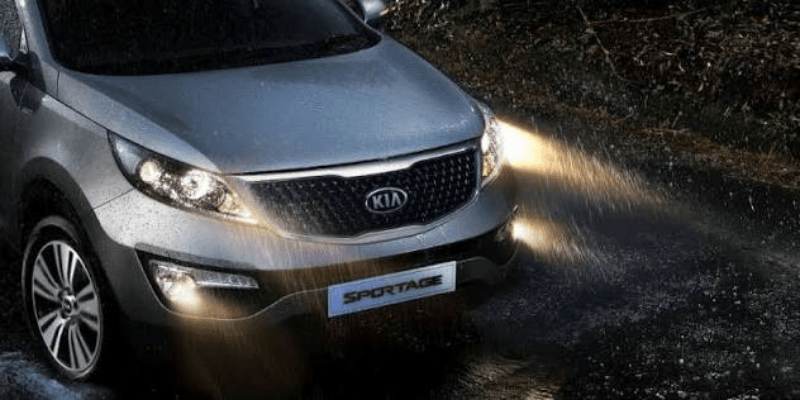
Preparing your 2026 Kia for hurricane season requires topping off all essential engine fluids, maintaining at least a half tank of fuel or a fully charged EV battery, verifying 12-volt battery health, inspecting tire tread depth and cold inflation pressure, installing fresh wiper blades, and stowing a dedicated emergency kit. Completing these service checks before storm warnings are issued prevents sudden breakdowns during slow evacuation traffic and heavy tropical downpours.
Living on the low-elevation coastal plain in New Port Richey near the Anclote River means tropical systems bring immediate risks of severe wind, localized street flooding, and sudden power outages. When storm advisories are issued, highways quickly fill with stop-and-go traffic. Vehicles operating under these conditions experience heavy mechanical stress, as long idling times elevate underhood temperatures while air conditioning units, windshield wipers, and headlights draw continuous power from the electrical system.
A proactive approach to vehicle maintenance ensures your car remains reliable when you need it most. Our factory-trained technicians at 5819 US Highway, New Port Richey, FL 34652 specialize in storm-readiness checks, evaluating vital components to ensure your vehicle is capable of handling harsh coastal weather. To set up an inspection before severe weather arrives, find our service center location on US Highway 19 or give our team a quick call to speak with a service advisor.
What Pre-Storm Maintenance Items Should You Check on Your Kia Before a Hurricane?
A pre-storm maintenance check for your Kia should focus on 12-volt battery health, cooling system integrity, brake response, tire tread depth, windshield wiper condition, and fluid levels. Inspecting these core mechanical systems before tropical weather hits ensures your vehicle can endure prolonged idling in extreme heat and heavy highway rain without overheating or losing traction.
Florida heat causes cumulative, unseen damage to 12-volt car batteries, accelerating internal corrosion and evaporating electrolyte fluid. While a weakened battery might start an engine under mild morning conditions, the high electrical load of an evacuation—running the air conditioning on high, operating wipers continuously, and charging multiple mobile devices—can rapidly exhaust a marginal battery. Testing the battery with a professional conductance tester measures cold cranking amps and reserve capacity, revealing whether a replacement is necessary before you end up stranded in severe weather.
When drivers bring their vehicles into our service bays before storm season, they most often ask us to load-test their 12-volt battery and replace their wiper blades before checking anything under the hood. Beyond electrical health, evaluating the cooling system is critical. Extended idling during traffic delays relies entirely on electric radiator fans and healthy engine coolant to prevent overheating. Technicians check coolant concentration, inspect radiator hoses for soft spots or leaks, and verify fan engagement.
Tire care is equally essential for wet-weather driving safety. A minimum tread depth of 4/32 inches is recommended to clear standing water and prevent hydroplaning on slick asphalt. Setting cold tire pressures to the manufacturer specifications listed on the driver-side door jamb supports stability under heavy cargo loads, and inspecting the spare tire ensures you have a viable backup option if road debris causes a flat.
To get your vehicle ready for peak storm activity, you can easily schedule a hurricane readiness inspection with our service department or order genuine Kia replacement parts such as high-performance wiper blades and heavy-duty batteries directly from our team.
How Does Kia Vehicle-to-Load (V2L) Technology Provide Power During Hurricane Outages?
Kia Vehicle-to-Load (V2L) technology converts high-voltage direct current from an electric vehicle’s primary battery pack into standard 120-volt alternating current, supplying up to 1.9 kW of usable power through interior outlets and exterior charging port adapters. During storm-induced power outages, V2L transforms electric models like the Kia EV6 and 2026 Kia EV9 into mobile energy stations capable of running household appliances, medical equipment, electronics, and emergency lighting.
The V2L system functions as an onboard power generator without the noise, exhaust fumes, or fueling requirements of traditional gas-powered generators. Operating the system involves plugging an exterior V2L connector into the vehicle charge port or utilizing the 120-volt power outlet located inside the rear cabin. With a maximum output of 1.9 kW (15 amps), the system cleanly powers essential devices such as:
- Full-size energetic power draws like a 150-watt portable refrigerator or freezer
- Essential medical devices including CPAP machines and oxygen concentrators
- Home connectivity tools like Wi-Fi routers, laptops, and mobile device charging stations
- Low-draw household appliances including microwave ovens, coffee makers, and LED floor lamps
To manage overall vehicle energy, Kia allows drivers to set a maximum discharge limit using the central infotainment touchscreen. By establishing a cutoff threshold—such as 20% battery state-of-charge—the vehicle automatically discontinues V2L power export before draining the high-voltage battery below the reserve level required for driving. Models fitted with the available 99.8 kWh battery pack can sustain essential home electronics for three to five days during extended power outages while retaining sufficient driving range for local travel.
What Essential Items Should Be in Your Kia Hurricane Emergency Kit for Florida Evacuations?
A comprehensive Kia hurricane emergency kit for Florida evacuations should contain at least one gallon of drinking water per person per day for three days, non-perishable food, a first-aid kit, flashlights with extra batteries, portable phone power banks, rain gear, a multi-tool, jumper cables, and a portable tire inflator. Packing these supplies securely in your vehicle ensures your family remains safe, hydrated, and self-sufficient if traffic delays extend your evacuation time.
Organizing emergency supplies into durable, waterproof storage bins keeps gear accessible without cluttering passenger space. A practical vehicle storm kit should be divided into core functional categories:
- Hydration and Nutrition: Pack bottled water, electrolyte tablets, and high-protein non-perishable snacks like nut mix, energy bars, and canned goods with pop-top lids.
- Illumination and Power: Store LED headlamps, heavy-duty flashlights, rechargeable lanterns, extra batteries, and pre-charged 20,000 mAh USB power banks with compatible phone charging cables.
- Vehicle Maintenance and Recovery: Keep a 12-volt portable air compressor, a digital tire pressure gauge, heavy-duty jumper cables or a lithium-ion jump-start pack, a tire repair kit, and a bottle of windshield washer fluid.
- Safety and First Aid: Include gauze bandages, antiseptic wipes, prescription medications for at least seven days, protective work gloves, emergency foil blankets, and rain ponchos.
- Navigation Backups: Stash printed road maps of Florida and written contact numbers for emergency services and insurance providers in case cell towers lose power or signal.
Kia vehicles provide versatile cargo layouts that easily accommodate complete emergency kits. SUV models like the 2026 Kia Sorento offer flexible storage options, providing about 13 cubic feet of space behind the third row and roughly 38 cubic feet when the rear seats are folded. Larger crossovers like the 2026 Kia Sportage provide about 40 cubic feet of dedicated rear cargo volume, allowing families to load emergency bins, luggage, and pet supplies while keeping passenger seats clear for a comfortable ride.
How Can You Protect Your Kia Vehicle from Saltwater Intrusion and Storm Surge Flood Damage?
Protecting your Kia from saltwater intrusion and storm surge flood damage requires parking on elevated ground outside designated flood zones, positioning the vehicle clear of trees and power lines, and avoiding standing water on roadways. Saltwater is extremely corrosive, causing rapid destruction of electrical wiring, wheel bearings, brake assemblies, and lower body components if it enters engine bays or passenger cabins.
In master-planned inland communities like Trinity, elevated residential driveways and multi-story parking structures offer safe refuge away from coastal surge zones and overflowing drainage canals. When preparing your vehicle before a storm hits, observe these key flood protection guidelines:
- Elevate Your Parking Position: Park on the highest available ground, facing the vehicle away from prevailing wind directions to minimize water intrusion into front air intakes.
- Avoid Tree Canopies: Keep your vehicle parked clear of large oak branches, pine trees, and unanchored structures that could collapse under hurricane-force winds.
- Disconnect Electric Charging Equipment: If you own an electric or plug-in hybrid Kia, unplug the charging cable from both the wall outlet and the vehicle port before the storm arrives to protect onboard circuits from power surges and water immersion.
- Never Drive Through Standing Water: Florida hurricane guidance stresses that as little as 6 inches of water can cause drivers to lose control, while 12 inches of water can float small vehicles. Floodwaters often conceal washed-out pavement, heavy debris, and downed high-voltage power lines.
If severe weather threatens to overflow your parking area, move your vehicle to higher ground early. Once storm surge or heavy rainwater begins rising, attempting to relocate a vehicle poses significant personal danger.
Which Emergency Safety Technology and Kia Connect Features Support Storm Evacuations?
Emergency safety technology and Kia Connect telematics support storm evacuations by offering real-time cloud navigation with live traffic re-routing, automated collision updates, emergency SOS calling, and remote vehicle access via smartphone. These integrated tools help drivers navigate around highway gridlock, stay informed during severe weather alerts, and maintain a direct link to assistance.
When evacuating under stressful conditions, onboard driver-assist systems work together to reduce driver fatigue and maintain vehicle control:
- Cloud-Based Navigation: Kia Connect utilizes real-time traffic data to calculate alternate evacuation routes, helping you bypass congested primary highways.
- Emergency Assistance SOS: A dedicated overhead console button links directly to emergency call centers for immediate roadside dispatch during vehicle breakdowns.
- Automatic Collision Notification: If an impact occurs and airbags deploy, the system automatically transmits vehicle location and diagnostic data to emergency responders.
- Advanced Driver Assistance: Features like Highway Driving Assist 2, Blind-Spot Detection Technology, and Rear Cross-Traffic Collision-Avoidance Assist monitor surrounding traffic, making lane changes and prolonged highway driving safer in heavy rain.
- All-Weather Traction Control: Drive Mode Select paired with Dynamax All-Wheel Drive intelligently balances engine torque between front and rear axles. Electronic Stability Control and Traction Control make real-time adjustments to prevent wheel slip on slick pavement and through standing water.
Remote features accessible through the Kia Connect smartphone app allow owners to check fuel levels or battery state-of-charge, verify door lock status, and set cabin temperatures ahead of time, ensuring the vehicle is ready to go as soon as evacuation orders are given.
What Steps Should You Take if Your Kia Is Flooded or Damaged During a Severe Storm?
If your Kia is flooded or sustains severe storm damage, do not attempt to start the engine or turn on the ignition switch. Cranking an engine that has ingested water can cause permanent mechanical destruction from hydro-lock, while turning on the electrical system in a flooded vehicle can ignite electrical shorts or damage sensitive electronic control units.
Follow a structured recovery process to protect your personal safety and your insurance claim:
- Keep the Ignition Off: Leave the vehicle powered down completely. This precaution is vital for gasoline, hybrid, and electric models, as submerged electrical components carry high risks of short-circuiting.
- Document the Damage: Take clear, high-resolution photographs and videos of the vehicle before moving it. Capture the exterior waterlines, interior carpet condition, trunk area, and any impact damage from falling debris.
- Notify Your Insurance Provider: File a claim with your insurance company promptly. Comprehensive coverage typically handles storm-related hazards, including falling tree limbs, wind damage, hail, and flood immersion.
- Arrange Professional Flatbed Towing: Have the vehicle transported directly to an authorized service facility using a flatbed tow truck. Avoid flat-towing a damaged or flooded vehicle on its own wheels.
Our certified technical team is fully equipped to evaluate storm-damaged vehicles, perform thorough diagnostic checks, and work directly with insurance adjusters to carry out necessary repairs. If your vehicle requires post-storm inspection or service, visit our local New Port Richey service department or reach out to our service team at (888) 604-4352 for guidance.
Common Questions About Preparing Your Kia for Hurricane Season
Q: When should I fill up my gas tank or charge my Kia battery before a storm?
You should top off your fuel tank or charge your EV battery to 100% as soon as a storm enters the local forecast cone rather than waiting for an official evacuation order. Fuel stations frequently run out of gas or experience long lines once evacuations begin, and power grid failures can make EV charging unavailable right before a storm hits. Keeping your tank at least half full throughout hurricane season ensures you are always ready to move.
Q: How long can Kia V2L technology power essential household devices during an outage?
A Kia electric vehicle equipped with a 99.8 kWh battery pack can power basic household emergency needs—such as a 150-watt portable refrigerator, LED lighting, and mobile devices—for three to five days depending on total power draw. You can set a discharge limit on the vehicle touchscreen to shut off power export before the battery drops below your desired driving reserve.
Q: Why is a 12-volt battery test necessary if my Kia starts normally every day?
Subtropical heat degrades 12-volt battery cells over time without showing obvious warning signs during light daily commutes. During a hurricane evacuation, however, heavy electrical demands from continuous air conditioning, windshield wipers, exterior lighting, and phone charging place severe stress on the battery. A pre-storm load test verifies reserve capacity so you don’t face a dead battery in stop-and-go evacuation traffic.
Q: What should I do if my Kia was submerged in saltwater during a storm surge?
Do not attempt to start the engine, switch on the ignition, or connect any battery chargers. Saltwater causes rapid, destructive corrosion on electrical wiring, module connectors, and mechanical assemblies, creating severe short-circuit and fire risks. Contact your insurance provider immediately and arrange for flatbed towing to an authorized service center for inspection.
Q: Does the Kia 10-year/100,000-mile warranty cover flood or hurricane damage?
The 10-year/100,000-mile limited powertrain warranty covers manufacturing defects and mechanical component failures under normal operating conditions, but it does not cover environmental or flood damage resulting from natural disasters. Physical storm damage and water submersion are typically handled through your comprehensive auto insurance coverage.
Connect with us


- August 2026
- July 2026
- June 2026
- May 2026
- April 2026
- March 2026
- February 2026
- January 2026
- December 2025
- November 2025
- October 2025
- September 2025
- August 2025
- July 2025
- June 2025
- May 2025
- April 2025
- March 2025
- February 2025
- January 2025
- December 2024
- November 2024
- October 2024
- September 2024
- August 2024
- June 2024
- December 2023
- May 2023
Archives
- Credit
- Informational
- Ken Ganley Kia New Port Richey Service
- Kia Carnival
- Kia Carnival MPV
- Kia EV6
- Kia EV9
- Kia Forte
- Kia K4
- Kia Niro Hybrid
- Kia Seltos
- Kia Sorento
- Kia Soul
- Kia Sportage
- Kia Telluride
- New Port Richey Kia Dealer
- New Port Richey Kia Service
- New Port Richey New Cars
- New Port Richey Used Cars
- New Specials
- Trim Levels
- Uncategorized
Categories
 Warranties include 10-year/100,000-mile powertrain and 5-year/60,000-mile basic. All warranties and roadside assistance are limited. See retailer for warranty details.