

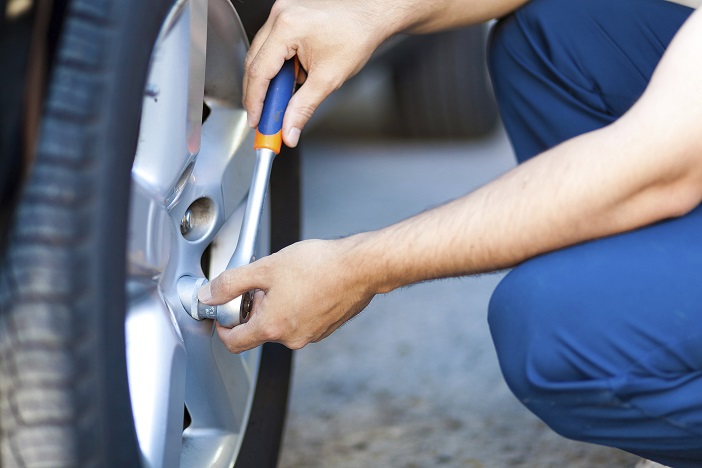
Did you know there are several types of tires that have different functions? Traveling in the New Port Richey area can be easier with the right components. But what if you’re going to regions that bring different challenges? Don’t worry — our Ken Ganley Kia New Port Richey team has the answers you’re looking for in this guide. Let’s continue reading to find out more.

Winter Tires
The lowest average temperature in New Port Richey, FL, is around 50 degrees. Therefore, it’s less likely you’ll need winter tires for this city, but drivers who plan on going on vacations to states like northern Virginia, New York, or New Jersey should consider these modules. Driving to states known for their cold climate may put you in the path of snowy and icy precipitation. The design of winter rubber components has deeper grooves and durable treads to tackle the terrain during challenging weather conditions. While it may seem like these units are useful while traveling on streets like Montana Avenue, they’re actually detrimental to some roads and cause damage to the paths. Plus, these parts make a lot of noise when they’re on routes during normal conditions.
Summer Tires
Around late spring and summer, the weather outside becomes much warmer, and the roads will present different trials while you’re on a journey to destinations like Sims Park. Therefore, it may be helpful to install summer tires. These parts are made to battle against the sweltering heat and even help reduce hydroplaning when streets are slick from rain. The structure of the summer components is much wider than the winter and all-season counterparts. Plus, the units are built with softer rubber and tread that’s much larger than standard tires. It’s not safe for your vehicle to leave them on as it gets colder. Not only does it risk degradation of the modules, but problems could arise with how the car drives. If you need a second opinion, visit our Service Department right away.
All-Season Tires
The most common and versatile choice is all-season tires. These components are standard across the automotive industry and have proven to be useful in every month of the year. Combined with the right drivetrain, your vehicle can easily trample obstacles on the road. Thanks to the balanced groove depth and tread thickness, these parts can last for years if properly maintained. However, they have many issues during extreme circumstances. While these units can handle slippery streets during a frigid trip in the northern states, they’re not as effective as winter tires. As units become worn down, you could face a decrease in traveling quality. Although tire rotation would be helpful, you’ll eventually need to have them switched out for new parts or something different entirely. For a full breakdown of what’s required, schedule an appointment online to get assistance the moment you arrive at our location.
Winter Tire Benefits
Summer Tire Advantages
All-Season Tire Assets
- Thicker tread
- Deep grooves
- Durable against extremely cold temperatures
- Softer tread
- Wider structure
- Hydroplane resistant
- Capable of resisting high and low climates
- Tread last longer than other types
- Compatible with most drivetrains
Connect with us


- 2025 Kia K4
- FAQ
- Fuel Efficient Kia
- Informational
- Ken Ganley Kia New Port Richey Service
- Kia Carnival
- Kia Carnival MPV
- Kia EV6
- Kia EV9
- Kia Forte
- Kia K4
- Kia K5
- Kia Niro
- Kia Niro Hybrid
- Kia Niro Plug-In Hybrid
- Kia Seltos
- Kia Sorento
- Kia Sorento Plug-in Hybrid
- Kia Soul
- Kia Sportage
- Kia Telluride
- New Port Richey Kia Dealer
- New Port Richey Kia Service
- New Port Richey New Cars
- New Port Richey Used Cars
- New Specials
- Trim Levels
- Uncategorized
Categories
 Warranties include 10-year/100,000-mile powertrain and 5-year/60,000-mile basic. All warranties and roadside assistance are limited. See retailer for warranty details.